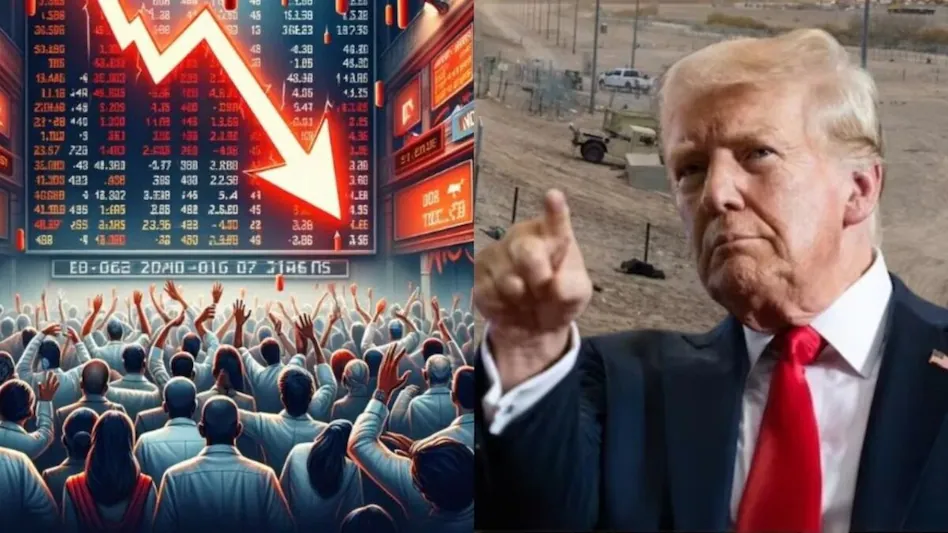
Introduction The global financial markets are facing renewed volatility as the Trump administration announced broader-than-expected reciprocal tariffs. This latest move...
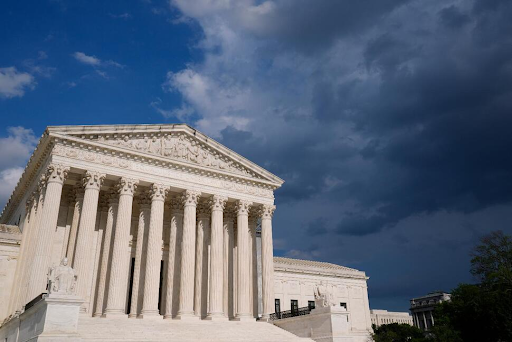
In a significant turn of events, the U.S. Supreme Court has declined to hear an appeal from notorious former pharmaceutical executive Martin Shkreli, widely known as “Pharma Bro.” This decision leaves intact the previous ruling that found Shkreli guilty of securities fraud, effectively ending any hopes he had of overturning his conviction. Shkreli, who rose to infamy after inflating the price of a life-saving drug, has long been a polarizing figure. The Supreme Court’s rejection marks the culmination of years of legal battles that have kept the public’s attention fixed on Shkreli and his controversial actions.
Shkreli’s attempt to have his case heard by the highest court in the country was seen as a last-ditch effort to escape the consequences of his past behavior. In 2017, he was convicted of two counts of securities fraud and one count of conspiracy to commit securities fraud, related to his management of hedge funds and pharmaceutical companies. Shkreli was sentenced to seven years in prison, but he has maintained his innocence throughout.
The Supreme Court’s decision to deny his appeal isn’t entirely surprising, as the Court typically hears only a small percentage of the cases brought before it. In this instance, the justices declined to offer any commentary on why they chose not to review Shkreli’s case, which is a standard practice. However, their silence still speaks volumes, affirming the lower court’s ruling and closing the door on Shkreli’s legal maneuvering.
Martin Shkreli became infamous in 2015 after his company, Turing Pharmaceuticals, acquired the rights to the drug Daraprim and raised its price by more than 5,000% overnight. The medication, used primarily to treat infections in people with weakened immune systems, including those with HIV, went from $13.50 per pill to $750. The public backlash was swift and harsh, with Shkreli becoming a symbol of corporate greed and ethical disregard within the pharmaceutical industry.
While his conviction for securities fraud was unrelated to the Daraprim controversy, the outrage surrounding his price hike made him a household name, and he quickly became a lightning rod for criticism. The “Pharma Bro” persona, characterized by his smug and often combative public demeanor, didn’t help his case in the court of public opinion. Even after his conviction, Shkreli continued to taunt critics from prison, demonstrating little remorse for his actions.
Despite widespread attention on his actions as CEO of Turing Pharmaceuticals, Shkreli’s criminal conviction stemmed from unrelated activities in his hedge fund management. Prosecutors alleged that he had defrauded investors by lying about the performance of two hedge funds he managed—MSMB Capital and MSMB Healthcare. Additionally, he was accused of using funds from his pharmaceutical company Retrophin to pay back investors he had deceived in those hedge funds. In 2017, a jury found Shkreli guilty on several counts, leading to his eventual imprisonment.
His defense attorneys argued that none of his investors had actually lost money in the long run, and that they had received returns higher than they initially invested. However, the jury found that the means by which Shkreli operated his financial schemes—lying to investors and misappropriating funds—constituted securities fraud.
The Supreme Court’s refusal to hear Shkreli’s appeal not only upholds his fraud conviction but also sends a strong message about accountability within the financial and pharmaceutical sectors. By refusing to entertain his legal challenges, the court has effectively endorsed the original conviction, reinforcing the notion that fraudulent behavior will not be tolerated, regardless of one’s public profile or wealth.
Moreover, the decision also signals a closing chapter in the Martin Shkreli saga, at least from a legal standpoint. His imprisonment will continue, and his legal options have now been exhausted. For many who have followed the case, this represents a form of justice being served, especially considering the immense public outrage he sparked with his actions in the pharmaceutical industry.
The public’s reaction to the Supreme Court’s decision has been largely one of approval. Shkreli’s notorious behavior and his unapologetic attitude left many feeling that he symbolized the worst aspects of corporate greed and financial misconduct. The price-gouging of Daraprim, though technically not the basis for his criminal conviction, remains fresh in the minds of many, and the Court’s decision not to hear his appeal feels like an affirmation of accountability.
Critics of Shkreli believe that his downfall was inevitable, given the scale of his misconduct and the cavalier way in which he treated the law. Many see his inability to get his case heard by the Supreme Court as a fitting end to a chapter of modern corporate malfeasance. Others, however, worry that Shkreli’s case is emblematic of a broader problem within the pharmaceutical industry, where the unchecked power of executives can have real-world consequences for vulnerable patients.
One question that lingers on the minds of many following the Supreme Court’s ruling is whether the outrageous price hike Shkreli imposed on Daraprim will ever be reversed. Since his conviction, Shkreli has lost control over Turing Pharmaceuticals, and the company has rebranded itself under the name “Vyera Pharmaceuticals.” However, the price of Daraprim remains staggeringly high, though it has faced competition from generic alternatives.
The broader issue of drug pricing reform, which Shkreli unintentionally brought to the forefront, remains a critical topic of debate in the U.S. pharmaceutical industry. His actions, while extreme, have spurred conversations about how to prevent similar abuses in the future. In the wake of Shkreli’s legal battles, there have been increasing calls for regulatory changes to protect consumers from exploitative practices.
Despite being imprisoned, Shkreli has continued to exert influence over public discourse, particularly through his social media presence. Known for his brash, often provocative statements, Shkreli’s personality has remained controversial even from behind bars. His Twitter account, once a major platform for his provocative statements, has been suspended, but his legacy continues to live on through memes, documentaries, and news coverage of his legal battles.
While many have written Shkreli off as a symbol of corporate greed, others still view him as a misunderstood figure who operated within the confines of a system that allowed such behavior to flourish. His story raises important questions about ethics in business and the fine line between legal loopholes and outright fraud.

Introduction The global financial markets are facing renewed volatility as the Trump administration announced broader-than-expected reciprocal tariffs. This latest move...

Introduction As the world braces for a new wave of tariffs imposed by former U.S. President Donald Trump, global markets...

Market Overview The Indian equity markets faced a turbulent start in Tuesday’s trade, with both the Nifty 50 and Sensex...

Google AI Model Release : The Next Stage in Google’s Virtual Agent Push Google has taken a bold step in...

Ferrari earnings growth 2025 Shares Pop 8% as Luxury Carmaker Sees Further Earnings Growth Ferrari earnings growth 2025 , the...
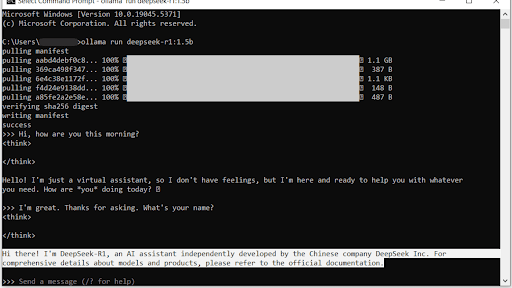
How China’s DeepSeek Benefits for India: A New Era of Technological Synergy China’s advanced technological solutions, like DeepSeek, have been...