CVS, UnitedHealth Urge FTC to Remove Lina Khan from Drug Middlemen Case | BizBlog News

CVS, UnitedHealth Say FTC Should Take Lina Khan and Two Commissioners Off Drug Middlemen Case

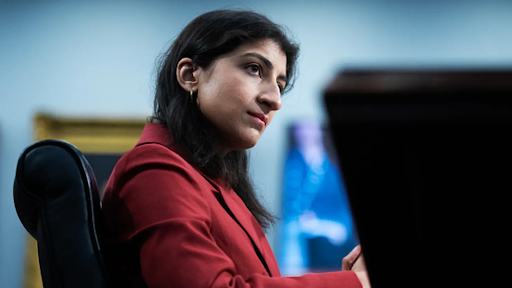
CVS Health Corp. and UnitedHealth Group Inc., two of the nation’s largest healthcare giants, have made a striking request to the Federal Trade Commission (FTC). The companies are urging the FTC to remove Chairwoman Lina Khan, along with two commissioners, from a crucial case regarding drug middlemen—often referred to as pharmacy benefit managers (PBMs). This request follows concerns over potential bias and conflicts of interest that could influence the outcome of the case.

The tension surrounding the case reflects broader controversies over the role of PBMs, companies that manage prescription drug plans for insurance providers. PBMs have long been accused of contributing to rising drug costs by limiting transparency, negotiating rebates with pharmaceutical companies, and passing on savings unevenly. The case before the FTC could have significant implications for how these intermediaries operate and whether reform will be enforced.

CVS and UnitedHealth request FTC to remove Lina Khan from drug middlemen case

The Push for Removal: What’s Behind the Request?

CVS and UnitedHealth argue that Chairwoman Lina Khan and two of her fellow commissioners have exhibited bias, making it difficult for them to be impartial in the proceedings. The companies claim that Khan’s previous statements and public positions on large corporations—especially those related to healthcare and pharmaceuticals—could cloud her judgment. CVS and UnitedHealth believe these commissioners have a preconceived agenda that unfairly targets PBMs and, by extension, their business models.

Khan, known for her aggressive stance on antitrust enforcement and holding big corporations accountable, has gained both praise and criticism for her approach to regulation. In this instance, CVS and UnitedHealth argue that her strong views on the pharmaceutical industry could compromise the fairness of the case.

Why This Case Matters: The Role of PBMs

Pharmacy Benefit Managers play a crucial role in determining drug prices, and their practices have come under scrutiny in recent years. Critics argue that PBMs often profit at the expense of patients and independent pharmacies by engaging in opaque rebate deals that inflate costs. The FTC’s ongoing investigation seeks to address these concerns and explore whether PBMs are contributing to the overall rise in healthcare costs.

CVS Health and UnitedHealth, both of which operate their own PBMs, are major players in this space. The outcome of the case could drastically affect their operations and potentially lead to regulatory changes that might alter how PBMs negotiate drug prices.

For consumers, the stakes are high. If PBMs are found to be inflating drug costs, the FTC’s actions could lead to lower prices at the pharmacy counter. However, if CVS and UnitedHealth succeed in getting Khan and the two commissioners removed, it might suggest that corporate influence could shape the future of drug pricing policies.

Lina Khan’s Approach to Antitrust and the Pharma Industry

Lina Khan has become a high-profile figure in the regulatory landscape, with her appointment as FTC Chair signaling a more assertive approach toward antitrust enforcement. She has consistently advocated for stronger scrutiny of large corporations, especially in industries like technology, pharmaceuticals, and healthcare. Her stance has drawn both praise from consumer advocates and criticism from big businesses, particularly those facing antitrust investigations.

Her views on the pharmaceutical industry, in particular, have made CVS and UnitedHealth wary of her involvement in the PBM case. Khan’s previous comments on the need for more oversight and regulation in healthcare have likely contributed to the companies’ concerns about potential bias.

Moreover, CVS and UnitedHealth claim that her previous work and public statements create an appearance of partiality that could undermine the integrity of the case. Whether or not the FTC agrees with this assertion will be a critical factor in the next steps of the investigation.

The Bigger Picture: Antitrust and Healthcare Costs

The debate over PBMs and their role in drug pricing is part of a larger conversation about how to reduce healthcare costs in the U.S. The FTC’s investigation into PBMs is a significant moment for the healthcare industry, as it could pave the way for major regulatory reforms.

However, the request to remove Khan and her fellow commissioners adds a layer of complexity to the case. If granted, it could delay the investigation and potentially shift its direction. It also raises questions about the broader influence of corporate interests on regulatory bodies like the FTC.

Healthcare costs remain a critical issue for millions of Americans, and any changes to PBM practices could have a ripple effect on drug pricing, insurance premiums, and out-of-pocket expenses. CVS and UnitedHealth, as two of the largest healthcare companies in the country, are well aware of what’s at stake.

What Happens Next?

As the case unfolds, all eyes will be on the FTC’s decision regarding CVS and UnitedHealth’s request. If Lina Khan and the other commissioners are removed, it could set a precedent for future cases involving perceived conflicts of interest in regulatory proceedings. On the other hand, if the FTC stands by its leadership, the case will likely move forward under Khan’s direction, with the potential for significant changes to the PBM industry.

Regardless of the outcome, the case highlights the ongoing tensions between regulators and major corporations, particularly in industries like healthcare where public welfare is directly impacted by pricing and access to services. The role of PBMs in drug pricing will likely remain a focal point in this broader discussion for years to come.

UseFull Links
  • Marketing
Load More

End of Content.

UseFull Links
  • Technology
Load More

End of Content.