
Introduction The global financial markets are facing renewed volatility as the Trump administration announced broader-than-expected reciprocal tariffs. This latest move...
In a bold and strategic move, Russia’s central bank raised its key interest rate to 21% to tackle inflation, which has been climbing faster than expected. As the country grapples with rising consumer prices, this rate hike is designed to stabilize the economy and control inflationary pressures. The decision highlights the Russian government’s proactive stance in addressing economic turbulence and aims to set a sustainable course for future growth.
The Russian central bank increased the key rate to 21% due to unexpected inflationary pressures that have hit the economy. The move is part of an ongoing strategy to stabilize the ruble, curb domestic price surges, and create a more predictable economic environment. Over the past year, global inflationary trends, partly fueled by fluctuating oil prices and geopolitical tensions, have added significant pressure on Russia’s economy. For the central bank, controlling inflation through higher rates has become essential, as unchecked inflation could lead to a further decline in purchasing power for ordinary Russians and escalate economic instability.
The key interest rate is a crucial economic tool that impacts borrowing costs, currency stability, and overall economic growth. When a central bank increases its key rate, borrowing becomes more expensive, slowing down spending and reducing inflationary pressures. By raising the key rate to 21%, Russia’s central bank is sending a clear signal: it’s committed to combating inflation aggressively, even at the expense of slowing economic growth temporarily. This approach aims to protect the ruble’s value, restore investor confidence, and curb consumer spending, thereby reducing the demand-pull factors contributing to rising prices.
Higher interest rates can have a ripple effect across various sectors. For consumers, the increase means higher loan repayment costs, which could dampen spending on big-ticket items like cars and real estate. For businesses, borrowing becomes more expensive, leading to potential delays in expansion plans or investments. Small and medium enterprises, in particular, may feel the pinch as they grapple with rising costs and reduced access to affordable credit. Additionally, as businesses reduce spending and hiring, the job market may face a cooling effect, impacting the broader economy.
The central bank’s rate hike is not merely a short-term fix; it’s part of a broader effort to restore economic balance in Russia. By increasing the key rate, policymakers aim to curb inflation expectations and ensure that price stability becomes a long-term economic feature. Despite these efforts, challenges remain. Global market dynamics, including energy prices and international sanctions, continue to play a significant role in shaping Russia’s inflation outlook. For Russia, navigating these external pressures while implementing domestic policy solutions is a delicate balancing act.
The rate hike is also expected to strengthen the ruble, making it more attractive for foreign investors looking for higher yields. A stronger ruble can help Russia maintain purchasing power for imported goods, thereby reducing some of the external inflationary pressures on its economy. Foreign investors may find Russia’s bond market appealing, given the higher yields resulting from the increased rate. However, the volatile economic and political landscape may keep some investors on the sidelines, wary of long-term commitments.
Russia is no stranger to aggressive rate hikes, particularly in times of economic instability. In recent history, other economies have used similar measures to stabilize their currency and control inflation. For instance, in the late 1970s and early 1980s, the U.S. Federal Reserve raised interest rates drastically to tackle hyperinflation, leading to a recession but ultimately stabilizing the economy. Russia’s current move mirrors such policies, with a focus on long-term stability even if it brings short-term challenges.
Moving forward, Russia’s central bank will likely continue to monitor inflation trends closely. The institution has indicated that additional rate adjustments are possible if inflation continues to rise or if external factors, such as commodity prices, increase. By being flexible with its monetary policy, the central bank aims to create a buffer against potential economic shocks. However, sustained high rates are not expected indefinitely; the central bank may lower rates once inflationary pressures subside, balancing economic growth with price stability.

Introduction The global financial markets are facing renewed volatility as the Trump administration announced broader-than-expected reciprocal tariffs. This latest move...

Introduction As the world braces for a new wave of tariffs imposed by former U.S. President Donald Trump, global markets...

Market Overview The Indian equity markets faced a turbulent start in Tuesday’s trade, with both the Nifty 50 and Sensex...

Google AI Model Release : The Next Stage in Google’s Virtual Agent Push Google has taken a bold step in...

Ferrari earnings growth 2025 Shares Pop 8% as Luxury Carmaker Sees Further Earnings Growth Ferrari earnings growth 2025 , the...
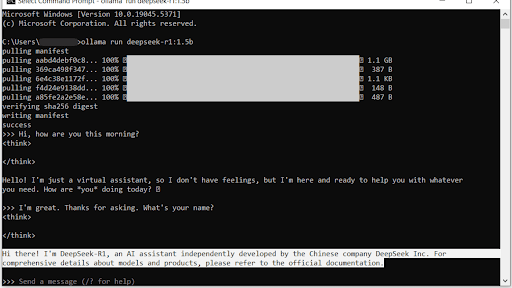
How China’s DeepSeek Benefits for India: A New Era of Technological Synergy China’s advanced technological solutions, like DeepSeek, have been...