Autonomous Tech in Farming: Transforming Crops and Farm Labor | BizBlog News

Autonomous Tech Is Coming to Farming. What Will It Mean for Crops and Workers Who Harvest Them?

In an era defined by rapid technological advancements, autonomous tech is transforming nearly every industry, and farming is no exception. From AI-driven tractors to robotic crop harvesters, autonomous technology has the potential to change how we grow, harvest, and distribute food worldwide. But as we consider the future of farming, we must ask, What does autonomous tech mean for the crops we rely on? And what will the impacts be on the workers who bring these crops from field to table?

The adoption of autonomous tech in agriculture presents both opportunities and challenges, promising enhanced productivity, more sustainable farming practices, and even the possibility of addressing global food security. However, it also raises critical questions about the future role of human workers, skill requirements, and economic impacts within the agricultural sector. This article explores these implications, considering both the promise and complexity of autonomous tech in farming.

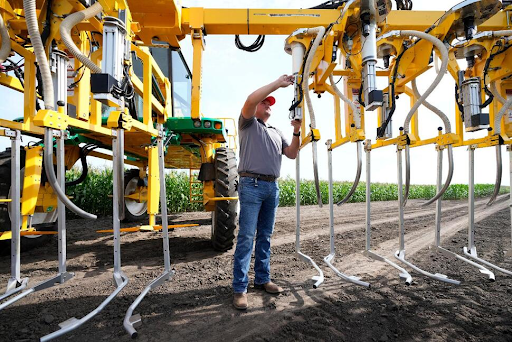
utonomous tech in farming showing crop fields with AI-driven machines and farmworker

The Rise of Autonomous Technology in Farming

Autonomous technology in farming is reshaping traditional agricultural practices. From AI-powered machines that plant and water crops to robots capable of selective harvesting, autonomous innovations are enabling farms to become more efficient and productive. The rising demand for sustainable, high-yield farming methods has encouraged agritech companies to develop tools that streamline operations, cut labor costs, and ensure crop consistency. Innovations like John Deere’s autonomous tractors, drones for monitoring soil and crop health, and robotic weeders are just a few examples transforming farming.

How Autonomous Tech Works in the Field

Autonomous farming equipment operates with the help of sensors, GPS, AI algorithms, and data analytics. For instance, self-driving tractors use GPS to plow fields with precision, while AI-powered drones fly over vast acreage to gather insights on soil health and plant hydration. Robotics with high-resolution cameras are even able to identify ripe produce, reducing waste by ensuring only mature crops are harvested. This tech minimizes human error, optimizes resource use, and, importantly, reduces the need for physical labor.

By leveraging AI and machine learning, farmers can also use data from these machines to predict crop yields, manage pests proactively, and analyze the best planting cycles for future seasons. These insights are transforming traditional agriculture into a data-driven enterprise, with implications for crop quality and yield consistency.

The Impact of Autonomous Technology on Crop Production

The promise of higher productivity and efficiency in crop production is one of the biggest advantages of autonomous tech in farming. Robotics and automation can operate longer hours, increasing the amount of land that can be cultivated and ultimately boosting food production. This may help address the global demand for food as the population grows, alleviating pressure on smaller farms and reducing the cost of food production.

Improving Crop Health and Yield

Autonomous tech is also helping farmers monitor crops with unmatched precision. Drones equipped with multispectral cameras can track plant health and alert farmers to pest infestations or nutritional deficiencies before they impact yields. By automating these processes, farms can take preventive actions rather than reacting to issues once they’re evident. Automated soil health monitoring systems ensure that crops receive optimal nutrients, directly impacting their quality and yield.

Potential Risks and Concerns

However, with new technology come risks. One concern with autonomous farming technology is the dependency on digital systems, which may be vulnerable to cyber-attacks or technical malfunctions. Moreover, maintaining these machines and systems may require substantial investment, which can be challenging for smaller farms with limited budgets. Autonomous tech could also lead to soil compaction, as heavier machinery can impact soil quality if not managed properly.

The Human Element: Implications for Farm Workers

While autonomous technology promises increased productivity, it also presents significant changes for the agricultural workforce. Agriculture has long been a labor-intensive industry, with millions of workers around the globe depending on seasonal and field labor for their livelihood. The automation of these tasks means that fewer people may be needed to plant, tend, and harvest crops, raising concerns about job displacement.

The Changing Role of Farm Labor

Farm jobs are changing, with traditional tasks like planting, weeding, and harvesting gradually being replaced by machine-operated systems. However, the need for skilled labor to operate, program, and maintain these advanced machines is increasing. Future farmworkers may find that their jobs require knowledge of technology, programming, and machinery maintenance—a shift that necessitates retraining and new skill development.

Some labor-intensive tasks, such as harvesting delicate crops, still require a human touch. While robots are improving, the dexterity required for crops like strawberries or tomatoes is challenging to automate without damaging the product. This means that, for the foreseeable future, humans will still play an essential role in certain aspects of farming.

Social and Economic Concerns

The shift to autonomous farming could lead to economic disparity, as larger farms with the capital to invest in these technologies may outpace smaller farms that cannot afford to make such investments. Additionally, the social fabric of rural communities, many of which are built around farm labor, may face disruption as job opportunities shift away from traditional manual labor roles. This could lead to changes in rural demographics, impacting families, education, and community structures.

Benefits of Autonomous Technology for Sustainable Farming

Autonomous tech is not only increasing efficiency but also promoting sustainable farming practices. Precision agriculture—using data and technology to make farming as efficient and environmentally friendly as possible—is becoming increasingly feasible with automation. Robots, drones, and AI-driven machines are making it easier to use resources like water and pesticides responsibly, reducing environmental impact and promoting conservation.

Reduced Resource Waste

By precisely monitoring and managing resources, autonomous tech enables farms to use only the amount of water, fertilizer, or pesticide necessary. For example, robotic sprayers can target individual plants rather than entire fields, reducing the volume of chemicals used and minimizing their effect on surrounding ecosystems. Similarly, irrigation drones and sensors can help prevent water wastage by ensuring that only areas in need receive water.

Conservation and Biodiversity

Autonomous farming can also play a role in biodiversity by supporting no-till farming practices. Unlike traditional farming, which often requires extensive soil tilling that disrupts habitats, autonomous machines can help facilitate planting methods that protect soil structure and maintain habitats for local flora and fauna. This practice not only conserves biodiversity but also enhances soil health and reduces carbon emissions, contributing to the fight against climate change.

What Lies Ahead for Crops and Workers?

The future of farming with autonomous technology will likely bring a mixed landscape of benefits and challenges. For crops, automation could improve yield quality and consistency, help manage climate-related risks, and foster sustainable farming practices. Yet, for workers, the outlook is less straightforward. While autonomous tech could eliminate some repetitive tasks, it could also create a demand for higher-skilled roles focused on machine operation, data analysis, and technology maintenance.

Training and Educational Opportunities

As autonomous technology becomes more commonplace, educational programs focused on agritech will be essential for future farmers and technicians. Programs that teach the necessary skills for operating and maintaining agricultural machines will empower the next generation of workers to succeed in an industry where technology and traditional practices blend. This shift could foster new career pathways and offer economic benefits to communities that embrace agritech.

Addressing Labor Shortages and the Future of Farm Work

In regions facing agricultural labor shortages, autonomous technology may help alleviate gaps by taking on repetitive, labor-intensive tasks that are hard to fill. By automating these tasks, farms can redirect workers to more value-added roles, enhancing productivity and ensuring that food production remains viable even as labor dynamics shift.

UseFull Links
  • Marketing
Load More

End of Content.

UseFull Links
  • Technology
Load More

End of Content.