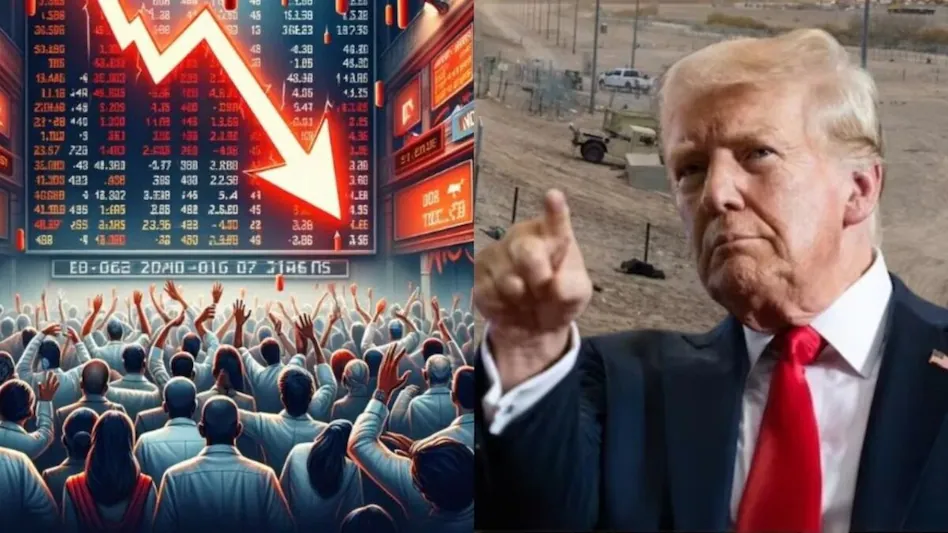
Introduction The global financial markets are facing renewed volatility as the Trump administration announced broader-than-expected reciprocal tariffs. This latest move...
The oil market, one of the most globally impactful sectors, remains in a constant state of flux, influenced by political shifts, international relations, and domestic policy choices. Under President Donald Trump, the U.S. adopted an aggressive stance on oil production and reinstated tough sanctions on Iran—measures that continue to fuel uncertainty in the market’s future. The approach of “drill baby, drill” alongside comprehensive sanctions on Iran has sparked widespread discussion regarding the potential impact on both the U.S. and global energy markets.
During Trump’s presidency, a “pro-American energy” agenda took center stage, characterized by lifting restrictions on domestic oil and gas production, particularly through policies favoring drilling on public lands and offshore. This philosophy aimed to reduce dependency on foreign oil while strengthening the U.S. as a leading oil exporter. However, the administration’s sanctions on Iran, one of the largest oil producers globally, have added complexities to an already delicate balance, raising questions about both supply and price stability.
Iran holds substantial influence in the global oil market as one of the largest producers within OPEC. As sanctions on Iran’s oil exports were reimposed, the goal was to limit Iran’s oil revenue, ultimately affecting its economy and potentially altering its political landscape. However, reducing Iranian oil on the global market has implications far beyond U.S.-Iran relations. The sanctions contribute to supply constraints, especially in a market that is highly responsive to shifts in output from major players.
The slogan “drill baby, drill” became a rallying cry during Trump’s term, symbolizing an expansion of U.S. oil drilling activities. With significant advances in shale technology, the U.S. is more equipped than ever to increase its own output. By encouraging more domestic drilling, the administration sought to make the U.S. less reliant on foreign energy while fostering job growth and boosting the economy. But in practice, this increase in domestic production comes with its own environmental and economic risks, including the volatile nature of the shale oil industry, which can experience rapid production booms and busts depending on market demand.
Global oil prices respond immediately to supply changes, especially those caused by politically motivated shifts like the U.S. sanctions on Iran. When Iranian oil is removed from the market, prices tend to rise as buyers scramble to secure supplies elsewhere, often paying a premium. While this benefits some oil-producing countries and corporations, higher prices can strain global economies, particularly in countries heavily reliant on imported oil.
Yet, increased U.S. production due to “drill baby, drill” has partially countered the reduction in Iranian oil, stabilizing prices to a certain degree. This tug-of-war between supply constraints from sanctions and increased U.S. output underlines the complex dynamics that keep oil prices from stabilizing completely.
The sanctions on Iran have not gone unchallenged internationally. Many countries, particularly in Europe and Asia, rely on Iranian oil and have expressed concerns about the economic impact. Some have sought waivers to continue purchasing from Iran, while others have turned to alternative suppliers. The sanctions also push some nations to explore other energy sources, including renewable energy and alternative oil producers, to reduce reliance on politically volatile regions.
OPEC’s relationship with non-member oil producers has shifted in response to Trump-era policies. With the U.S. increasing its production, OPEC members and other countries, notably Russia, have had to reconsider their strategies to maintain price stability. The changing alliances and strategies within OPEC highlight how the organization’s influence is affected when one of its prominent members, like Iran, is targeted by sanctions that reduce its ability to export freely.
The push to expand U.S. drilling comes with economic benefits, including job creation within the energy sector and increased revenue from oil exports. However, the boom in oil jobs can be unstable, as the industry is sensitive to price fluctuations. When oil prices fall, drilling projects may halt, leading to layoffs. This uncertainty in employment impacts oil-dependent regions and raises questions about the sustainability of a job market heavily tied to fluctuating oil prices.
An increase in drilling activities, especially on public lands, has environmental advocates raising concerns. The expansion threatens ecosystems, contributes to greenhouse gas emissions, and increases the risk of oil spills. Critics argue that reliance on fossil fuels should be minimized in favor of cleaner energy sources, urging that energy policy considers long-term sustainability over short-term gains.
As the U.S. expands oil drilling, other nations are doubling down on renewable energy sources like solar and wind power. While oil remains essential for many industries, the future points towards diversification in energy sources. Renewable energy advocates suggest that increasing investment in sustainable technologies could reduce dependence on volatile markets and create more stable employment in emerging green sectors.
The oil market’s future under Trump-era policies, characterized by sanctions on Iran and domestic drilling expansion, reflects a larger debate about energy independence, market stability, and environmental responsibility. With an unpredictable political landscape, the market remains at the mercy of both domestic policy changes and international relations. As the U.S. juggles its status as a global oil powerhouse with sanctions that reshape international alliances, the oil market’s long-term trajectory continues to be uncertain.
In a world increasingly focused on sustainability, the question remains: will future leaders prioritize continued fossil fuel expansion, or will they pivot toward cleaner, more sustainable energy sources?

Introduction The global financial markets are facing renewed volatility as the Trump administration announced broader-than-expected reciprocal tariffs. This latest move...

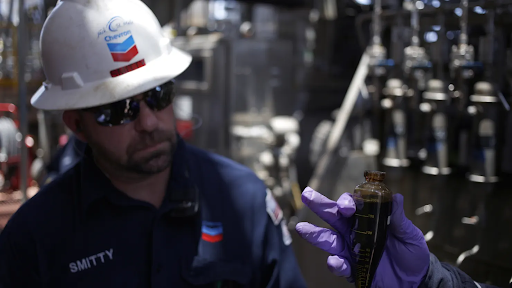
Introduction As the world braces for a new wave of tariffs imposed by former U.S. President Donald Trump, global markets...

Market Overview The Indian equity markets faced a turbulent start in Tuesday’s trade, with both the Nifty 50 and Sensex...

Google AI Model Release : The Next Stage in Google’s Virtual Agent Push Google has taken a bold step in...

Ferrari earnings growth 2025 Shares Pop 8% as Luxury Carmaker Sees Further Earnings Growth Ferrari earnings growth 2025 , the...
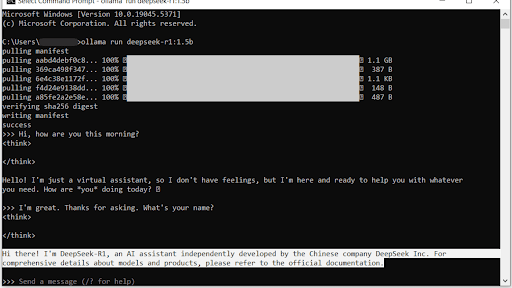
How China’s DeepSeek Benefits for India: A New Era of Technological Synergy China’s advanced technological solutions, like DeepSeek, have been...