Bank of England Rate Cuts Explained | BizBlog News

The Bank of England Cuts Rates: What It Means for the UK Economy

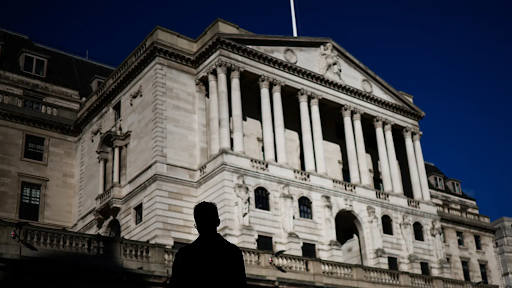
As the Bank of England (BoE) announces a fresh interest rate cut, signaling gradual reductions ahead, the UK finds itself in a complex economic landscape. Adding to this shift, the Labour Party’s new budget, which aims to fund major social programs, has increased the Bank’s inflation forecast. With these intertwined factors impacting growth, inflation, and fiscal policy, understanding the implications of the BoE’s actions and Labour’s spending plan is essential for navigating the UK economy today.

bank-of-england-cuts-rates-inflation-forecast

The Bank of England’s Rate Cut: A Needed Shift?

The decision to cut interest rates comes as the Bank of England responds to signs of slowing economic momentum. Over the past year, high inflation and global uncertainty have prompted the Bank to adopt a cautious approach. But now, with inflation appearing more stubborn than anticipated, BoE policymakers decided a rate cut could offer some relief to households and businesses by lowering borrowing costs. This marks a turning point after an extended period of rate hikes that sought to keep inflation in check.

Labour’s Budget and Its Inflationary Pressures

The Labour Party’s budget, introduced with promises of expansive social spending, has placed additional pressure on inflation forecasts. Large allocations for health, education, and infrastructure signal ambitious aims to stimulate the economy. However, these spending plans, while supportive of growth, have raised concerns that they may also fuel inflation in the short term. More public spending, combined with existing inflationary pressures, creates a scenario where the BoE may need to be even more vigilant about the pace of rate cuts.

How the Rate Cuts May Affect Inflation Forecasts

The BoE’s inflation forecasts were already elevated prior to this announcement. The added influence of Labour’s budget means that inflation may stay higher for longer than initially expected. By gradually reducing rates, the Bank hopes to balance two priorities: supporting growth through lower rates and preventing inflation from overheating. This cautious approach reflects the Bank’s awareness that too aggressive a cut could risk undoing its hard-won progress against inflation.

The Labour Budget’s Impact on the UK’s Fiscal Landscape

Labour’s spending strategy has shifted the fiscal landscape in ways that impact monetary policy directly. By prioritizing public investment and social programs, the budget aims to address structural issues in health, housing, and social care. However, such investments require funding, which can increase the deficit or require higher taxes in the future. The Bank of England’s new outlook considers these variables and how they may push inflation expectations higher, warranting a careful approach to rate reductions.

Potential Outcomes: A Balancing Act for the Bank of England

With these dynamics at play, the BoE faces a balancing act in the months ahead. By implementing rate cuts slowly, it aims to support economic growth without letting inflation surge. This measured strategy, while necessary, means that consumers and businesses will need to stay prepared for possible volatility. If inflation continues to rise more than forecasted, the Bank may pause its rate cuts to avoid escalating prices further. Conversely, if inflation moderates, the Bank may accelerate cuts, offering relief to borrowers more quickly.

What This Means for UK Consumers and Businesses

For consumers, the BoE’s decision translates to a mixed outlook. On one hand, rate cuts should gradually lower the cost of mortgages and other loans, potentially easing financial strain for households. However, with inflation still high, the cost of living remains a concern, and the gradual approach to rate reductions means relief may not be immediate.

For businesses, the cautious rate-cutting path offers a bit of stability. Lower borrowing costs could help companies invest more in growth, but they must also remain aware of the inflationary environment, which affects input costs, wages, and demand.

Navigating the Path Ahead

The Bank of England’s rate cuts, balanced against Labour’s inflation-boosting budget, reflect the fine line policymakers walk between growth and inflation. As this gradual path unfolds, individuals and businesses alike should stay informed on economic trends, adapting as the BoE’s response to inflation evolves. This period of transition will require flexibility, but it also presents opportunities for careful financial planning and strategic growth.

UseFull Links
  • Accounts and Finance
Load More

End of Content.

UseFull Links
  • Technology
Load More

End of Content.