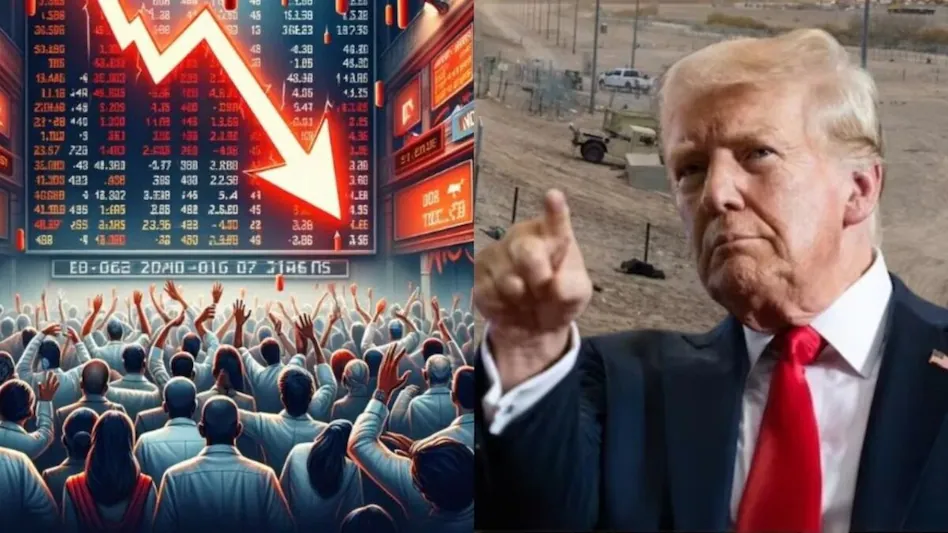
Introduction The global financial markets are facing renewed volatility as the Trump administration announced broader-than-expected reciprocal tariffs. This latest move...
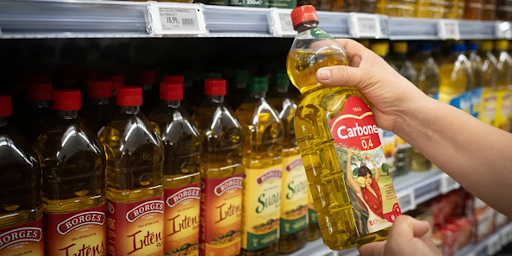
This market, also known as the “liquid gold, has indeed attracted the attention of the world in the last few years just because of its skyrocketing price . Low weather conditions, shortages of supply, and higher global demands led the olive oil toward record prices in 2023 . But there is light at the end of the tunnel. Spain is the globe’s biggest producer of olive oil. Latest word coming out of this country is that prices might just prove to be realistic once again half of the highs seen. Really does bring hope forward for consumers and retailers, not to mention businesses that rely on this staple from the Mediterranean region.
Prices for olive oil have skyrocketed lately due to a perfect storm. Most significant among these has been climate change, manifesting in long-lasting droughts and extreme heat waves that hit both Spain and the other major producing countries. For Spain, which supplies over 40% of the world’s olive oil, last season was one of the worst harvests in decades.
The problem of supply was compounded by an increased global demand. Olive oil became an increasingly popular choice as health-conscious consumers worldwide adopted Mediterranean diets . With supply shrinking and demand increasing, prices skyrocketed to astronomical highs, making olive oil a luxury for many .
Amenable factors have encouraged Spain’s olive oil producers to forecast a decrease in price, potentially one that would cut prices nearly in half from their peak levels. Contributing factors in this positive outlook include :
The weather has been poor for years, and some of the biggest olive-growing regions have also seen rain. That should boost olive crops going into the next year.
Market stabilization : The high prices temporarily lowered demand across the world and made space for supply to close in on it.
Increased Production Efforts : Producers have focused efforts on increasing olive grove sizes and utilizing sophisticated irrigation means, which should yield higher output.
Affordability and access. This is what cutting the current price of the commodity translates to for the consumer. For many decades, olive oil was the staple ingredient for kitchens all over the world, commended for its versatility and health attributes. Lower prices will not only encourage greater usage but also ease the financial burden for millions of families who rely on this product daily.
It will also save restaurants, food manufacturers, and cosmetic houses—major consumers of olive oil —substantial amounts on costs. That in turn can lead to several other products and services dependent on olive oil, such as haute cuisine and skincare, becoming cheaper.
The good news, however is that challenges to the olive oil sector still exist, though optimism is welcome news. Climate unpredictability for one will be on one’s mind in respect of further drought or heat waves that could spoil the harvest improvement. Another factor that threatens prices is geopolitical tensions, economic variables like inflation that are hard to calculate.
Olive oil producers are going green for long-term stability. Farmers, for instance, are embracing nonchemical farming methods, investing in technology to combat water scarcity, and diversifying crops. When prices stabilize, profitability with sustainability will be the cornerstone of the global olive oil supply chain.
The last couple of months have witnessed an escalation in market volatility and regulatory attention regarding cryptocurrency. Governments across the world have been imposing more stringent regulations that may degrade the adoption rate and functionality of crypto services for businesses and individual users alike. The changing nature is a risk for companies heavily investing in blockchain technologies, particularly during times of economic decline or instability in the crypto market.
Furthermore, the sharp cryptocurrency market crash that began at the start of 2022 put major players in mining, trading, and finance on quite shaky ground. Even behemoths like Block have not been immune to the shockwaves since many cryptocurrency-related projects and assets lose value without any possibility of retrieving their former values. The company led by Dorsey reportedly felt the need to balance crypto initiatives with a more conservatory and sustainable approach.
Block seems to rebalance its resources and strategies to stabilize when it scales down its crypto ambitions. It is not necessarily a withdrawal from the digital currency world but a recalibration in focus. Instead of going deeper into one cryptocurrency-only projects, the company would opt for improvements of popular services and payment processing that remain profitable and in heavy use.
Block may concentrate more on hybrid financial products that combine aspects of the old system of finance with blockchain technology such as remittances or business solutions based on blockchain. In this case, the company will be in a stable position within the emerging digital finance world and avoid overly investing in areas that are risk-prone.
That said, Jack Dorsey tempering his crypto dream has sent shockwaves within the cryptocurrency industry. This comes particularly as Block has been eyed as an omen for mainstream adoption of crypto. Wherein crypto fans may be less than thrilled at softening ambitions, some analysts do note that this could stabilize the company and get more solidly based approaches towards blockchain adoption in finance.
Perhaps, however, the case study for the rest of the tech and finance companies weighing the pros and cons of pushing crypto and blockchain technologies in uncertain regulatory environments will be Dorsey’s move. For blockchain and fintech innovators, this move underlines the need for adaptive strategies as digital finance proceeds with development.
Scaling back his aspirations for Block’s crypto undertakings, Jack Dorsey underscores the requirement for continuous adaptability to a changing, fast-paced financial landscape. In toning down his vision, he puts Block in a position to grow and continue as a strong player in fintech without being beholden to an ever-fluctuating crypto market. This realignment could ultimately make Block a more resilient, stable corporation yet still leave enough space for future exploits in blockchain and digital finance inventions.

Introduction The global financial markets are facing renewed volatility as the Trump administration announced broader-than-expected reciprocal tariffs. This latest move...

Introduction As the world braces for a new wave of tariffs imposed by former U.S. President Donald Trump, global markets...

Market Overview The Indian equity markets faced a turbulent start in Tuesday’s trade, with both the Nifty 50 and Sensex...

Google AI Model Release : The Next Stage in Google’s Virtual Agent Push Google has taken a bold step in...

Ferrari earnings growth 2025 Shares Pop 8% as Luxury Carmaker Sees Further Earnings Growth Ferrari earnings growth 2025 , the...

How China’s DeepSeek Benefits for India: A New Era of Technological Synergy China’s advanced technological solutions, like DeepSeek, have been...