
Eastroc Beverage’s International Ambitions
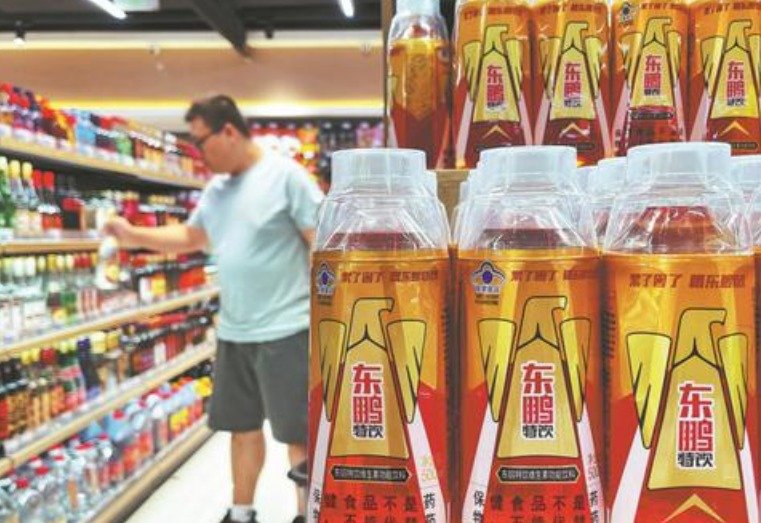
In September 2023, a supermarket in Nanjing, Jiangsu province, prominently displayed Eastroc Beverage’s vibrant yellow-can energy drinks — a brand long familiar to Chinese consumers. However, Eastroc’s vision has expanded beyond domestic shelves. The company has officially begun its journey into international markets, marking a new chapter in its growth story.
Renowned in China’s fiercely competitive energy drink sector, Eastroc is now setting its sights on global expansion. With ambitions to carve out market share from Southeast Asia to the Middle East, the company aims to establish its products not only among overseas Chinese communities but also within the daily routines of local consumers worldwide.
Shifting from Ethnic Niches to Mainstream Markets
Two years ago, Eastroc Vice-President Hu Yajun was tasked with leading the company’s international business strategy. Initially, the plan focused on targeting familiar ground — Chinese communities living abroad, many of whom already knew and loved Eastroc’s flagship energy drink.
However, Hu soon realized that this narrow focus would limit the company’s growth. Speaking at the FBIF 2025 Food and Beverage Innovation Forum in Shanghai, Hu described a pivotal shift in strategy: “At first, our idea was simple — target the overseas Chinese community. But very quickly, I realized that wasn’t the future. True globalization means entering mainstream local markets and becoming a daily product for local consumers.”
This change in perspective has since become the cornerstone of Eastroc’s international strategy, marking a significant evolution from niche ethnic targeting to broader, culturally integrated marketing.
A Larger Trend: Chinese Brands Going Global
Eastroc’s story is not unique. It reflects a broader trend of Chinese beverage and snack brands increasingly looking beyond domestic borders to fuel their next phase of growth. Companies once content to dominate the local market are now seeking recognition and sales in international arenas.
This surge in outbound expansion is being driven by several key factors:
-
Market Saturation at Home: China’s beverage and snack sectors are intensely competitive and increasingly saturated. For many companies, growth opportunities lie beyond national borders.
-
Brand Confidence: Chinese brands have matured significantly in terms of product quality, innovation, and branding, making them more competitive globally.
-
Digital Platforms and Logistics: Cross-border e-commerce and global logistics networks have made it easier for Chinese companies to reach international consumers.
-
Demand for Asian Flavors: Global consumers are developing a taste for Asian snacks and beverages, spurred by trends in Asian cuisine and pop culture.
Learning the Rules of the Global Game
Despite the opportunities, going global isn’t without its challenges. Companies like Eastroc are learning that success abroad requires more than just exporting products — it demands a deep understanding of local consumer behavior, regulatory standards, and market dynamics.
For Eastroc, adapting to local tastes has been critical. Hu emphasized the importance of product localization: “You cannot just take what works in China and expect it to perform well in a completely different market. You must listen to local consumers, understand their habits, and evolve your products accordingly.”
Packaging, flavors, marketing campaigns — all these elements are being fine-tuned to better resonate with international audiences. This includes working with local distributors, hiring regional marketing teams, and participating in food expos and trade shows across the globe.
Rising Stars in Snacks and Beverages
Eastroc is part of a new generation of Chinese consumer brands that are gaining recognition beyond China’s borders. Others in this cohort include snack brands like Three Squirrels, Bestore, and Lyfen, as well as drink makers such as Genki Forest, Wahaha, and Heytea.
These companies are using a mix of innovative branding, savvy digital marketing, and strategic partnerships to expand their presence. Many are active on platforms like TikTok and Instagram, targeting younger consumers with visually appealing, trend-forward campaigns.
Genki Forest, for example, has leveraged its sugar-free sparkling water products to build a following in the U.S., Southeast Asia, and even parts of Europe. With sleek, minimalist packaging and health-conscious messaging, the brand has managed to tap into wellness trends that resonate globally.
Government Support and International Trade Policies
The Chinese government has also played a role in encouraging consumer goods exports. Initiatives like the Belt and Road Initiative (BRI) have opened up new trade routes, while free trade agreements and export-friendly policies have made it easier for companies to operate internationally.
Additionally, government-backed trade fairs and exhibitions, such as the China International Import Expo (CIIE), have helped companies connect with overseas partners and showcase their products to global buyers.
What Lies Ahead
As more Chinese food and beverage brands venture overseas, the landscape of global consumer goods is bound to change. Companies like Eastroc are not just exporting products — they are exporting cultural tastes, innovative business models, and new approaches to branding.
Their success abroad will depend on how well they adapt, localize, and integrate into diverse consumer cultures. But if current trends continue, Chinese brands could soon become household names far beyond their home country.
In many ways, the journey has only just begun. As Hu Yajun puts it, “Globalization is not just about moving products. It’s about moving hearts, winning trust, and becoming a familiar presence in everyday life — no matter where that life is lived.”