

Diplomatic Voices Unite in Support of Palestinian Recognition A coalition of 26 distinguished former British diplomats has penned a compelling open letter, calling on UK Prime Minister Keir Starmer and French President Emmanuel Macron to officially recognise the State of Palestine. The letter, published in The Times newspaper, urges both leaders to take a definitive stand in favour of Palestinian sovereignty — a move the signatories believe is long overdue and critical for achieving a just and lasting peace in the Middle East. The former diplomats argue that recognising Palestine would not only reflect moral and legal responsibility but also contribute meaningfully to the two-state solution — a vision that has long been endorsed by the international community, yet remains frustratingly elusive due to continued geopolitical deadlock. High-Profile Signatories with Deep Regional Experience Among the notable figures who signed the letter are individuals with extensive experience in Middle Eastern diplomacy. Sir Dominick Chilcott, who has served as the UK ambassador to Turkey and Iran, is one of the leading voices behind the appeal. He is joined by Peter Millett, a former ambassador to Libya and Jordan, and Lord Andrew Green of Deddington, who held posts in Syria and Saudi Arabia. The depth of regional knowledge among the signatories lends considerable weight to their appeal. These are individuals who have spent decades navigating the complex socio-political terrain of the Middle East and who understand firsthand the consequences of continued stalemate and occupation. A Message Overlooked Amid Headlines Despite the gravity of the message, the letter’s publication was somewhat overshadowed. While it appeared in The Times on Monday morning, the main headline on the letters page online focused on an unrelated topic — how “tech-free ‘cloisters’ can help young minds.” This editorial choice may have reduced the visibility of the diplomats’ urgent plea, but it has not diminished its importance among political observers and advocates for Palestinian rights. More than Symbolism: A Strategic Call to Action The former ambassadors emphasise that their call is not merely symbolic. They argue that formal recognition of Palestine as a state would carry significant political weight, particularly coming from two of the European Union’s most influential nations — France and the United Kingdom. By doing so, Starmer and Macron could shift the diplomatic momentum and pressure other Western governments to reassess their stances on the Israeli-Palestinian conflict. “We believe that recognising Palestine is essential for reinforcing the principle of equal rights,” the letter states. “Without such recognition, the international community risks perpetuating a system of inequality that undermines peace efforts.” Expanded List of Distinguished Diplomats In addition to Chilcott, Millett, and Green, the letter was also endorsed by Sir William Patey, former British ambassador to Afghanistan and Saudi Arabia. Also signing were three former UK ambassadors to the United Nations: Peter Jenkins, Sir Jeremy Greenstock, and Lord David Hannay. Their collective experience in multilateral diplomacy gives further legitimacy to the proposal. Sir Jeremy Greenstock, for instance, has long been a vocal advocate for a fair and balanced approach to Middle East policy. As the UK’s former permanent representative to the UN during the early 2000s, he witnessed several critical phases of the Israel-Palestine conflict from a global governance perspective. A New Political Context Under Starmer The letter arrives at a particularly significant political moment. Keir Starmer recently assumed office as Prime Minister of the United Kingdom following a Labour landslide victory in the 2025 general election. During the campaign, Labour promised a foreign policy grounded in “justice, security, and international cooperation.” The former diplomats are clearly seeking to hold the new government accountable to those promises. Labour’s stance on the Israel-Palestine issue has evolved in recent years, especially after growing public pressure and the global reaction to the war in Gaza. The letter urges Starmer to align the UK’s diplomatic posture with its stated values and to support Palestinians in their pursuit of national self-determination. France’s Role in the Diplomatic Equation Similarly, President Emmanuel Macron is being asked to reevaluate France’s position. France has traditionally supported a two-state solution, but it has stopped short of unilaterally recognising Palestine. The letter calls on Macron to move beyond rhetorical support and adopt a more assertive stance, especially in the context of mounting civilian casualties and deteriorating humanitarian conditions in Gaza and the West Bank. Macron, who has positioned himself as a global leader on diplomacy and human rights, now faces pressure from both domestic constituencies and international allies to demonstrate consistency in his foreign policy. Broader Implications for European and Global Diplomacy If the UK and France were to recognise the Palestinian state, it could signal a broader shift in European policy. Other countries within the EU, such as Spain, Ireland, and Norway, have recently moved toward official recognition. A coordinated effort by London and Paris could therefore serve as a catalyst for a unified European stance, thereby increasing pressure on Israel to return to the negotiating table. Furthermore, such a move could strengthen Palestinian leadership’s credibility and restore hope among a population that has endured decades of displacement, military occupation, and political fragmentation.
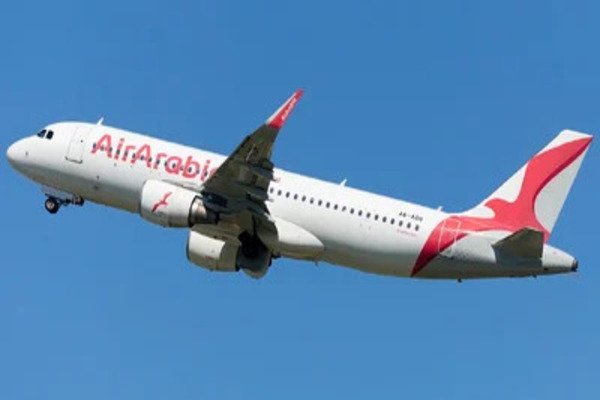
Air Arabia Launches Daily Direct Flights from Sharjah to Prague Starting December 2025
In a major development for global travel and tourism, Air Arabia, the leading low-cost carrier based in Sharjah, United Arab Emirates, has officially announced the launch of daily direct flights to Prague, the capital of the Czech Republic. The new route will commence operations from December 20, 2025, offering passengers non-stop connectivity between the Middle East and Central Europe. This move marks a significant step in Air Arabia’s ongoing efforts to expand its European footprint, enhance global connectivity, and support cross-border tourism and trade. The introduction of this route is expected to attract both leisure and business travelers while promoting cultural and economic exchange between the two regions. Expanding Horizons: A Strategic European Addition With the launch of this new daily service, Air Arabia is expanding its European network to include one of the most culturally rich and historically important cities in Europe. Prague, also known as the “City of a Hundred Spires,” is famed for its medieval architecture, Gothic churches, and lively arts scene. By linking Sharjah directly to Prague, the airline is strategically tapping into the growing demand for travel between the UAE and Central Europe. This route will allow UAE residents and tourists easier access to the Czech capital while also opening the door for Czech citizens and residents to explore the wonders of the UAE. Boost to UAE-Czech Republic Bilateral Relations The timing of this launch reflects Air Arabia’s commitment to strengthening diplomatic and commercial relations between the United Arab Emirates and the Czech Republic. As travel and tourism are central to both economies, this new route is expected to drive significant growth in visitor numbers, hotel occupancy, and business investments on both sides. Trade and investment opportunities are likely to increase as improved connectivity fosters partnerships across various sectors including technology, education, manufacturing, and healthcare. Moreover, the enhanced travel convenience could lead to the development of more collaborative initiatives in cultural exchange, joint tourism ventures, and academic programs. Convenient and Affordable Travel Option As a low-cost carrier, Air Arabia continues to redefine affordable air travel without compromising on quality. The new Sharjah–Prague route will be operated using the airline’s modern Airbus A320 fleet, offering passengers a comfortable and budget-friendly travel experience. Daily flights ensure maximum flexibility and convenience for travelers. Whether planning a short vacation or a long-term business trip, passengers will now benefit from a seamless, direct route that eliminates the need for connecting flights and extended layovers. The airline also promises competitive pricing, making European travel more accessible to budget-conscious flyers across the region. Unlocking Prague: A Central European Gem Prague is a top-tier European destination known for its fairytale-like beauty and historic charm. Its UNESCO-listed Old Town, Charles Bridge, and Prague Castle attract millions of visitors each year. The city is also home to a thriving arts and music scene, celebrated beer culture, and a growing reputation as a hub for tech startups and creative industries. With the new direct flight, tourists from the UAE and other nearby countries will have an easier route to immerse themselves in the magic of Prague. Seasonal attractions such as Christmas markets, spring festivals, and summer river cruises are now just hours away from Sharjah. Supporting Sharjah’s Vision as an Aviation Hub This new route is also aligned with the broader vision of Sharjah Airport as a key regional aviation hub. By offering more international connections, Air Arabia is not only supporting the economic goals of the Emirate but also encouraging a greater influx of tourists, investors, and business delegates to Sharjah itself. Air Arabia’s expanding route network helps elevate the Emirate’s global visibility, positioning it as a convenient gateway between the Middle East, Asia, and Europe. Increased passenger traffic could also stimulate further infrastructure development at Sharjah International Airport, which has already been experiencing robust growth in recent years. Competitive Edge in the Aviation Sector Air Arabia’s new daily Sharjah–Prague service showcases the airline’s proactive growth strategy. In an increasingly competitive aviation market, adding high-demand destinations such as Prague gives the carrier a distinctive edge. It highlights Air Arabia’s commitment to opening up new travel opportunities while maintaining cost-effective operations. By responding to evolving traveler demands and strengthening its presence in key international markets, Air Arabia continues to set benchmarks for other low-cost airlines in the region. Conclusion: A Gateway to Opportunities The launch of daily direct flights between Sharjah and Prague is more than just a new route — it’s a gateway to a wealth of opportunities. From boosting tourism and trade to enhancing cultural exchange and global cooperation, this strategic move promises benefits that extend well beyond aviation. With travel demand on the rise and global connectivity more important than ever, Air Arabia is poised to play a crucial role in linking East and West through efficient, affordable, and reliable air services. Travelers can look forward to booking tickets for this exciting new route soon and experiencing the charm of Prague with the convenience and affordability that Air Arabia is known for. Lorem ipsum dolor sit amet, consectetur adipiscing elit. Ut elit tellus, luctus nec ullamcorper mattis, pulvinar dapibus leo.

CDA Embraces Digital Transformation for Public Services
In a significant move toward modernization and enhanced public convenience, the Capital Development Authority (CDA) has officially announced the complete digitalisation of its core services. The announcement was made on Thursday, marking a key step in the authority’s efforts to integrate technology into urban governance. This new development will streamline the operations of the CDA by eliminating outdated manual systems and enabling a cashless payment ecosystem for a wide range of citizen services, including property tax, water bills, service charges, transfer fees, and other related processes. Towards a Smart Capital: CDA’s Vision The CDA’s initiative is part of a broader vision to transform Islamabad into a truly smart city. As the capital continues to expand and modernize, the adoption of digital systems is crucial to ensuring transparent, efficient, and user-friendly service delivery. According to CDA officials, the digitisation program aims to eliminate bureaucratic delays, reduce in-person visits to offices, and enhance the transparency and efficiency of service delivery for residents, property owners, and businesses alike. Key Services Going Digital Under the new digital strategy, multiple services will now be accessible online through a centralized digital platform. These include: Property Tax Payments Residents can now pay their annual property tax online using debit cards, credit cards, or mobile banking apps. Water Charges and Utility Bills Payment of water and sewerage charges will now be done through the same digital portal, eliminating the need for physical billing. Transfer and Mutation of Property Property transfer processes, which previously involved multiple office visits and extensive paperwork, will now be carried out through the online platform. Building Plan Approvals and NOCs Citizens can now submit and track the status of building plans and No-Objection Certificates through the digital system. Cashless Payment System Introduced The CDA is also introducing a cashless payment model for all municipal transactions. This includes: Integration with e-banking platforms Compatibility with mobile wallets QR-based payments and UPI-style systems Automated receipts and tracking This not only increases convenience for citizens but also ensures that all transactions are recorded transparently and reduces the risk of financial mismanagement or corruption. Improved Accessibility for Citizens To make the digital platform user-friendly, the CDA has launched a dedicated citizen portal and a mobile app, both designed with a focus on accessibility and ease of use. Features of the digital portal include: Real-time service tracking Automated updates via SMS and email Multi-language support Helpdesk chatbots and live support This portal ensures that even citizens with limited technical know-how can navigate the system smoothly and access services from the comfort of their homes. Security and Data Protection Measures Recognizing the importance of cybersecurity, the CDA has partnered with national IT security experts to implement robust data encryption and multi-layered authentication protocols across all digital channels. The platform has been designed in compliance with national data protection regulations, ensuring that citizen data remains secure at all times. Training and Capacity Building for Staff To support the digital transition, the CDA has launched an internal training initiative for all its staff. Officers and clerks are being trained in using the new system, understanding digital workflows, and assisting citizens during the transition period. This also includes technical support teams that will be available at various CDA offices to guide the public. Public Awareness Campaigns Launched In parallel with the digital rollout, the CDA has launched a comprehensive public awareness campaign through: TV and radio advertisements Social media updates Posters and banners in public areas Workshops and community centers These initiatives are aimed at educating the public on how to use the digital services effectively and what benefits to expect. Feedback Mechanism for Continuous Improvement The CDA has also put in place a feedback mechanism to gather public opinions and suggestions. Users of the digital services can rate their experience and provide recommendations via the mobile app or web portal. This feedback will be analyzed regularly to enhance the platform and improve user satisfaction. Impact on Governance and Urban Planning Officials expect that the shift to digital systems will also have a long-term impact on urban management. With real-time data collected from various services, the CDA can now: Monitor resource usage more effectively Identify service gaps in different sectors Plan future infrastructure projects with data-backed insights This will enable the CDA to make better policy decisions, optimize tax collection, and provide improved municipal services. Looking Ahead: Future Digital Initiatives The digitalisation announced this week is only the first phase of CDA’s broader strategy. Future initiatives include: Integration with NADRA and land record systems AI-based analytics for decision-making Digital kiosks at community centers Online grievance redressal systems Drone-based land mapping for planning The CDA leadership confirmed that a roadmap is in place to ensure that Islamabad remains at the forefront of smart governance in Pakistan.

Pilot Pen India Unveils Its First Flagship Store in Gurugram
Gurugram (Haryana) [India], July 3: In a significant move to strengthen its retail presence in India, Pilot Pen India has officially inaugurated its first-ever standalone flagship store in the bustling Galleria Market, Gurugram. This landmark opening represents a new chapter for the globally acclaimed Japanese writing instruments brand as it seeks to connect directly with Indian consumers in a more experiential and immersive way. A Historic Step Towards Expanding Retail Footprint Pilot Pen, known for its innovative ink technologies and high-quality writing solutions, has been a household name in many parts of the world for over a century. With this new flagship store, Pilot Pen India aims to provide Indian consumers with a deeper brand experience beyond traditional retail channels. The newly launched store in Galleria Market, a popular and premium shopping destination in Gurugram, is designed to reflect the brand’s global legacy, craftsmanship, and innovation. This retail initiative is expected to elevate the brand’s visibility and customer engagement in one of India’s fastest-growing urban markets. What to Expect Inside the Flagship Store The Pilot Pen flagship store offers a thoughtfully curated space that showcases a wide range of products—catering to students, professionals, calligraphy enthusiasts, and collectors. From iconic models like the Pilot V7 Hi-Tecpoint, G2 gel pens, to premium fountain pens such as the Pilot Custom 74 and Capless Vanishing Point, the store features both mass-market favourites and exclusive luxury writing instruments. Key highlights of the store include: Experience Zones: Visitors can test out pens on different paper types to find their ideal writing match. Calligraphy Corner: An interactive section dedicated to showcasing brush pens, markers, and fountain pens, with occasional live demos and workshops planned. Gifting Station: Customized gift boxes and engraving services available for corporate and personal gifting. Sustainability Display: A section focused on Pilot’s eco-friendly products like the Bottle-2-Pen (B2P) range made from recycled plastic bottles. Leadership Speaks: Pilot’s Commitment to the Indian Market At the launch event, Mr. Hiroshi Sato, Regional Director – Asia Pacific, Pilot Corporation (Japan), expressed his enthusiasm about expanding in India: “India is a vital market for us with its growing population of young learners, professionals, and art enthusiasts. The flagship store represents our commitment to quality, innovation, and deepening our connection with Indian customers.” Mr. Rakesh Sharma, Managing Director, Pilot Pen India, also shared his thoughts: “This store is not just about selling pens. It’s about celebrating the joy of writing and offering people a tactile, personalized experience in an increasingly digital age.” Customer Experience at the Core The flagship store’s launch is part of a broader customer-focused strategy. With the growing popularity of writing as a hobby—be it bullet journaling, calligraphy, or creative sketching—Pilot Pen India is embracing a lifestyle-oriented approach. The store layout is designed to inspire creativity and experimentation. The in-store staff are trained not just in sales, but in educating customers about pen care, ink refilling, and even handwriting improvement tips. Strategic Choice of Gurugram for Debut Choosing Gurugram as the location for the debut store was no coincidence. A hub of young professionals, students, tech startups, and global corporations, Gurugram presents an ideal demographic that aligns with Pilot’s target audience. The Galleria Market, known for its mix of boutique stores, cafes, and premium brands, offers the perfect setting to attract discerning customers who value quality, design, and lifestyle branding. Future Expansion and Brand Vision Following the Gurugram launch, Pilot Pen India plans to evaluate opportunities for opening additional flagship stores in Mumbai, Bengaluru, Hyderabad, and Delhi NCR over the next 2–3 years. Simultaneously, the brand is also strengthening its presence on e-commerce platforms and stationery retail chains to reach a wider audience. Pilot is also looking to partner with Indian schools and institutions to encourage handwriting education and promote the importance of sustainable stationery practices. A Blend of Heritage and Innovation Founded in 1918 in Japan, Pilot Corporation has over a century of expertise in designing cutting-edge writing instruments. The Indian flagship store reflects this heritage while integrating modern design, retail technology, and eco-conscious values. The brand’s latest innovations—such as the Pilot Frixion (erasable ink series) and multi-functional pens—are also featured prominently, reinforcing Pilot’s image as both a traditional and forward-looking brand. Conclusion: Writing the Future, One Pen at a Time The launch of the Pilot Pen India flagship store is more than just a business expansion—it is a celebration of handwriting, creativity, and expression in the digital age. Whether you’re a student, an executive, or a passionate collector, the Galleria Market store invites you to rediscover the simple yet profound joy of putting pen to paper. As India’s affinity for premium and purposeful stationery continues to grow, Pilot Pen India is poised to lead the way with innovation, quality, and a customer-first philosophy. Let me know if you’d like this rewritten for a press release, blog post, or social media format.

Dubai Gold Prices Surge Nearly Dh10 in Just 3 Days as Shoppers Hunt for Summer Bargains
Gold Prices See a Sharp Spike In a significant development over the past three days, Dubai’s gold prices have risen by almost Dh10 per gram, drawing the attention of both local residents and tourists alike. As of now, 22K gold is retailing at Dh374 per gram, while 24K gold is priced at Dh403.75 per gram. This marks a substantial increase from last weekend’s rates, with indicators pointing towards a further possible hike of Dh1-Dh2 per gram in the coming days. Gold, being a popular purchase in Dubai for both investment and ornamental purposes, tends to witness high demand during festive periods and shopping seasons. With summer in full swing and promotional events underway, the city is seeing a rise in consumer activity despite rising prices. Shoppers Turn to Seasonal Offers Amid Rising Rates While the increase in gold prices might normally dampen consumer interest, Dubai’s retailers are turning the tables with a slew of seasonal discounts and promotional offers. The city is currently buzzing with activity thanks to ongoing summer sales and Dubai Summer Surprises (DSS) 2025, a shopping festival that is offering everything from lucky draws to heavy price slashes on selected items. To make up for the rising prices, many jewellery brands and gold retailers are offering zero making charges, cashback offers, discounts on diamond jewellery, and bundle deals that combine gold jewellery with gifts or vouchers. These incentives have proven to be a strong pull for shoppers who are trying to make the most of their summer budgets. Tourists and Residents Alike Joining the Gold Rush Dubai has long been a global hotspot for buying gold, thanks to its tax-free policies, competitive pricing, and high purity standards. With the tourism sector witnessing a boost this summer, many international visitors are taking advantage of their stay to shop for gold. Tourists from countries like India, the UK, and other parts of Asia are especially active in the gold market, often purchasing for both personal use and gifting purposes. Meanwhile, UAE residents – especially those preparing for weddings, engagements, or festivals – are also making strategic purchases before any further price surges. DSS 2025 Plays a Pivotal Role in Boosting Sales The Dubai Summer Surprises 2025 (DSS) festival, known for driving footfall to malls and retail outlets during the summer months, has come at a perfect time for gold retailers. The event is designed to support various industries through exciting consumer campaigns, and the gold and jewellery sector has been one of the biggest beneficiaries. Retailers are capitalizing on the DSS platform to introduce limited-time deals, raffles, and even gold coin giveaways for shoppers who spend over a certain amount. These marketing strategies are not only helping sustain buyer interest during the price hike but also boosting overall sales volumes. Gold Still Considered a Safe Haven Investment Despite the price rise, many consumers view gold as a safe and long-term investment, especially amid global economic uncertainties and inflation concerns. Analysts suggest that the price of gold may continue to rise in the short term, driven by geopolitical tensions, central bank purchases, and fluctuating currency rates. For investors and long-term buyers, the current market conditions serve as a reminder of gold’s value as a hedge against inflation and a stable store of wealth. Some buyers are even increasing their purchases with the expectation that prices may rise further in the coming months. Retailers Expect Further Momentum Ahead According to industry insiders, the upward price movement hasn’t significantly deterred customers so far. In fact, many jewellery showrooms have reported increased foot traffic, with consumers eager to lock in current prices before the next possible surge. “With the DSS and summer offers ongoing, we’re seeing strong interest in gold jewellery purchases. Many customers are aware of global trends and don’t want to miss out before prices rise further,” said a spokesperson from a leading gold retail chain in Dubai. Consumers Urged to Compare Prices and Offers Given the dynamic nature of gold pricing and the sheer variety of offers available, experts advise consumers to compare rates and promotions across multiple outlets before making a purchase. Factors such as making charges, weight, design intricacies, and brand reputation can significantly impact the final price. Digital tools and apps that track live gold rates and provide deal comparisons have become increasingly popular among buyers who want to make informed decisions. Outlook for the Coming Weeks With the global gold market showing signs of continued volatility, Dubai’s local gold prices are expected to stay on an upward trend, at least in the short term. However, the presence of robust promotional activity, especially under DSS 2025, is likely to balance consumer sentiment and keep the market active. As the city heads deeper into summer and prepares for upcoming holidays like Eid, the demand for gold is likely to remain steady — driven by a mix of investment motives, cultural traditions, and attractive offers that make Dubai one of the world’s most competitive gold markets.
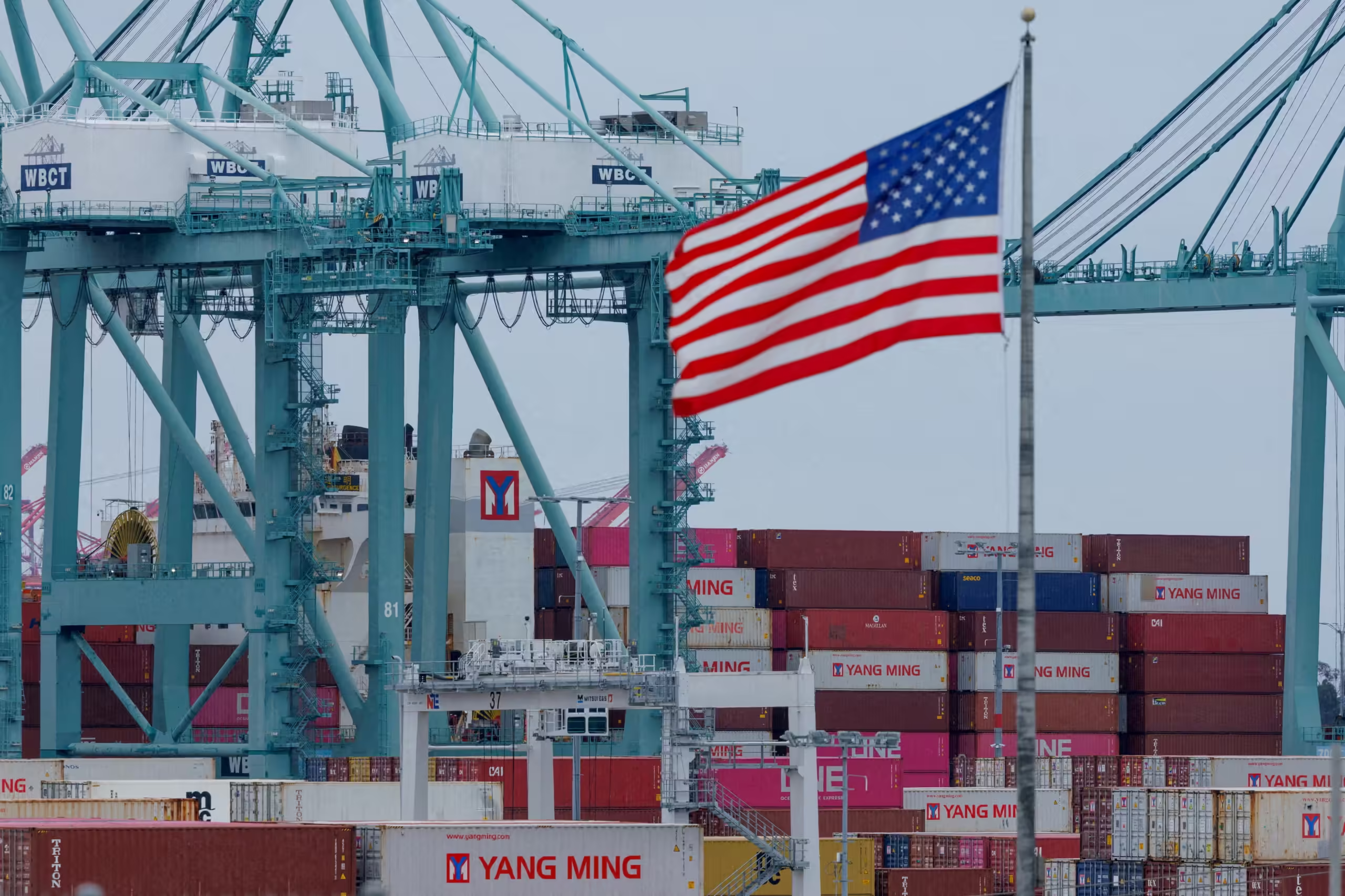
US Narrows Trade Focus Amid Urgency to Secure Deals Before Trump’s Tariff Deadline: FT Report
The United States is reportedly shifting its trade strategy, seeking more limited and targeted trade agreements with international partners in a bid to secure quick wins before a looming tariff deadline set by former President Donald Trump. According to the Financial Times (FT), which cites sources familiar with the discussions, trade officials are focusing on streamlining negotiations and accelerating timelines to conclude agreements ahead of the July 9 cutoff. A Strategic Pivot in US Trade Policy Rather than pursuing broad and comprehensive trade pacts, U.S. trade officials are now emphasizing smaller, more manageable deals. This pivot is seen as a strategic move aimed at achieving tangible progress under intense time pressure. With Trump’s July 9 tariff deadline approaching, there is increasing urgency to finalize agreements that could help shield key trading partners from punitive tariffs or provide the Biden administration with leverage in broader geopolitical or economic matters. While Reuters has not independently verified the FT’s report, the move reflects growing concerns within the administration about the political and economic consequences of failing to address trade imbalances or secure protections for American industries. Deadline Driven by Trump-Era Tariffs The July 9 deadline is tied to provisions and reviews stemming from tariff policies enacted during the Trump presidency. These tariffs, often imposed under Section 301 of the Trade Act of 1974, primarily targeted imports from China and other countries deemed to be engaging in unfair trade practices. The reviews scheduled around this date are expected to influence the future direction of U.S. trade enforcement strategies. Many U.S. companies and industry groups have been lobbying for clarity on the administration’s trade stance, fearing that extended uncertainty or additional tariffs could disrupt supply chains and dampen investment. With these concerns in mind, U.S. negotiators are working rapidly to conclude narrowly scoped deals that could either delay or mitigate the impact of new or reinstated tariffs. Targeted Negotiations with Key Partners According to FT’s sources, negotiations are being fast-tracked with several strategic partners, though the specific countries involved were not disclosed in detail. The report suggests that the U.S. is looking for agreements focused on specific sectors—such as agriculture, semiconductors, clean energy, and digital services—rather than comprehensive free trade agreements (FTAs). These sector-specific deals are considered more achievable in the short term and may provide mutual benefits without requiring full-scale renegotiation of broader economic policies. They also offer the advantage of being more politically palatable domestically, particularly at a time when protectionist sentiment remains high. Political and Economic Implications The shift toward narrower trade deals comes as the Biden administration faces mounting pressure from both domestic industry and international allies. Many U.S. businesses are looking for stability and predictability in trade policy, while some foreign governments are frustrated by the lack of progress on major agreements. The urgency is also driven by the upcoming U.S. presidential election cycle. Trade policy has become a politically charged issue, and the administration is eager to avoid headlines about job losses or economic disruptions tied to unresolved trade tensions. By securing even limited agreements, the White House can claim victories in areas like boosting exports or protecting critical supply chains. Trade Talks in a Complex Global Landscape This strategic recalibration in trade policy is taking place against a backdrop of broader global economic uncertainty. The ongoing conflict in Ukraine, geopolitical tensions with China, and the slow post-pandemic recovery in many economies have complicated traditional trade diplomacy. Moreover, the U.S. has been increasingly using trade as a tool of foreign policy—aligning economic engagement with national security concerns, especially in relation to technology transfers, energy partnerships, and rare earth minerals. These factors add layers of complexity to negotiations, even for smaller deals. Concerns Over Transparency and Long-Term Vision Despite the potential short-term benefits, critics have raised concerns about the lack of transparency in the current round of negotiations. Some trade experts argue that without broader public consultation and legislative oversight, these narrower deals could lead to fragmented trade policy or unintended economic consequences. Additionally, there is skepticism about whether short-term, narrowly focused deals can effectively address the systemic issues at the heart of U.S. trade imbalances—such as intellectual property theft, forced technology transfer, and non-tariff barriers in key markets. Industry Reactions and Market Watch Business groups have responded cautiously to the FT report. While many welcome any effort to bring clarity to trade relationships and avert additional tariffs, there is a general preference for comprehensive and predictable agreements that offer long-term benefits. Industries with significant exposure to global supply chains—such as automotive, electronics, and agriculture—are especially concerned about the potential fallout if no agreements are reached before the deadline. Some have intensified lobbying efforts in Washington, urging officials to prioritize negotiations with their most critical partners. Conclusion: A Race Against Time With just days remaining before the Trump-era tariff review deadline, the Biden administration’s trade team is in a race against time. By narrowing the scope of negotiations, they hope to deliver concrete wins that can serve both strategic and political purposes. Whether these deals will be enough to satisfy stakeholders at home and abroad remains to be seen. What is clear, however, is that U.S. trade policy continues to evolve in response to shifting global realities—and the decisions made in the coming days could shape economic relations for years to come.

Pakistan’s Ambassador to China Visits Khorgos Free Trade Zone to Strengthen Trade Connectivity
Strengthening Bilateral Trade Infrastructure Pakistan’s Ambassador to China, Khalil Hashmi, recently undertook a comprehensive visit to the Khorgos Free Trade Zone located in northern Xinjiang. This visit underscores Pakistan’s growing interest in tapping into China’s advanced trade infrastructure and boosting regional connectivity, particularly between Pakistan, China, and Central Asia. During his visit, Ambassador Hashmi was given a detailed tour of the Khorgos Free Trade Zone—one of the most strategic economic and logistical hubs in the region. Known for its pivotal role in facilitating trans-border trade, Khorgos has evolved into a symbol of the Belt and Road Initiative’s (BRI) success in regional integration and economic cooperation. Khorgos: A Unique Triad of Trade, Transit, and Cooperation The Khorgos Free Trade Zone is unique in its configuration and operation. It functions simultaneously as China’s busiest inland dry port, a border gate connecting to Kazakhstan, and a cooperation centre designed to facilitate the free movement of goods and people. Strategically located along the China-Kazakhstan border, Khorgos has become an essential node in the New Eurasian Land Bridge—a major component of the BRI. This multimodal logistics hub not only enhances trade efficiency but also creates immense opportunities for businesses and regional economies. The ambassador was briefed on how Khorgos has evolved into a sixth-generation port, leveraging cutting-edge technology, smart customs clearance, and integrated logistics systems to streamline cross-border trade. Engagement with Local Leadership As part of his visit, Ambassador Hashmi held productive discussions with local Chinese officials and representatives of the trade zone. Their conversations revolved around the transformation of Khorgos into a world-class inland port and its positive impact on regional commerce and connectivity. The ambassador expressed Pakistan’s admiration for China’s efforts in developing this model dry port, which has become a benchmark in logistics and customs innovation. The two sides discussed the various technical, operational, and policy measures implemented at Khorgos to facilitate seamless trade and people-to-people interaction. Vision for Pakistan-China Collaboration at the Khunjerab Border A key focus of the discussions was how to apply the successful practices from Khorgos to Pakistan’s own Khunjerab dry port, which serves as the main border crossing point between Pakistan and China. The Khunjerab Pass, though already significant in the context of the China-Pakistan Economic Corridor (CPEC), is yet to reach its full potential in terms of trade facilitation and infrastructure development. Both sides explored potential avenues for collaboration, including: Knowledge Exchange: Sharing operational frameworks, customs integration models, and digital infrastructure techniques. Capacity Building: Training Pakistani customs and logistics personnel based on Khorgos’ best practices. Joint Ventures: Encouraging investment from Chinese enterprises in upgrading the Khunjerab port facilities. Policy Alignment: Coordinating bilateral efforts to streamline border clearance procedures and enhance transport connectivity. Ambassador Hashmi highlighted the importance of transforming Khunjerab into a high-capacity dry port that can match global standards, much like Khorgos, in order to effectively support Pakistan’s export ambitions and regional trade integration. Part of a Broader Diplomatic Engagement in Xinjiang This visit to Khorgos was part of Ambassador Hashmi’s broader official tour of Xinjiang, aimed at fostering regional cooperation and people-to-people engagement between Pakistan and China. His engagements included meetings with government authorities, business leaders, and community stakeholders. The ambassador reiterated Pakistan’s unwavering commitment to strengthening its ties with China, especially through practical cooperation in infrastructure, trade, and investment. He emphasized that Xinjiang’s growing prominence as a trade and logistics hub presents numerous opportunities for Pakistan to integrate more effectively into regional and global supply chains. The Role of Khorgos in the Belt and Road Initiative Khorgos represents a cornerstone of China’s ambitious Belt and Road Initiative. The trade zone exemplifies how infrastructural development, combined with efficient policy frameworks, can transform remote border regions into vibrant economic corridors. For countries like Pakistan, Khorgos serves not just as a model but also as a gateway to Central Asia and Europe. With the China-Pakistan Economic Corridor acting as a flagship BRI project, lessons from Khorgos could be instrumental in turning CPEC into a fully functional trade corridor that benefits not only Pakistan and China but the broader region as well. Looking Ahead: Building a Shared Future Ambassador Hashmi’s visit to the Khorgos Free Trade Zone has laid the groundwork for deepened cooperation between Pakistan and China in the fields of logistics, trade facilitation, and border management. By adopting innovative practices from Khorgos and fostering institutional collaboration, Pakistan hopes to enhance its own trade infrastructure and contribute meaningfully to regional economic integration. As both nations continue to expand the scope of their strategic partnership, initiatives like these underscore the commitment to building a shared future rooted in connectivity, prosperity, and mutual development.

Torrent Pharma Resumes Talks to Acquire KKR’s Stake in JB Chemicals
Ahmedabad-based pharmaceutical giant Torrent Pharmaceuticals has reportedly reignited discussions with global private equity firm KKR & Co. to acquire its substantial stake in JB Chemicals & Pharmaceuticals Ltd (JB Chem), a Mumbai-headquartered pharmaceutical company. The potential transaction, estimated to be worth around ₹20,000 crore, could significantly reshape the Indian pharmaceutical landscape if finalized. Valuation and Stake Details According to sources familiar with the matter, KKR holds approximately a 48% stake in JB Chem. At the stock’s closing price of ₹1,803 on the Bombay Stock Exchange (BSE) as of Friday, KKR’s shareholding is valued at around ₹13,400 crore. If Torrent Pharma proceeds with the acquisition, it would not only acquire the PE firm’s stake but also trigger an open offer, as mandated under the Securities and Exchange Board of India (SEBI) regulations. Open Offer Requirement Upon acquiring a controlling stake from KKR, Torrent Pharma would be obligated to make an open offer to the public shareholders of JB Chem. This offer could be for up to 26% of the remaining stake, translating into an additional multi-thousand crore outlay, depending on the offer price. The total acquisition cost, including the open offer, may approach ₹20,000 crore, according to estimates. History of the Deal This is not the first time Torrent Pharma has expressed interest in JB Chem. Talks were previously initiated in 2023 but were reportedly halted due to differences in valuation expectations between KKR and prospective buyers, including Torrent Pharma and Bengaluru-based Micro Labs. However, the current revival of discussions suggests that either the valuation gap has narrowed or strategic priorities have changed. Strategic Rationale for Torrent Pharma Torrent Pharma’s interest in JB Chem is believed to be driven by multiple strategic factors: Therapeutic Synergy: JB Chem has a strong presence in segments like gastrointestinal, anti-infectives, and cardiovascular therapies, which align with Torrent’s core focus areas. International Footprint: JB Chem has a diversified revenue base with significant contributions from international markets such as Russia, South Africa, and the US, which would enhance Torrent’s global reach. Operational Efficiency: JB Chem’s manufacturing facilities and R&D assets could complement Torrent’s existing infrastructure, offering cost and productivity advantages. Revenue Boost: A successful acquisition could instantly boost Torrent Pharma’s topline and bottom-line, enhancing shareholder value. About JB Chemicals & Pharmaceuticals Founded in 1976, JB Chem has grown into one of India’s leading mid-sized pharmaceutical companies. Known for its flagship brand “Metrogyl” and other high-selling formulations, the company has consistently delivered robust performance both domestically and internationally. The company has also ramped up its US business through filings and approvals for generic drugs. About KKR’s Investment in JB Chem KKR acquired its stake in JB Chemicals in 2020 for approximately ₹3,100 crore. Since then, under its stewardship, JB Chem has undertaken significant structural and operational transformations, including strengthening its global supply chains and increasing product registrations overseas. The investment has nearly quadrupled in value, marking a potentially lucrative exit for the PE firm. Deal Status and Future Outlook Sources indicate that the deal may be close to being finalized, although no definitive agreement has yet been signed. Market watchers believe that this acquisition could close within the next quarter if both parties agree on final terms and regulatory approvals are secured promptly. Despite repeated attempts, representatives of Torrent Pharmaceuticals and JB Chemicals did not respond to requests for comments. KKR officials were also unavailable for confirmation or further details. Industry Impact If the deal goes through, it would mark one of the largest acquisitions in the Indian pharmaceutical sector. The move would further consolidate Torrent’s position among India’s top pharmaceutical companies and reflect the growing trend of domestic giants reclaiming stakes from global PE investors. It also demonstrates the continued attractiveness of Indian pharma assets to strategic investors, especially in the context of rising global demand for cost-effective generics and specialty pharmaceuticals. Challenges and Considerations While the acquisition offers several benefits, it is not without challenges. Integration of JB Chem’s operations into Torrent’s fold would require meticulous planning. Regulatory hurdles, employee integration, and potential cultural mismatches could also be areas of concern. Moreover, the financing of such a large transaction will likely involve a mix of internal accruals and external funding, which could impact Torrent’s balance sheet in the short term. Conclusion Torrent Pharma’s revived interest in acquiring KKR’s stake in JB Chemicals signals a bold strategic move aimed at expansion, diversification, and market dominance. If the transaction materializes, it will not only represent a significant consolidation within the Indian pharma sector but also underline the increasing confidence of Indian companies in large-scale M&A activity.
Torrent Pharma Resumes Talks to Acquire KKR’s Stake in JB Chemicals
Ahmedabad-based pharmaceutical giant Torrent Pharmaceuticals has reportedly reignited discussions with global private equity firm KKR & Co. to acquire its substantial stake in JB Chemicals & Pharmaceuticals Ltd (JB Chem), a Mumbai-headquartered pharmaceutical company. The potential transaction, estimated to be worth around ₹20,000 crore, could significantly reshape the Indian pharmaceutical landscape if finalized. Valuation and Stake Details According to sources familiar with the matter, KKR holds approximately a 48% stake in JB Chem. At the stock’s closing price of ₹1,803 on the Bombay Stock Exchange (BSE) as of Friday, KKR’s shareholding is valued at around ₹13,400 crore. If Torrent Pharma proceeds with the acquisition, it would not only acquire the PE firm’s stake but also trigger an open offer, as mandated under the Securities and Exchange Board of India (SEBI) regulations. Open Offer Requirement Upon acquiring a controlling stake from KKR, Torrent Pharma would be obligated to make an open offer to the public shareholders of JB Chem. This offer could be for up to 26% of the remaining stake, translating into an additional multi-thousand crore outlay, depending on the offer price. The total acquisition cost, including the open offer, may approach ₹20,000 crore, according to estimates. History of the Deal This is not the first time Torrent Pharma has expressed interest in JB Chem. Talks were previously initiated in 2023 but were reportedly halted due to differences in valuation expectations between KKR and prospective buyers, including Torrent Pharma and Bengaluru-based Micro Labs. However, the current revival of discussions suggests that either the valuation gap has narrowed or strategic priorities have changed. Strategic Rationale for Torrent Pharma Torrent Pharma’s interest in JB Chem is believed to be driven by multiple strategic factors: Therapeutic Synergy: JB Chem has a strong presence in segments like gastrointestinal, anti-infectives, and cardiovascular therapies, which align with Torrent’s core focus areas. International Footprint: JB Chem has a diversified revenue base with significant contributions from international markets such as Russia, South Africa, and the US, which would enhance Torrent’s global reach. Operational Efficiency: JB Chem’s manufacturing facilities and R&D assets could complement Torrent’s existing infrastructure, offering cost and productivity advantages. Revenue Boost: A successful acquisition could instantly boost Torrent Pharma’s topline and bottom-line, enhancing shareholder value. About JB Chemicals & Pharmaceuticals Founded in 1976, JB Chem has grown into one of India’s leading mid-sized pharmaceutical companies. Known for its flagship brand “Metrogyl” and other high-selling formulations, the company has consistently delivered robust performance both domestically and internationally. The company has also ramped up its US business through filings and approvals for generic drugs. About KKR’s Investment in JB Chem KKR acquired its stake in JB Chemicals in 2020 for approximately ₹3,100 crore. Since then, under its stewardship, JB Chem has undertaken significant structural and operational transformations, including strengthening its global supply chains and increasing product registrations overseas. The investment has nearly quadrupled in value, marking a potentially lucrative exit for the PE firm. Deal Status and Future Outlook Sources indicate that the deal may be close to being finalized, although no definitive agreement has yet been signed. Market watchers believe that this acquisition could close within the next quarter if both parties agree on final terms and regulatory approvals are secured promptly. Despite repeated attempts, representatives of Torrent Pharmaceuticals and JB Chemicals did not respond to requests for comments. KKR officials were also unavailable for confirmation or further details. Industry Impact If the deal goes through, it would mark one of the largest acquisitions in the Indian pharmaceutical sector. The move would further consolidate Torrent’s position among India’s top pharmaceutical companies and reflect the growing trend of domestic giants reclaiming stakes from global PE investors. It also demonstrates the continued attractiveness of Indian pharma assets to strategic investors, especially in the context of rising global demand for cost-effective generics and specialty pharmaceuticals. Challenges and Considerations While the acquisition offers several benefits, it is not without challenges. Integration of JB Chem’s operations into Torrent’s fold would require meticulous planning. Regulatory hurdles, employee integration, and potential cultural mismatches could also be areas of concern. Moreover, the financing of such a large transaction will likely involve a mix of internal accruals and external funding, which could impact Torrent’s balance sheet in the short term. Conclusion Torrent Pharma’s revived interest in acquiring KKR’s stake in JB Chemicals signals a bold strategic move aimed at expansion, diversification, and market dominance. If the transaction materializes, it will not only represent a significant consolidation within the Indian pharma sector but also underline the increasing confidence of Indian companies in large-scale M&A activity. Industry analysts and investors alike will be closely monitoring further developments as the deal progresses toward closure.

Indian Hotels Dividend Alert: Last Day to Buy Shares to Qualify for Rs 2.25 Payout
Investors eyeing dividend income from Indian Hotels Company Limited (IHCL) should mark their calendars for an important deadline. This Friday holds special significance for shareholders and market participants, as it represents the last trading session to buy IHCL shares and become eligible for the company’s declared dividend. Let’s dive into the details surrounding the dividend announcement, the significance of the record and ex-dividend dates, and what investors should keep in mind. Final Dividend Announcement by Indian Hotels Indian Hotels, a leading player in India’s hospitality sector and the parent company of the iconic Taj Hotels chain, has declared a final dividend of ₹2.25 per equity share for its shareholders. This announcement reflects the company’s solid financial performance and its intent to reward long-term investors. The dividend is part of Indian Hotels’ broader strategy of sharing profits while continuing to invest in operational growth, sustainability, and expansion initiatives. Record Date and Ex-Dividend Date Explained To understand dividend eligibility, it’s important to know two key dates: the record date and the ex-dividend date. 📅 Record Date – June 30, 2025 The company has set June 30, 2025 as the record date for determining eligible shareholders. This means only those who hold Indian Hotels shares as per the company’s register by the end of this date will receive the dividend. 🔁 Ex-Dividend Date – Usually a Day Prior Typically, the ex-dividend date is one business day before the record date. On this date, the stock starts trading without the value of the upcoming dividend. For Indian Hotels, the ex-dividend date is likely June 27, 2025 (assuming June 30 is a working day and not a holiday). Investors who purchase the stock on or after the ex-dividend date will not be eligible to receive the declared ₹2.25 per share dividend. Why Friday Matters for Investors Friday’s trading session (June 27, 2025) is the cutoff point for eligibility. Anyone looking to receive the dividend must purchase Indian Hotels shares no later than this date. If you buy the stock on Monday, June 30, or afterward, you will miss out on this dividend round. Given this, market action around the stock could witness heightened trading volumes as dividend-seeking investors adjust their positions. Impact of Ex-Dividend on Share Price When a stock goes ex-dividend, its market price often adjusts to reflect the dividend payout. For Indian Hotels, this could mean a marginal price correction of around ₹2.25 per share, assuming all other factors remain constant. This price adjustment is normal and reflects the fact that new buyers post the ex-dividend date will not receive the dividend benefit. Company Overview: Indian Hotels at a Glance Indian Hotels Company Limited (IHCL) is one of India’s most prestigious hospitality groups. Operating under multiple brands including Taj, Vivanta, SeleQtions, and Ginger, the company manages a wide portfolio of luxury and business hotels across India and overseas. The company’s performance has shown resilience and strong recovery post-COVID, with record bookings, strategic asset-light expansions, and consistent financial results. Financial Performance Highlights Here are some highlights from Indian Hotels’ recent financials: Strong revenue growth, led by an uptick in tourism and corporate travel. Improved occupancy rates and average room rates (ARRs) across key properties. Healthy EBITDA margins and efficient cost controls. Multiple new hotel openings and signed agreements across India and abroad. This robust performance is likely what enabled the board to declare a higher final dividend for FY2024–25.