

Russia Central Bank Key Rate Soars to 21% | BizBlog News Russia’s Central Bank Raises Key Rate to 21% to Rein in Higher-than-Forecast Inflation In a bold and strategic move, Russia’s central bank raised its key interest rate to 21% to tackle inflation, which has been climbing faster than expected. As the country grapples with rising consumer prices, this rate hike is designed to stabilize the economy and control inflationary pressures. The decision highlights the Russian government’s proactive stance in addressing economic turbulence and aims to set a sustainable course for future growth. Why Did Russia’s Central Bank Raise the Key Rate? The Russian central bank increased the key rate to 21% due to unexpected inflationary pressures that have hit the economy. The move is part of an ongoing strategy to stabilize the ruble, curb domestic price surges, and create a more predictable economic environment. Over the past year, global inflationary trends, partly fueled by fluctuating oil prices and geopolitical tensions, have added significant pressure on Russia’s economy. For the central bank, controlling inflation through higher rates has become essential, as unchecked inflation could lead to a further decline in purchasing power for ordinary Russians and escalate economic instability. Understanding the Key Interest Rate and Its Economic Impact The key interest rate is a crucial economic tool that impacts borrowing costs, currency stability, and overall economic growth. When a central bank increases its key rate, borrowing becomes more expensive, slowing down spending and reducing inflationary pressures. By raising the key rate to 21%, Russia’s central bank is sending a clear signal: it’s committed to combating inflation aggressively, even at the expense of slowing economic growth temporarily. This approach aims to protect the ruble’s value, restore investor confidence, and curb consumer spending, thereby reducing the demand-pull factors contributing to rising prices. How This Rate Hike Affects Russian Consumers and Businesses Higher interest rates can have a ripple effect across various sectors. For consumers, the increase means higher loan repayment costs, which could dampen spending on big-ticket items like cars and real estate. For businesses, borrowing becomes more expensive, leading to potential delays in expansion plans or investments. Small and medium enterprises, in particular, may feel the pinch as they grapple with rising costs and reduced access to affordable credit. Additionally, as businesses reduce spending and hiring, the job market may face a cooling effect, impacting the broader economy. Russia’s Inflation Outlook and Economic Policy Challenges The central bank’s rate hike is not merely a short-term fix; it’s part of a broader effort to restore economic balance in Russia. By increasing the key rate, policymakers aim to curb inflation expectations and ensure that price stability becomes a long-term economic feature. Despite these efforts, challenges remain. Global market dynamics, including energy prices and international sanctions, continue to play a significant role in shaping Russia’s inflation outlook. For Russia, navigating these external pressures while implementing domestic policy solutions is a delicate balancing act. What Higher Rates Mean for the Ruble and Foreign Investors The rate hike is also expected to strengthen the ruble, making it more attractive for foreign investors looking for higher yields. A stronger ruble can help Russia maintain purchasing power for imported goods, thereby reducing some of the external inflationary pressures on its economy. Foreign investors may find Russia’s bond market appealing, given the higher yields resulting from the increased rate. However, the volatile economic and political landscape may keep some investors on the sidelines, wary of long-term commitments. Historical Context: Comparing Russia’s Rate Hikes with Other Economies Russia is no stranger to aggressive rate hikes, particularly in times of economic instability. In recent history, other economies have used similar measures to stabilize their currency and control inflation. For instance, in the late 1970s and early 1980s, the U.S. Federal Reserve raised interest rates drastically to tackle hyperinflation, leading to a recession but ultimately stabilizing the economy. Russia’s current move mirrors such policies, with a focus on long-term stability even if it brings short-term challenges. The Central Bank’s Strategy Moving Forward Moving forward, Russia’s central bank will likely continue to monitor inflation trends closely. The institution has indicated that additional rate adjustments are possible if inflation continues to rise or if external factors, such as commodity prices, increase. By being flexible with its monetary policy, the central bank aims to create a buffer against potential economic shocks. However, sustained high rates are not expected indefinitely; the central bank may lower rates once inflationary pressures subside, balancing economic growth with price stability. UseFull Links Marketing Ford EV Sales Surge with New Benefits Program | BizBlog News October 1, 2024/No Comments Ford Aims to Boost EV Sales, Address Owner Concerns with New Benefits Program Electric vehicles (EVs) are the future of… Read More HubSpot’s AI-Powered Marketing Tools Revolutionize Marketing – BizBlogs News September 19, 2024/No Comments HubSpot’s AI-Powered Marketing Tools: The Direction of the Future of Marketing In today’s digital age, AI (Artificial Intelligence) has made… Read More SEO Expert Meeting: Candid Search Conversations [Podcast] – Bizblogs News September 16, 2024/No Comments SEO Expert Meeting: Honest Conversations on Search [Podcast] Introduction In today’s digital age, SEO i.e. Search Engine Optimization has become… Read More Load More End of Content. UseFull Links Home About Stories Contact Technology Apple Working on AI-enabled HomePod with Touchscreen | Bizblog News September 28, 2024/No Comments Apple Working on AI-enabled HomePod with Touchscreen and Video Conferencing Features: Report In recent years, Apple has consistently pushed the… Read More Gen AI Industries: Insights from FLAME University VC – BizBlog News September 27, 2024/No Comments Gen AI is Here to Stay, Students Should Be Skilled in AI to Stay Ahead: FLAME University VC Artificial Intelligence… Read More How to Pay Credit Card Bills Like a Pro – Biz Blogs News September 20, 2024/No Comments How to Pay Credit Card Bills? Navigate Online and Offline Options Like a Pro Managing credit card bills can sometimes… Read More Load More End of Content.

Lilium Air Taxi Faces Insolvency | BizBlog News Update
Lilium Air Taxi Faces Insolvency | BizBlog News Update Air Taxi Firm Lilium Shares Plunge 53% After Company Says Main Subsidiaries Will File for Insolvency In a shocking turn of events, Lilium, the pioneering air taxi firm, saw its shares crash by a staggering 53% after the company announced that its main subsidiaries would be filing for insolvency. This announcement has sent ripples through the aviation industry, raising questions about the future of electric vertical takeoff and landing (eVTOL) technology and the air mobility revolution. Lilium’s bold vision to transform urban transportation with electric air taxis seemed promising. However, financial struggles have now cast doubt on whether the company can fulfill its ambitions. Let’s delve deeper into what this development means for Lilium, its investors, and the wider air taxi industry. Lilium’s Insolvency: A Grim Reality or a Strategic Move? The term “insolvency” often triggers alarm bells for investors and customers alike, but in Lilium’s case, the situation is more nuanced. Insolvency doesn’t necessarily mean the end of the road for the company. Filing for insolvency can also be a strategic move to restructure debts, protect assets, and re-align the business for future sustainability. However, the dramatic drop in stock prices suggests that the market views this as a significant blow to Lilium’s credibility and future prospects. It’s critical to understand what led to this financial instability. Lilium has been investing heavily in research, development, and testing of its eVTOL aircraft, which are designed to provide quick, quiet, and eco-friendly urban air transportation. Yet, the cost of bringing such futuristic technology to market is immense, and revenue from these investments is yet to materialize. This gap between high costs and low immediate returns could explain why the company finds itself in financial distress. What Does This Mean for the Air Taxi Market? Lilium’s downfall sends a sobering signal to other companies within the air taxi sector. The air mobility market has been filled with hype, with many tech startups vying to be the first to commercialize electric flying vehicles. However, Lilium’s recent troubles highlight just how capital-intensive and risky this industry is. The development of safe, scalable, and cost-effective air taxis is an extraordinary challenge, with hurdles ranging from regulatory approval to infrastructure needs. For investors, this plunge in Lilium’s stock price is a reminder that air taxi companies are far from guaranteed successes. While there is undeniable potential in the market, there’s also significant risk. The technology is still in its infancy, and many regulatory and financial uncertainties remain. How Did Investors React to Lilium’s Announcement? Unsurprisingly, investors responded swiftly and negatively to the news of Lilium’s subsidiaries filing for insolvency. The company’s stock, which had already been volatile, dropped by over half its value. Such a massive plunge in share prices reflects a loss of confidence in Lilium’s ability to navigate its current challenges and deliver on its promises of creating a commercially viable air taxi fleet. Shareholders who were previously bullish about Lilium’s disruptive potential are now reconsidering their positions, and there is speculation that the company may struggle to secure the additional funding it desperately needs. It’s also worth noting that this is not the first time Lilium has faced financial troubles. Earlier this year, the company issued a warning about potential liquidity issues, which may have foreshadowed this more dramatic development. The Path Forward: Can Lilium Survive the Storm? While the insolvency filing is a clear setback, it doesn’t necessarily spell the end for Lilium. Insolvency can sometimes serve as a temporary solution that allows companies to regroup, restructure, and emerge more resilient. However, Lilium will need to reassess its operational strategy, secure new funding, and restore investor confidence. One possible option for Lilium is to seek strategic partnerships or acquisitions. Companies in the aviation or technology sectors that see long-term value in the air taxi market may be interested in acquiring Lilium’s intellectual property, technology, or infrastructure. Additionally, government support or bailouts could be another potential lifeline, particularly if policymakers believe that air taxis are crucial for future urban transportation systems. The Bigger Picture: Is the Air Taxi Dream Fading? Lilium’s financial troubles inevitably raise the question: Is the air taxi dream fading, or is this just a bump in the road? The idea of zipping across cities in electric flying cars has long captured the imagination of both the public and investors. However, turning this vision into reality has proven more difficult than many anticipated. The air taxi market still has enormous potential, with analysts predicting it could become a multi-billion-dollar industry in the coming decades. But Lilium’s struggles serve as a wake-up call for both companies and investors: the road to success will be long, capital-intensive, and fraught with challenges. while Lilium’s dramatic stock plunge and insolvency filings are undeniably concerning, they are not the final chapter in the air taxi saga. Whether Lilium can survive this crisis or not, the broader dream of urban air mobility is likely to persist, albeit with more caution and realistic expectations moving forward. UseFull Links Marketing Ford EV Sales Surge with New Benefits Program | BizBlog News October 1, 2024/No Comments Ford Aims to Boost EV Sales, Address Owner Concerns with New Benefits Program Electric vehicles (EVs) are the future of… Read More HubSpot’s AI-Powered Marketing Tools Revolutionize Marketing – BizBlogs News September 19, 2024/No Comments HubSpot’s AI-Powered Marketing Tools: The Direction of the Future of Marketing In today’s digital age, AI (Artificial Intelligence) has made… Read More SEO Expert Meeting: Candid Search Conversations [Podcast] – Bizblogs News September 16, 2024/No Comments SEO Expert Meeting: Honest Conversations on Search [Podcast] Introduction In today’s digital age, SEO i.e. Search Engine Optimization has become… Read More Load More End of Content. UseFull Links Home About Stories Contact Technology Apple Working on AI-enabled HomePod with Touchscreen | Bizblog News September 28, 2024/No Comments Apple Working on AI-enabled HomePod with Touchscreen and Video Conferencing Features: Report In recent years, Apple has consistently pushed the… Read More Gen AI

US Weekly Jobless Claims Fall, Continuing Claims Reach Three-Year High | BizBlog News
US Weekly Jobless Claims Fall, Continuing Claims Reach Three-Year High | BizBlog News US Weekly Jobless Claims Fall; Continuing Claims Hit Highest Level in Three Years The U.S. labor market continues to show mixed signals as the weekly jobless claims drop while continuing claims rise to their highest point in three years. These developments reflect a dynamic, shifting job market where some sectors are stabilizing, but others still struggle with workforce adjustments. In recent months, the labor market has seen an influx of reports highlighting both encouraging and concerning trends. Jobless claims—one of the key indicators used to measure the health of the employment sector—remain central to this evolving narrative. Understanding US Weekly Jobless Claims When analyzing the U.S. labor market, weekly jobless claims offer one of the most real-time views of layoffs and workforce reductions. Jobless claims refer to the number of people who have filed for unemployment benefits after losing their jobs. These claims provide critical insight into the immediate economic situation and are a key data point for economists and policymakers. The latest reports show a decline in new jobless claims, which is a positive indicator suggesting fewer people are losing their jobs. For the labor market, a decrease in claims usually signals that companies are holding on to their employees, reflecting resilience and recovery in some industries. However, the story doesn’t end there. While weekly jobless claims have declined, continuing claims—those who have been collecting unemployment benefits for at least two weeks—have surged, hitting their highest levels in three years. This presents a different picture and raises important questions about the sustainability of the job market’s recovery. What Does the Drop in Weekly Jobless Claims Mean? The reduction in weekly jobless claims is a positive development for the U.S. economy. It suggests that the initial shock of pandemic-related layoffs is starting to stabilize. Employers are not initiating as many layoffs, and some sectors are benefiting from increased consumer demand and a rebound in business activity. With fewer layoffs occurring, workers can feel more confident about their job security, which in turn boosts consumer spending—a critical engine of the U.S. economy. Retail, hospitality, and healthcare sectors have seen particularly encouraging trends, with increased hiring and fewer layoffs compared to last year. But this isn’t a universal trend. The tech sector, for instance, has witnessed periodic rounds of layoffs amid shifting business models and cost-cutting strategies. Moreover, industries heavily reliant on in-person services, like tourism, are still navigating a slow recovery. Overall, the decrease in weekly jobless claims paints a cautiously optimistic picture of an economy that, while not fully recovered, is making progress in some areas. Still, this doesn’t erase underlying challenges reflected in continuing claims data. Continuing Claims: Why Are They at a Three-Year High? While the drop in weekly claims is encouraging, the rise in continuing claims cannot be ignored. These continuing claims, sometimes referred to as “insured unemployment,” provide a window into how long people remain jobless after they initially file for unemployment benefits. The surge in continuing claims to a three-year high suggests that, while fewer people are losing their jobs, those who are already unemployed are finding it more difficult to re-enter the workforce. This could indicate a mismatch between the skills employers are looking for and the qualifications of available workers. It might also reflect regional disparities where certain areas face ongoing economic challenges while others thrive. Continuing claims rising could also signal other deeper issues within the labor market. Long-term unemployment can lead to skill deterioration, which makes it harder for individuals to return to work. This creates a feedback loop where prolonged unemployment begets more difficulty in securing employment. The high level of continuing claims also sheds light on the complex realities behind unemployment rates. While the headline unemployment rate might not seem alarming, the rise in continuing claims indicates a subset of the population is struggling to secure long-term employment, raising concerns about the durability of the economic recovery. Sectors Impacted the Most Different sectors are experiencing varying levels of recovery, which contributes to the contrasting jobless claims data. Industries like manufacturing, logistics, and certain service sectors have rebounded quickly as demand for goods and e-commerce has surged. On the other hand, industries like leisure, entertainment, and some parts of retail continue to struggle. The rise of remote work has also altered employment patterns, benefiting tech and digital services sectors but straining brick-and-mortar businesses. The healthcare sector, too, has faced mixed outcomes. While demand for healthcare workers is high, the burnout and turnover rates, particularly in roles like nursing and caregiving, have caused a continuous churn, complicating labor market dynamics in this essential field. Why Are Jobless Claims and Continuing Claims Diverging? The divergence between weekly jobless claims and continuing claims could stem from multiple factors. One key reason is the evolving nature of the post-pandemic economy. While certain industries have adjusted quickly and found their footing, others are still grappling with longer-term structural changes. One plausible explanation for the rise in continuing claims could be the difficulty some workers face in adapting to new job requirements. With technology accelerating the pace of change in the workplace, many positions now require more advanced skills. Workers without these skills may remain unemployed for longer periods. Another contributing factor is the uneven geographic recovery. Major metropolitan areas may see lower unemployment due to robust economic activity, while rural or economically depressed regions could continue facing higher jobless rates. In some cases, the geographical divide has left certain areas lagging behind in recovery. Additionally, labor force participation has been a persistent issue. With a growing number of people choosing early retirement, staying home to care for family, or opting out of the labor market for health reasons, the participation rate has yet to fully recover to pre-pandemic levels. The Role of Government Assistance Government assistance programs during the pandemic played a crucial role in supporting unemployed workers. However, many of these programs have since expired or been scaled back. The
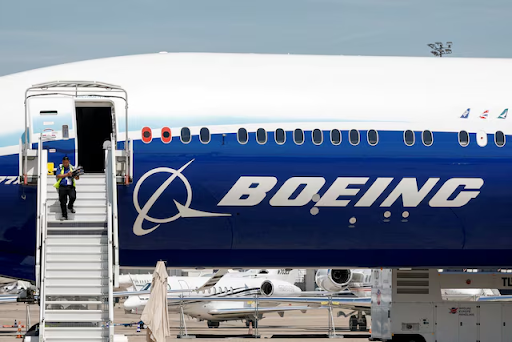
Boeing CEO Warns of Crisis as Planemaker’s Losses Hit $6 Billion | BizBlog News
Boeing CEO Warns of Crisis as Planemaker’s Losses Hit $6 Billion | BizBlog News Boeing CEO Warns of No Quick Fix as Planemaker’s Losses Balloon to $6 Billion Boeing’s struggles continue to deepen, and recent revelations by the company’s CEO indicate that a swift resolution is unlikely. The aerospace giant, already grappling with various challenges, now faces an alarming financial crisis. Losses have ballooned to a staggering $6 billion, with no immediate solution in sight. The Boeing CEO has made it clear that the company’s predicament is complex and will require time and careful management to overcome. Understanding the Impact of Rising Bond Yields on Wall St When bond yields rise, it typically signals higher interest rates and increasing borrowing costs, which can have ripple effects throughout the economy. For Wall Street, higher yields often result in lower stock prices, as they can make fixed-income investments more attractive than equities. Investors, therefore, shift their money away from stocks in favor of bonds, leading to sell-offs in the stock market. The Scope of Boeing’s Crisis Boeing, one of the most influential names in the aerospace industry, has been navigating turbulent times. Over the past few years, the company has faced a series of challenges that have severely impacted its financial health. From the fallout of the 737 Max crashes to supply chain disruptions and production delays, Boeing’s road to recovery has been anything but smooth. The $6 billion loss recently reported only adds to the mounting concerns. Boeing’s CEO has openly acknowledged the gravity of the situation, warning that there is no “quick fix” for the challenges ahead. This frank admission underscores the complexity of the issues Boeing is dealing with, spanning from production hurdles to broader industry-wide disruptions. The Factors Behind Boeing’s Mounting Losses Several factors have contributed to Boeing’s growing financial woes. The company’s commercial aircraft division, in particular, has been a significant source of losses. Production delays, especially in the manufacturing of key models like the 787 Dreamliner and the 737 Max, have severely impacted deliveries and customer confidence. On top of that, supply chain disruptions due to the global pandemic, compounded by labor shortages and rising costs, have only exacerbated Boeing’s problems. Additionally, Boeing’s defense sector, traditionally seen as a more stable and profitable part of the business, has also encountered issues. A series of production challenges and delays in key defense programs have added further strain to the company’s financial position. These setbacks have shaken investor confidence, and Boeing’s stock has reflected these ongoing concerns, underperforming compared to its industry peers. Boeing’s Leadership Response In response to these mounting challenges, Boeing’s leadership has been clear in its communication: patience is essential. Boeing CEO David Calhoun has emphasized that while the company is working diligently to address these issues, the road to recovery will be long and difficult. There is no magic bullet to resolve the deep-rooted challenges the company is facing. Calhoun has outlined a series of strategies aimed at steadying the ship. These include a renewed focus on quality control, improving relationships with suppliers, and addressing production bottlenecks. Boeing is also working closely with regulators to ensure that its products meet all safety and quality standards, particularly as the 737 Max returns to service around the globe. However, despite these efforts, Calhoun has made it clear that results won’t be immediate. Boeing’s struggles are systemic, requiring long-term solutions rather than short-term fixes. Boeing’s Industry Challenges and Global Impact Boeing’s crisis is not unfolding in a vacuum. The entire aerospace industry has been shaken by the events of the last few years. Global air travel, while recovering from the depths of the pandemic, has not yet returned to pre-2020 levels. This slower recovery has affected orders for new aircraft, further complicating Boeing’s financial recovery. Moreover, Boeing faces stiff competition from its European rival, Airbus. Airbus has managed to weather the storm more effectively, capturing a larger share of the global market. Boeing’s lag in production and delivery schedules has allowed Airbus to gain ground, especially in the narrow-body aircraft segment where the 737 Max competes with Airbus’s A320neo. Additionally, ongoing geopolitical tensions, particularly with key markets like China, have created further uncertainty for Boeing. The Chinese market represents a significant portion of global demand for commercial aircraft, and ongoing trade tensions have delayed crucial deals that Boeing was counting on for recovery. The Road Ahead for Boeing While the outlook for Boeing is certainly challenging, there is room for cautious optimism. The global demand for air travel is expected to continue growing in the coming years, driven by the recovery of both leisure and business travel. As airlines refresh their fleets, there will be opportunities for Boeing to capitalize on this demand—provided it can overcome its current challenges. Boeing’s management remains committed to addressing the issues plaguing the company. Key to this will be regaining the trust of both customers and investors, something that can only be achieved through consistent delivery of quality products and timely fulfillment of orders. Boeing is also working to improve its financial health by cutting costs and optimizing its operations. In the long run, Boeing’s deep expertise and established position in the market could help it bounce back. However, as the CEO has warned, there is no quick fix, and the company must brace for a prolonged period of recovery and rebuilding. UseFull Links Marketing Ford EV Sales Surge with New Benefits Program | BizBlog News October 1, 2024/No Comments Ford Aims to Boost EV Sales, Address Owner Concerns with New Benefits Program Electric vehicles (EVs) are the future of… Read More HubSpot’s AI-Powered Marketing Tools Revolutionize Marketing – BizBlogs News September 19, 2024/No Comments HubSpot’s AI-Powered Marketing Tools: The Direction of the Future of Marketing In today’s digital age, AI (Artificial Intelligence) has made… Read More SEO Expert Meeting: Candid Search Conversations [Podcast] – Bizblogs News September 16, 2024/No Comments SEO Expert Meeting: Honest Conversations on Search [Podcast] Introduction In today’s digital age, SEO i.e. Search Engine Optimization has

Wall St Loses Ground as Bond Yields Rise; McDonald’s, Coca-Cola Stocks Slip | BizBlog News
Wall St Loses Ground as Bond Yields Rise; McDonald’s, Coca-Cola Stocks Slip | BizBlog News Wall St Loses Ground as Bond Yields Rise; McDonald’s, Coca-Cola Slip The U.S. stock market experienced a downturn recently, as Wall Street lost ground amid rising bond yields. Market giants like McDonald’s and Coca-Cola saw their shares decline, reflecting growing concerns among investors. Rising bond yields often signal a shift in market sentiment, and this movement highlights the fragility of the current economic climate. As the pressure from higher yields mounts, many are left wondering about the impact on future earnings for these major corporations. In this article, we’ll break down the situation and explore how rising bond yields are influencing market dynamics. Understanding the Impact of Rising Bond Yields on Wall St When bond yields rise, it typically signals higher interest rates and increasing borrowing costs, which can have ripple effects throughout the economy. For Wall Street, higher yields often result in lower stock prices, as they can make fixed-income investments more attractive than equities. Investors, therefore, shift their money away from stocks in favor of bonds, leading to sell-offs in the stock market. Why Are Bond Yields Rising? Bond yields are often driven by various factors, including expectations of inflation, changes in monetary policy, and the overall economic outlook. Recently, the Federal Reserve’s hints of potential rate hikes have pushed bond yields higher. As inflation concerns persist, investors are demanding higher returns on bonds to compensate for the rising cost of living. This shift is creating challenges for stock market investors, especially those holding shares in consumer-facing companies like McDonald’s and Coca-Cola. McDonald’s and Coca-Cola: Giants Feeling the Pressure Even industry leaders like McDonald’s and Coca-Cola are not immune to the effects of rising bond yields. Both companies have long been viewed as stable investments with strong brand loyalty and global reach. However, as borrowing costs increase, even these titans may face challenges. McDonald’s has built its success on a model of affordable fast food and efficient operations, but rising interest rates could increase its cost of doing business. Higher borrowing costs may affect its ability to finance expansions, remodel stores, or invest in new technologies. Similarly, Coca-Cola relies on a vast global supply chain and extensive marketing campaigns. If borrowing becomes more expensive, it could put a strain on the company’s growth initiatives. Why Are McDonald’s and Coca-Cola Slipping? While both companies are financially sound, their stock prices reflect investor sentiment. When bond yields rise, the relative attractiveness of dividend-paying stocks, such as McDonald’s and Coca-Cola, may diminish. Investors often see bonds as a safer bet during times of market uncertainty, especially when interest rates are on the rise. As a result, these companies can see their stock values fall, even if their overall financial health remains robust. Market Sentiment and Broader Economic Impacts The current situation also speaks to broader concerns about the health of the global economy. Inflation remains a key issue, and the Federal Reserve’s aggressive stance on interest rates has many worried about a potential recession. Companies like McDonald’s and Coca-Cola are often seen as “safe” stocks, but even these stalwarts are feeling the weight of market volatility. Investor Response to Market Volatility In times of uncertainty, investors tend to move away from riskier assets and seek out more secure options. This “flight to safety” often benefits bonds, as they are considered lower-risk than stocks. Rising bond yields only reinforce this trend, pulling capital out of the stock market and driving down share prices. For McDonald’s and Coca-Cola, the recent dips in their stock prices could be a short-term reaction to these broader economic concerns. However, if bond yields continue to rise and inflation remains a pressing issue, these companies may need to reassess their strategies to maintain investor confidence. What Lies Ahead for Wall Street? The relationship between bond yields and stock prices is likely to remain a central theme in the coming months. As the Federal Reserve continues to signal potential interest rate hikes, investors will need to weigh the risks of holding equities against the relative safety of bonds. Companies like McDonald’s and Coca-Cola, with their strong balance sheets and global reach, may be able to weather the storm. However, the short-term outlook remains uncertain. Long-Term Outlook for McDonald’s and Coca-Cola Despite the recent downturn, both McDonald’s and Coca-Cola have proven to be resilient businesses over the decades. Their ability to adapt to changing market conditions has been a key factor in their long-term success. However, they must continue to innovate and respond to new challenges, especially as the economic landscape shifts due to rising bond yields and inflationary pressures. For investors, the key takeaway is to remain cautious but not overly pessimistic. While rising bond yields are affecting stock prices in the short term, the fundamentals of these companies remain strong. It may take time for the market to adjust to new interest rate realities, but long-term investors could see opportunities emerge as the dust settles. UseFull Links Marketing Ford EV Sales Surge with New Benefits Program | BizBlog News October 1, 2024/No Comments Ford Aims to Boost EV Sales, Address Owner Concerns with New Benefits Program Electric vehicles (EVs) are the future of… Read More HubSpot’s AI-Powered Marketing Tools Revolutionize Marketing – BizBlogs News September 19, 2024/No Comments HubSpot’s AI-Powered Marketing Tools: The Direction of the Future of Marketing In today’s digital age, AI (Artificial Intelligence) has made… Read More SEO Expert Meeting: Candid Search Conversations [Podcast] – Bizblogs News September 16, 2024/No Comments SEO Expert Meeting: Honest Conversations on Search [Podcast] Introduction In today’s digital age, SEO i.e. Search Engine Optimization has become… Read More Load More End of Content. UseFull Links Home About Stories Contact Technology Apple Working on AI-enabled HomePod with Touchscreen | Bizblog News September 28, 2024/No Comments Apple Working on AI-enabled HomePod with Touchscreen and Video Conferencing Features: Report In recent years, Apple has consistently pushed the… Read More Gen AI Industries: Insights from FLAME University VC

Starbucks Faces Sales Decline and Leadership Change: A Look at the Future | BizBlog News
Starbucks Faces Sales Decline and Leadership Change: A Look at the Future | BizBlog News Starbucks Shares Drop After Sales Decline Again, Suspends Outlook Starbucks reported a decline in sales for the third consecutive quarter, causing its shares to fall by more than 3% in extended trading. The coffee giant announced preliminary quarterly results, highlighting its need for a strategic shift to return to growth. CEO Brian Niccol outlined a plan aimed at turning around the company’s fortunes, beginning with changes in the U.S. market. Fourth Quarter Struggles and Sales Decline In a statement, CEO Brian Niccol acknowledged the company’s underperformance, stating, “Our fourth-quarter performance makes it clear that we need to fundamentally change our strategy so we can get back to growth.” The company’s preliminary net sales fell 3% to $9.1 billion, while adjusted earnings per share stood at 80 cents, falling short of analysts’ expectations of $1.03 per share and revenue of $9.38 billion. Challenges in the U.S. and China Markets Starbucks experienced its steepest drop in same-store sales since the Covid-19 pandemic, with a 7% decline in this quarter. Same-store sales in North America decreased by 6%, with traffic down 10%, despite increased promotional efforts and product range expansion. In China, the company faced a significant challenge, with same-store sales plummeting by 14% due to rising competition and shifts in consumer behavior. New Strategy Under CEO Brian Niccol To address these challenges, Niccol emphasized a need for a comprehensive strategy, which he plans to share in detail during the company’s earnings call on October 30. The new CEO aims to simplify the menu, fix pricing issues, and enhance customer experience by ensuring drinks are handed directly to customers. Niccol believes that the company’s challenges are fixable and that they can leverage existing strengths for recovery. Outlook Suspended Amid Transition Due to the recent transition in leadership and the current state of the business, Starbucks suspended its fiscal 2025 outlook. Chief Financial Officer Rachel Ruggeri stated, “We want to amplify our confidence in the business and provide some certainty as we drive our turnaround.” Despite the disappointing results, Starbucks increased its dividend from 57 cents to 61 cents per share as a show of confidence in its recovery plan. Moving Forward With Niccol at the helm, Starbucks is reshuffling its executive team to better position itself for growth. The company plans to focus on improving the barista experience, enhancing morning service, and refining its branding. As it navigates these changes, the coffee chain is determined to turn around its declining sales and regain its footing in a competitive market. UseFull Links Marketing Ford EV Sales Surge with New Benefits Program | BizBlog News October 1, 2024/No Comments Ford Aims to Boost EV Sales, Address Owner Concerns with New Benefits Program Electric vehicles (EVs) are the future of… Read More HubSpot’s AI-Powered Marketing Tools Revolutionize Marketing – BizBlogs News September 19, 2024/No Comments HubSpot’s AI-Powered Marketing Tools: The Direction of the Future of Marketing In today’s digital age, AI (Artificial Intelligence) has made… Read More SEO Expert Meeting: Candid Search Conversations [Podcast] – Bizblogs News September 16, 2024/No Comments SEO Expert Meeting: Honest Conversations on Search [Podcast] Introduction In today’s digital age, SEO i.e. Search Engine Optimization has become… Read More Load More End of Content. UseFull Links Home About Stories Contact Technology Apple Working on AI-enabled HomePod with Touchscreen | Bizblog News September 28, 2024/No Comments Apple Working on AI-enabled HomePod with Touchscreen and Video Conferencing Features: Report In recent years, Apple has consistently pushed the… Read More Gen AI Industries: Insights from FLAME University VC – BizBlog News September 27, 2024/No Comments Gen AI is Here to Stay, Students Should Be Skilled in AI to Stay Ahead: FLAME University VC Artificial Intelligence… Read More How to Pay Credit Card Bills Like a Pro – Biz Blogs News September 20, 2024/No Comments How to Pay Credit Card Bills? Navigate Online and Offline Options Like a Pro Managing credit card bills can sometimes… Read More Load More End of Content.

Microsoft AI Agents and Autonomous AI Agents | BizBlog News
Microsoft AI Agents and Autonomous AI Agents | BizBlog News Microsoft to Roll Out New Autonomous AI Agents Next Month, Fending Off Challenge from Salesforce Microsoft is preparing for another major leap in artificial intelligence (AI) as it gears up to launch new autonomous AI agents next month. This strategic move comes at a crucial time when the competition in the AI space is heating up, with Salesforce stepping up its game. As businesses worldwide increasingly adopt AI for automation, efficiency, and innovation, Microsoft’s upcoming release signals its commitment to maintaining a leadership position in this fast-evolving landscape. In this post, we’ll explore what Microsoft’s autonomous AI agents mean for the industry, how this rollout positions the tech giant against Salesforce, and what users and enterprises can expect from this new AI wave. Microsoft AI Agents: Ushering in a New Era of Autonomy Microsoft’s upcoming AI agents are expected to represent a significant step forward in AI technology. These agents, designed to function autonomously, will have the ability to perform tasks, make decisions, and interact with users and systems without continuous human intervention. This level of automation promises to transform industries, making processes faster, more efficient, and scalable at unprecedented levels. By integrating these AI agents into its ecosystem, Microsoft is poised to extend the capabilities of its Azure AI and Dynamics 365 platforms. Enterprises will likely be able to deploy these agents for a wide range of applications—from customer service automation and sales enablement to supply chain management and business process optimization. The result? A future where AI not only supports human tasks but also takes on a more proactive role in business operations. Fending Off Salesforce: The Battle of the AI Giants The timing of Microsoft’s AI rollout comes as Salesforce, another major player in the enterprise AI market, strengthens its own AI portfolio. With Salesforce’s recent focus on integrating generative AI into its Customer 360 platform and enhancing its Einstein AI capabilities, the competition between these tech giants is becoming more intense. Salesforce has been making headlines with its ability to embed AI deeply within customer relationship management (CRM) tools, helping businesses unlock value from customer data and streamline sales processes. However, Microsoft’s new autonomous AI agents may shift the balance by offering even more versatile, enterprise-wide AI capabilities. With Microsoft’s vast infrastructure and suite of business solutions, the company has the potential to integrate AI across its Office suite, Azure cloud platform, and more, offering a holistic AI-powered experience. Autonomous AI Agents: What to Expect? So, what can businesses expect from Microsoft’s autonomous AI agents next month? While detailed specifications are still under wraps, there are a few key features that can be anticipated based on Microsoft’s existing AI development trajectory: Advanced Natural Language Processing (NLP): These agents will likely leverage cutting-edge NLP capabilities, allowing them to understand, process, and generate human-like language. This will be crucial in customer service roles, enabling the AI to handle queries, provide solutions, and interact seamlessly with users. Contextual Learning and Decision-Making: The new AI agents are expected to feature advanced machine learning models, allowing them to learn from their environments and make informed decisions. This will enable them to take on more complex tasks over time, increasing their utility in a business context. Seamless Integration Across Platforms: Given Microsoft’s vast product ecosystem, from Azure to Teams and Office 365, these AI agents will likely be designed to integrate smoothly across different applications. This means businesses could see AI-driven efficiencies in communications, project management, data analysis, and more. Improved Automation for Routine Tasks: These autonomous agents will likely focus on reducing the burden of repetitive, manual tasks. From managing schedules and responding to emails to processing orders and analyzing data, the potential for time savings and productivity improvements is significant. The Broader Implications of Autonomous AI The introduction of autonomous AI agents isn’t just about improving workflows or cutting costs—it marks a transformative shift in how businesses operate. By taking on more sophisticated tasks with minimal human oversight, these agents could redefine the traditional boundaries of workforce productivity. For businesses, the benefits are twofold: improved efficiency and the ability to scale operations without proportionally increasing the workforce. For employees, the rise of AI agents could mean a shift in focus towards higher-value tasks that require creativity, critical thinking, and human judgment—tasks that AI, even in its autonomous form, may not easily replicate. How Will Microsoft’s AI Agents Stand Out? While many companies, including Salesforce, are racing to enhance their AI capabilities, Microsoft’s approach may provide it with a unique edge. Here’s why: Cloud Infrastructure: With Azure, Microsoft has one of the most robust and scalable cloud infrastructures in the world. This gives it the ability to offer enterprise AI solutions that are not only powerful but also highly scalable, reliable, and secure. Salesforce’s AI, while impressive, may face challenges in matching this level of infrastructure breadth. Enterprise-Grade Security: Security is a top concern for businesses deploying AI technologies. Microsoft’s longstanding reputation for enterprise security—particularly in cloud environments—makes it a trusted partner for companies looking to deploy AI at scale. Autonomous AI agents, handling sensitive data and tasks, will benefit from Microsoft’s strong security protocols. Ecosystem Integration: One of Microsoft’s core advantages is its ability to integrate AI across a wide variety of tools and platforms that businesses already use, from Office 365 to Dynamics 365. This provides a seamless user experience, with AI embedded directly into everyday workflows. Why Salesforce Should be Concerned Salesforce has carved out a strong position in the AI space, especially with its CRM focus. However, the introduction of autonomous AI agents by Microsoft is likely to pose a significant challenge. While Salesforce’s Einstein AI excels in making CRM data more actionable, Microsoft’s broader AI ecosystem may attract businesses looking for a more versatile AI solution that extends beyond CRM and into areas like supply chain, finance, and human resources. In particular, Microsoft’s focus on automation at an enterprise-wide level could outpace Salesforce’s more niche

Disney Chairman 2026, Gorman Named Next CEO | BizBlog News
Disney Chairman 2026, Gorman Named Next CEO | BizBlog News Disney Names Gorman to Serve as Next Chairman; Anticipates Naming New CEO in Early 2026 Disney’s leadership is undergoing significant changes as it prepares for its next era of growth and innovation. In a strategic move aimed at solidifying its future, Disney has named Mark Gorman as its next Chairman, a key appointment expected to guide the entertainment powerhouse through evolving industry landscapes. Along with this leadership change, Disney is planning to announce a new CEO by early 2026, marking a critical transition that could shape its path for decades to come. The entertainment giant’s decision to plan its executive leadership with such precision speaks to its desire for continuity and stability. As the industry faces mounting challenges from digital streaming shifts to changes in content consumption habits, Disney is positioning itself to stay ahead of the curve with this long-term leadership strategy. Disney Chairman 2026: A Pivotal Appointment in Turbulent Times Mark Gorman’s appointment as the next Disney Chairman comes at a time when the company is facing significant changes in the entertainment industry. From streaming wars to technological advancements, the landscape Disney operates in has become more competitive than ever. Gorman, a seasoned executive with years of experience at the company, brings a wealth of knowledge to the table. His understanding of Disney’s unique position as a leader in entertainment, alongside his experience in navigating both creative and corporate sectors, will be invaluable. Disney is a company built on its legacy of storytelling, magic, and innovation, and Gorman’s appointment ensures that these traditions will continue to play a central role in the company’s strategy moving forward. Having been with the company for many years, he understands the delicate balance between preserving the brand’s historical identity and pushing it forward into new territories. Under Gorman’s leadership, Disney is likely to explore new growth opportunities, further expanding its global influence while maintaining its core values. A New Era for Disney: Leadership Transition Anticipated by 2026 While Gorman steps into his new role as Chairman, Disney has also revealed that a new CEO will be named by early 2026. This announcement follows Bob Chapek’s leadership, which has seen the company through the turbulent times of the pandemic and subsequent economic recovery. However, Disney’s future CEO will face a different set of challenges, such as growing its Disney+ streaming service and competing with other giants like Netflix and Amazon Prime. The timing of the leadership transition suggests that Disney is preparing for a carefully managed handover. This period will allow Gorman and the future CEO to work closely together, ensuring a seamless transition. Disney’s board is reportedly searching for a candidate who not only understands the evolving media landscape but also shares the company’s vision for its long-term future. The new CEO will need to steer the company through a rapidly changing environment, where consumer behavior, content distribution, and technological advancements are constantly evolving. As Disney looks to the future, it is clear that the new CEO will play a crucial role in shaping the company’s next chapter, with a focus on innovation, global expansion, and digital transformation. Mark Gorman: The Man to Lead Disney’s Next Chapter Mark Gorman’s appointment as Chairman reflects Disney’s confidence in his ability to navigate the company through an era of disruption and change. With his background in both the financial and creative sides of the business, Gorman brings a unique perspective to the role. His leadership will be essential as Disney continues to innovate, particularly in areas like streaming, theme parks, and content production. Gorman’s strategic insight, paired with his deep knowledge of Disney’s global operations, makes him the right leader for the times. He has been a key player in Disney’s expansion strategies and will likely continue to explore ways for the company to grow, whether through mergers and acquisitions, new content creation, or enhancing existing franchises. The Impact of Leadership Changes on Disney’s Global Strategy The leadership changes at Disney are not just significant for the company itself but will also have a broader impact on the global entertainment industry. Disney has been a leader in international markets, from its theme parks to its global box office dominance, and its new leadership team will have to ensure that the company continues to expand its global footprint. As the new Chairman, Gorman will likely focus on strengthening Disney’s presence in international markets, including China and India, where the entertainment industry is growing rapidly. Moreover, with the new CEO expected in 2026, there will be a renewed focus on Disney’s streaming services, including Disney+, as the company looks to continue competing in the crowded streaming space. The Future of Disney: Challenges and Opportunities Disney is no stranger to change, and its history is filled with examples of how it has successfully adapted to new challenges. From its early days as an animation studio to becoming a global entertainment juggernaut, Disney has always embraced innovation. However, the next few years will be critical for the company as it faces mounting competition, changing consumer behavior, and the need for continued technological advancement. The new Chairman and CEO will need to address a number of key challenges, including the future of content creation, Disney’s approach to intellectual property, and its strategy for growth in new and emerging markets. At the same time, the opportunities for Disney are enormous. The company has a rich history of storytelling, and with the right leadership in place, Disney is poised to continue shaping the future of entertainment for generations to come. Anticipating Disney’s Next Steps: What Can We Expect? Looking ahead, it is clear that Disney is preparing for a future where digital and traditional entertainment mediums will coexist. The company’s focus on streaming, international expansion, and technological innovation will be central to its strategy moving forward. Gorman’s leadership will be instrumental in guiding the company through this transition, while the new CEO will be tasked with implementing Disney’s long-term vision. As

NYC Officials Envision Turning Fifth Avenue Into Grand Boulevard | BizBlog News
NYC Officials Envision Turning Fifth Avenue Into Grand Boulevard | BizBlog News NYC Officials Envision Turning Fifth Avenue Into a Grand Boulevard Fifth Avenue is one of the most iconic streets in the world, renowned for its upscale shopping, historic landmarks, and cultural significance. However, NYC officials are now looking beyond its reputation and are dreaming big. They aim to transform Fifth Avenue into a grand boulevard—a destination that serves not only as a shopping haven but also as a vibrant, pedestrian-friendly space. This ambitious vision could redefine one of the city’s most famous thoroughfares. A Vision for Transformation: From Congested Roadway to Lively Boulevard In a city as dense and dynamic as New York, space is a premium. Fifth Avenue, traditionally dominated by cars, taxis, and buses, can often feel congested, noisy, and overwhelming. NYC officials have identified a growing need to redesign the avenue with modern urban needs in mind. Their vision involves creating a more balanced, inviting, and accessible space that prioritizes pedestrians, cyclists, and greenery over vehicles. Transforming Fifth Avenue into a grand boulevard will entail reducing car traffic and expanding walking areas. This change could enhance the visitor experience, making it easier for people to enjoy leisurely strolls, explore the shops, or simply take in the architecture and energy of the city. Pedestrian-Centered Design: Creating Space for People A key feature of the proposed transformation is creating more pedestrian space. Fifth Avenue is already popular with tourists and locals alike, but the current infrastructure is not designed to accommodate the growing number of pedestrians. With wider sidewalks, dedicated seating areas, and more accessible crosswalks, this reimagined boulevard will encourage foot traffic and create opportunities for public gatherings. This initiative would also align with broader urban trends that emphasize walkability and sustainability. By prioritizing pedestrian space, New York City would join a global movement of cities like Paris, Barcelona, and Copenhagen that are rethinking how public spaces are used and who they are for. Green Spaces and Sustainable Urban Development Part of the grand boulevard vision involves incorporating more greenery into Fifth Avenue. NYC officials are looking to add trees, plants, and small green spaces along the avenue, making it more inviting and environmentally friendly. In a city where concrete dominates the landscape, adding pockets of green would provide both aesthetic appeal and functional benefits, such as improved air quality and reduced urban heat. This initiative also fits into New York’s broader goals of sustainability. Incorporating green infrastructure, like rain gardens and permeable pavements, would help manage stormwater, reducing the risk of flooding in heavy rains. Such features would create a more resilient and adaptive urban space that benefits both residents and the environment. Traffic Management: Reducing Vehicle Dependency Reducing car traffic on Fifth Avenue is central to NYC’s grand boulevard vision. With fewer vehicles, the noise and pollution that currently affect the area would decrease significantly. Instead, the avenue could accommodate more bicycles and potentially include dedicated lanes for eco-friendly transport, such as electric buses or trolleys. This approach aligns with New York City’s broader efforts to reduce carbon emissions and combat climate change. Encouraging alternatives to cars—whether through improved public transportation, bike-sharing programs, or pedestrian spaces—can help make the city greener and more sustainable for future generations. Cultural and Economic Impact of the Transformation Fifth Avenue is already a global landmark, but transforming it into a grand boulevard could further elevate its status. This redesign would make the area more attractive not only for shoppers but also for culture seekers and everyday New Yorkers. By creating a more dynamic and multifunctional space, the city could host events, art installations, and street performances, making Fifth Avenue a destination for more than just shopping. Moreover, this project would likely have positive economic implications. Pedestrian-friendly spaces tend to attract more foot traffic, which could boost sales for local businesses. Additionally, the increased attractiveness of the avenue could draw more tourists and encourage longer visits, further benefiting the economy. Timeline and Challenges: What Lies Ahead While the vision for turning Fifth Avenue into a grand boulevard is exciting, it’s not without challenges. The planning and execution of such a large-scale transformation will take time and considerable investment. Officials must also navigate concerns from stakeholders, including local businesses, residents, and commuters who rely on Fifth Avenue’s current infrastructure. Some challenges may include managing construction disruptions, reconfiguring traffic patterns, and finding the right balance between pedestrian spaces and vehicle access. However, with careful planning, consultation, and collaboration, NYC officials are confident that they can overcome these hurdles and create a boulevard that will benefit everyone. The Future of Fifth Avenue: A Glimpse Into Tomorrow The transformation of Fifth Avenue represents an opportunity to redefine what a modern city street can be. By prioritizing people over cars, creating green spaces, and fostering a vibrant urban environment, New York City is positioning itself as a leader in urban innovation. While the final vision may take years to fully realize, the concept of turning Fifth Avenue into a grand boulevard is already capturing the imagination of both city planners and the public. With a commitment to sustainability, walkability, and accessibility, the future Fifth Avenue could become a symbol of New York City’s ability to evolve while honoring its rich history and vibrant culture. UseFull Links Marketing Ford EV Sales Surge with New Benefits Program | BizBlog News October 1, 2024/No Comments Ford Aims to Boost EV Sales, Address Owner Concerns with New Benefits Program Electric vehicles (EVs) are the future of… Read More HubSpot’s AI-Powered Marketing Tools Revolutionize Marketing – BizBlogs News September 19, 2024/No Comments HubSpot’s AI-Powered Marketing Tools: The Direction of the Future of Marketing In today’s digital age, AI (Artificial Intelligence) has made… Read More SEO Expert Meeting: Candid Search Conversations [Podcast] – Bizblogs News September 16, 2024/No Comments SEO Expert Meeting: Honest Conversations on Search [Podcast] Introduction In today’s digital age, SEO i.e. Search Engine Optimization has become… Read More Load More End of Content. UseFull Links Home

BRICS Global Economic Growth: Shaping the Future | BizBlog News
BRICS Global Economic Growth: Shaping the Future | BizBlog News Putin Says BRICS, Not the West, Will Drive Global Economic Growth In a recent statement, Russian President Vladimir Putin boldly claimed that BRICS, not the West, will steer the future of global economic growth. This declaration signals a significant shift in the geopolitical landscape and raises crucial questions about the balance of power in the global economy. Putin’s perspective on BRICS is rooted in the idea that the group, composed of Brazil, Russia, India, China, and South Africa, holds the key to the next wave of economic expansion. Could BRICS nations, with their rapid economic growth and increasing influence, truly eclipse the West in global economics? Or is this just political rhetoric aimed at reinforcing Russia’s pivot away from Western alliances? The Rising Influence of BRICS in the Global Economy BRICS: A New Power Bloc? The BRICS nations have always been viewed as an emerging coalition with the potential to challenge the traditional Western-dominated global economic order. Formed in the early 2000s, this group represents nearly half of the world’s population and boasts some of the fastest-growing economies. With each member bringing unique strengths to the table—China’s manufacturing might, India’s tech and services boom, Russia’s vast natural resources, and Brazil’s agricultural prowess—BRICS has the collective capacity to redefine global trade and investment patterns. Putin’s assertion reflects this shift in economic momentum. According to him, the West’s grip on the global economy has weakened, while the BRICS countries are poised to take the reins. For instance, China and India have consistently outpaced the growth rates of Western economies, and their increasing economic collaboration is seen as a critical driver of future global growth. Why BRICS Has Gained Momentum Several factors explain why BRICS nations are catching up with—and potentially surpassing—the West. First, their growth trajectories have been fueled by strong domestic consumption, infrastructure development, and trade expansions that are less reliant on Western markets. Additionally, BRICS countries have been expanding their influence in global institutions like the World Bank and International Monetary Fund (IMF), advocating for a multipolar world where emerging economies have a greater say. Russia’s shift away from the West, particularly due to sanctions imposed after the Ukraine crisis, has also driven its economic policies towards closer collaboration with other BRICS nations. Putin’s bet on BRICS reflects a long-term strategic alignment aimed at reducing reliance on Western institutions and fostering stronger economic ties within this bloc. Putin’s Critique of Western Economic Dominance Is the West Losing its Economic Stronghold? Putin’s remarks also hint at a deeper critique of the West’s economic model. For decades, the United States and Europe have dominated global trade, finance, and innovation. However, in recent years, these regions have struggled with slower growth rates, political polarization, and internal economic disparities. Meanwhile, BRICS countries have shown resilience, using a mix of state-directed capitalism and market reforms to maintain high growth rates. According to Putin, Western economies are no longer the engines of global growth they once were. He argues that the U.S. and its allies are grappling with deep-rooted issues such as ballooning debt, rising inequality, and political gridlock, which hinder their ability to lead the global economy. By contrast, the BRICS nations, which are still in the process of expanding and developing, present a more optimistic outlook for the future. Challenges Facing the West The West’s influence has indeed been challenged by several recent global shifts. The COVID-19 pandemic highlighted vulnerabilities in Western economies, from supply chain disruptions to healthcare crises, which in turn slowed economic recovery. Additionally, rising geopolitical tensions, particularly between the U.S. and China, have strained trade relationships and contributed to economic uncertainty. While the West still dominates in key sectors like technology, finance, and defense, the rise of China as a global economic superpower and India’s growing tech prowess have eaten into the West’s traditional spheres of dominance. As Putin sees it, these factors make the West less relevant as a driver of future global growth. The Future of Global Economic Growth: BRICS vs. the West Is BRICS Prepared to Lead the Global Economy? The idea that BRICS could replace the West as the primary driver of global economic growth raises a fundamental question: Is BRICS really prepared to take on this role? While these nations boast impressive growth rates and enormous potential, they also face several challenges. For one, the BRICS nations have vastly different political and economic systems. China, a centrally planned economy, operates in stark contrast to India’s democracy and Russia’s oligarchy. These differences have occasionally hampered the group’s ability to act cohesively on the global stage. BRICS’ Economic Strengths That said, the economic powerhouses within BRICS are hard to ignore. China continues to lead the charge, being the second-largest economy in the world and a dominant force in global trade and investment. India’s tech sector, along with its young and growing population, gives it the potential to become a major economic player in the coming decades. Russia, despite facing economic sanctions, remains a critical supplier of energy and natural resources. Brazil and South Africa contribute vast agricultural and mining resources to global markets, strengthening the BRICS network. The group’s expansion beyond its five core members could also enhance its global standing. Recent discussions about adding new members to BRICS, including countries from Africa and Latin America, signal an ambition to broaden its influence. If successful, BRICS could transform into a more unified and powerful economic coalition that can rival the West’s historical dominance. The Role of BRICS in the Global Financial System De-Dollarization and the Rise of New Economic Systems One of the most significant ways BRICS could challenge the West is through the establishment of alternative financial systems. There has been increasing talk of BRICS countries moving towards de-dollarization—reducing their dependence on the U.S. dollar for international trade and finance. This is part of a broader effort to create a more diversified and resilient global economy that is less reliant on Western financial institutions. For