

Hamas Successor with Iran Ties After Sinwar’s Death | Bizblog News Hamas Seen Picking Successor Close to Iran After Sinwar Death The death of Yahya Sinwar, the prominent Hamas leader, has created a leadership void within the organization, prompting speculation about who will fill his role. As the Palestinian militant group looks for a new figurehead, it appears that a candidate with strong ties to Iran is being considered. This development has far-reaching implications, not only for Hamas but also for the broader dynamics of the Middle East, where regional powers are deeply invested in the Israeli-Palestinian conflict. Sinwar’s death marks a pivotal moment for Hamas, as its leadership navigates internal and external pressures, with Iran’s influence becoming more pronounced. Hamas Leadership: Shifting Power Post-Sinwar Yahya Sinwar, known as one of the most formidable leaders within Hamas, played a significant role in shaping the group’s military strategies and its relations with external allies. His passing leaves a void that Hamas is now trying to fill, and Iran seems to be playing a crucial role in this process. Sinwar had established himself as a pragmatic but uncompromising leader, balancing between militant operations in Gaza and broader political objectives within the region. With Sinwar gone, Hamas leadership is at a crossroads. The group’s decision to lean towards a successor with closer ties to Iran suggests a deeper alliance between Hamas and Tehran, a relationship that has always been present but could now be entering a more influential phase. Iran’s Influence on Hamas Leadership Choices Iran has long supported Hamas financially, militarily, and ideologically. The alliance, though occasionally strained by differing political and religious priorities, has endured through shared opposition to Israel and mutual interests in destabilizing Israeli influence in the region. Now, with Sinwar’s death, Tehran’s influence is becoming even more visible in Hamas’s internal politics. The potential successor is rumored to be a figure who not only has the trust of the current Hamas leadership but also enjoys the backing of Iran’s ruling establishment. This strategic alignment underscores Iran’s growing hand in Palestinian politics, particularly as it seeks to bolster its influence across various resistance movements in the Middle East. For Hamas, this could mean stronger military support and enhanced regional backing, but it also risks further alienating Sunni Arab nations that are wary of Iranian ambitions Why Iran’s Role Matters in Hamas’s Future Iran’s involvement in choosing the next Hamas leader is significant for several reasons. First, it solidifies the Islamic Republic’s position as a key player in the Palestinian resistance movement. Secondly, it indicates that Hamas may be moving toward a more radical stance, particularly in its approach to Israel. With Iran’s Revolutionary Guard already providing financial and military support to Hamas’s armed wing, the Qassam Brigades, this alignment could mean an escalation in the conflict. Additionally, Iran’s backing gives Hamas a powerful ally in the broader axis of resistance, which includes Hezbollah in Lebanon and various militias in Iraq and Syria. This network, coordinated to varying degrees by Tehran, is aimed at countering U.S. and Israeli influence in the region. By positioning a successor with strong Iranian ties, Hamas is reinforcing its commitment to this axis. Hamas and the Regional Balance of Power The death of Sinwar and the anticipated shift toward a more Iran-aligned leader could alter the balance of power within Palestinian politics. Historically, Hamas has tried to position itself as an independent Palestinian nationalist movement, even though it has received significant outside support. However, a leader who is more overtly connected to Tehran could shift the organization’s posture, drawing it closer into the orbit of Iran’s regional strategy. This potential shift comes at a delicate time, with Arab states like Saudi Arabia and the UAE having normalized relations with Israel in recent years. The so-called “Abraham Accords” represent a new reality in the Middle East, where some Arab nations are more focused on economic and strategic partnerships with Israel than on the Palestinian cause. In this context, a more Iran-oriented Hamas risks isolating itself from potential Arab allies while doubling down on its alliance with the Islamic Republic. The Possible Successor: Who Is on Iran’s Radar? The identity of the potential successor is still under wraps, but several names have surfaced in rumors. One leading candidate is Saleh al-Arouri, a senior Hamas leader who has long been seen as a bridge between Hamas’s military and political wings. Arouri is known for his close connections with Hezbollah and Iran, and he has been instrumental in coordinating military operations against Israel from abroad. Al-Arouri’s ascension would signal a continuation of Hamas’s current trajectory but with a stronger emphasis on regional alliances, particularly with Iran. His leadership could also mean more coordinated attacks against Israeli targets, potentially leading to a new phase in the Israeli-Palestinian conflict. However, his rise would not be without challenges, especially as internal factions within Hamas may push back against too much Iranian influence. What Sinwar’s Death Means for Gaza Sinwar’s death not only affects Hamas’s internal politics but also has implications for the people of Gaza. Under his leadership, Hamas had managed to consolidate power in the territory, maintaining a delicate balance between military resistance against Israel and providing basic governance for Gazans. His death could lead to a period of uncertainty, with potential infighting over the leadership transition. For the people of Gaza, who have lived under a blockade for over a decade, this uncertainty could mean further delays in much-needed reconstruction and relief efforts. While Iran may provide military and financial support to Hamas, it is unlikely to offer the kind of humanitarian assistance that Gaza desperately needs. This situation could exacerbate existing tensions between Hamas and other Palestinian factions, as well as between Hamas and the broader population. International Reactions to Hamas’s Leadership Change The international community is watching closely as Hamas moves to select its next leader. Israel, in particular, will be paying attention to any signs that Hamas is becoming more closely aligned with Iran, as this

UK Regulator Enforces New Safety Rules for Tech Giants | BizBlog News
UK Regulator Enforces New Safety Rules for Tech Giants | BizBlog News UK Regulator Warns of Big Fines, Service Suspensions for Tech Giants Ahead of New Safety Rules As the world’s largest tech companies face increasing scrutiny, the UK regulator has issued a stark warning: comply with upcoming safety regulations or face serious consequences. Under the new rules, tech giants could be slapped with massive fines or even have their services suspended if they fail to meet the necessary safety standards. This shift is part of a broader push by governments and regulators worldwide to ensure that the digital world becomes a safer and more accountable space. With technology playing an ever-increasing role in daily life, this move raises important questions about the balance between innovation, freedom, and regulation. The UK’s proactive stance on this issue is set to ripple across the global tech industry, influencing companies, governments, and users alike. New Safety Rules and Why They Matter The introduction of new safety regulations in the UK is a significant milestone aimed at addressing online harms. These rules are part of the broader Online Safety Bill, which seeks to hold tech giants accountable for harmful content circulating on their platforms. The regulator responsible for enforcing these regulations is Ofcom, the UK’s communications watchdog, which is now armed with the authority to impose severe penalties on companies that do not comply. The essence of these rules revolves around creating safer online environments, particularly for children and vulnerable users. In a world where misinformation, cyberbullying, and harmful content are rampant, governments feel the pressure to act decisively. The UK’s approach is one of the most aggressive so far, demonstrating a zero-tolerance policy for tech platforms that shirk their responsibilities. These new rules matter because they reflect a fundamental shift in how digital platforms are governed. No longer will companies be able to hide behind the shield of user-generated content. Instead, they will be held responsible for the content their platforms host and distribute. This creates a ripple effect that could lead to a global reshaping of tech company responsibilities. The Financial Stakes: Big Fines for Non-Compliance One of the most eye-catching aspects of these new rules is the potential for huge financial penalties. Under the Online Safety Bill, tech companies could be fined up to 10% of their global turnover if they fail to comply with safety standards. For industry giants like Meta, Google, and TikTok, this could equate to billions of dollars in fines. These financial penalties are designed to serve as a deterrent, encouraging companies to invest more resources into content moderation, security, and user protection. While many tech companies have already taken steps to improve safety on their platforms, the UK’s message is clear: those efforts need to be accelerated, or the costs will be astronomical. The sheer scale of these potential fines has caught the attention of tech executives around the world. No company is too big to face consequences, and this represents a significant change in the dynamics between regulators and tech firms. The days of lax regulation and hands-off governance are rapidly coming to an end. Service Suspensions: A Radical Step in Enforcement In addition to fines, the UK regulator is also prepared to take an unprecedented step: suspending services. This is an option that has rarely been used in the past but could become a reality if companies fail to meet the regulatory demands. Ofcom has the power to block access to platforms in the UK, effectively shutting down a company’s presence in one of the largest digital markets in the world. The threat of service suspension goes beyond financial repercussions. For tech giants, losing access to a major market like the UK could significantly impact their global business strategies and reputation. While this might seem like an extreme measure, it is seen as necessary to ensure that companies take online safety seriously. The goal is to send a strong signal that tech companies cannot afford to ignore the law without facing severe consequences. This possibility of service suspension serves as both a warning and a challenge to tech companies to tighten their operations and ensure they are meeting all the required standards before the regulations take effect. Impact on Global Tech Companies The UK’s stance on online safety is likely to have significant implications for global tech companies. While these rules apply directly to the UK market, the interconnected nature of digital platforms means that compliance efforts could have far-reaching effects. Many companies may choose to implement similar safety measures globally to avoid potential complications in other jurisdictions. In the long term, this could lead to a higher standard of safety across all platforms, benefitting users worldwide. However, it also presents challenges for tech companies that will need to allocate additional resources for compliance, which could impact profitability and innovation. Balancing the need for safety with the demand for new features and services is going to be a major hurdle for tech giants moving forward. Companies like Meta (formerly Facebook), Google, and Twitter are already under fire for not doing enough to protect users from harmful content, and these new regulations will only increase the pressure on them to act. The UK’s proactive stance could prompt other countries to follow suit, leading to a cascade of regulatory reforms across Europe and beyond. The Role of Ofcom and Enforcement Challenges Ofcom, the UK regulator tasked with enforcing these new safety rules, plays a critical role in ensuring that companies meet the new standards. The organization has a broad mandate, ranging from ensuring compliance to investigating violations and issuing fines. However, enforcing these rules will not be without its challenges. One of the primary concerns is whether Ofcom has the resources and expertise needed to keep pace with rapidly evolving digital platforms. The tech world moves at lightning speed, and regulators often struggle to catch up. Furthermore, the global nature of many tech companies means that enforcement could be complicated by jurisdictional issues. Despite these

Unity’s New CEO Promises a Fundamentally Different Company | BizBlog News
Unity’s New CEO Promises a Fundamentally Different Company | BizBlog News Unity’s New CEO Pitches ‘Fundamentally Different Company’ After Rough Year After a tumultuous year that left Unity, the renowned game engine company, grappling with controversy and financial challenges, the company’s new CEO is stepping in to steer the ship in a radically new direction. In a bold and transformative move, the new leader promises a ‘fundamentally different company’, signaling a fresh era for Unity. What does this mean for game developers, the industry, and Unity’s future? The announcement came at a time when the company had just endured perhaps one of its most difficult periods. With backlash over pricing models, leadership changes, and an uneasy community, Unity’s transformation plan under its new CEO aims to rebuild trust, redefine its market positioning, and reignite innovation. A Year of Challenges for Unity It’s no secret that the past year has been one of the most testing times for Unity. Once seen as the go-to platform for indie game developers, Unity faced backlash due to a controversial pricing structure that impacted its relationship with the very community that helped it rise to prominence. The changes in the fee structure alienated smaller developers who felt that Unity was moving away from its original mission of empowering game creators of all sizes. Adding to these woes, Unity also struggled with internal leadership transitions, financial difficulties, and a public relations crisis that left many questioning the company’s future. The sudden departure of the previous CEO, combined with ongoing operational restructuring, put the company in a precarious position. A Bold Vision for Unity’s Future Enter Unity’s new CEO, whose first public pitch set a clear tone for what’s to come. With promises of a “fundamentally different” company, the new leadership is clearly aiming to distance the future of Unity from its recent struggles. The CEO outlined several strategic initiatives aimed at restoring Unity’s reputation and bolstering its presence in the gaming industry. Central to this vision is a renewed focus on developer-centric innovations. Unity’s new leadership is pushing for better alignment with the needs of its core users—game developers. By simplifying and refining its tools, Unity aims to make its platform more accessible and efficient, encouraging developers to return and rebuild their trust in the company. Another significant part of the plan is improving transparency. The CEO acknowledged that the company’s relationship with its community had eroded due to miscommunication and a perceived lack of openness. As part of the new leadership’s strategy, more consistent communication and collaboration with developers will be central to re-establishing Unity’s credibility. Financial Recalibration and Growth Plans Despite its recent struggles, Unity remains a major player in the gaming industry, with its engine powering thousands of games worldwide. But the new CEO knows that turning the company around will require not only strategic changes but also financial recalibration. During the pitch, the new CEO addressed concerns about Unity’s financial health, noting that the company is undergoing significant internal restructuring. Part of the transformation will focus on cost efficiency while driving sustainable growth. Unity’s aim is to balance profitability with the need to stay true to its developer-first philosophy—a tricky, but necessary balance. Furthermore, the company has plans to expand into new markets. While Unity has long been synonymous with game development, its technology has far-reaching applications in fields like film, architecture, education, and augmented reality (AR). The new leadership sees this as an opportunity for diversification, with the goal of making Unity a leader in real-time 3D (RT3D) technologies across multiple industries. Repairing Relationships with Developers One of the most pressing challenges facing the new CEO is mending the broken relationship with Unity’s core user base: developers. The backlash over pricing structures was a wake-up call, showing that Unity had to reassess its priorities if it wanted to retain its loyal community. To that end, the CEO announced a number of developer-friendly initiatives, including the restructuring of Unity’s pricing models. The company is working on creating a more flexible, fair, and transparent fee system that supports developers, particularly the smaller studios and indie developers who form the backbone of Unity’s ecosystem. Additionally, Unity plans to foster a closer partnership with developers through regular feedback loops and the incorporation of user input into product development. By opening up a two-way dialogue, Unity aims to create a platform that’s not just built for developers, but with developers. This effort extends to enhanced customer support, with the promise of faster issue resolution, more comprehensive documentation, and an overall better user experience. Technological Innovations on the Horizon As part of Unity’s transformation, the company is doubling down on cutting-edge innovations that will push the boundaries of what’s possible in game development and beyond. The new CEO hinted at exciting developments in AI-driven game development tools, advanced graphics rendering, and real-time simulations, all of which could put Unity back at the forefront of the industry. Unity’s focus on cross-platform compatibility remains strong, as the company continues to enhance its engine to support developers building for a range of platforms, from mobile devices to high-end consoles and VR. The CEO emphasized Unity’s commitment to making development seamless across all platforms, ensuring that developers can reach the widest possible audience. In addition, the company is investing in augmented reality (AR) and virtual reality (VR), with the expectation that these technologies will play a major role in the future of entertainment, education, and even work environments. Unity’s real-time 3D engine is uniquely positioned to become a key player in the burgeoning AR/VR space, and the new leadership sees this as a major growth area in the coming years. Unity’s New CEO: A Catalyst for Change Unity’s new CEO comes with a track record of leading companies through difficult transitions, and the gaming industry will be watching closely to see how these bold promises unfold. It’s clear that the new leadership is focused on rebuilding trust, driving innovation, and positioning Unity for long-term success in an evolving digital landscape.

Chevrolet Defends SUV Market Position with Updated Tahoe and Suburban | BizBlog News
Chevrolet Defends SUV Market Position with Updated Tahoe and Suburban | BizBlog News Chevrolet Aims to Defend Highly Profitable SUV Market Position with Updated Tahoe, Suburban Chevrolet is stepping up its game in the highly competitive SUV market with significant updates to its flagship models, the 2025 Tahoe and Suburban. These vehicles are not just popular—they are cornerstone products in General Motors’ portfolio, driving immense profits and strengthening Chevy’s position in the full-size SUV segment. The latest updates are designed to ensure that Chevy remains a dominant player in this lucrative market, especially as competition heats up and customer expectations evolve. The Importance of the SUV Market for Chevrolet The SUV market, particularly the full-size segment, has become a major battleground for automakers. In recent years, SUVs have consistently outpaced sedan sales, becoming the preferred choice for many American consumers. This trend has made the large SUV sector an essential profit driver for companies like General Motors (GM). With the Tahoe and Suburban leading the charge, Chevrolet has carved out a lucrative niche that it is eager to defend. The Tahoe and Suburban have long been icons in Chevy’s lineup, prized for their robust performance, spacious interiors, and family-friendly appeal. These models dominate the market, but competition from Ford’s Expedition, Jeep’s Wagoneer, and newer players like the Toyota Sequoia has raised the stakes. Chevrolet is well aware that maintaining its leadership means continuous innovation and attention to consumer preferences. What’s New in the 2025 Chevrolet Tahoe and Suburban Chevrolet’s 2025 Tahoe and Suburban bring a series of exciting updates aimed at enhancing both luxury and utility, two key factors that buyers in the full-size SUV market prioritize. These updates include advanced technology integrations, performance tweaks, and refined design elements that are expected to attract a wide range of consumers, from families to business executives. Performance EnhancementsUnder the hood, the new Tahoe and Suburban offer improved powertrain options, including a more fuel-efficient hybrid variant—a nod to the growing demand for eco-friendly vehicles without compromising on the performance that these large SUVs are known for. Enhanced towing capacity and all-terrain capabilities also ensure that these models maintain their reputation as rugged, versatile vehicles suitable for various driving conditions. Advanced Technology and Safety FeaturesInside, the 2025 models feature cutting-edge infotainment systems, larger touchscreen displays, and a suite of driver-assistance technologies aimed at providing a safer, more connected driving experience. Chevrolet has also introduced more customizable options for the interior, allowing customers to tailor the space to fit their specific needs, whether they prioritize cargo room, passenger comfort, or entertainment features. Refined DesignFrom a design perspective, the Tahoe and Suburban have received subtle yet impactful updates that give them a more modern and sleek appearance. Updated grilles, new wheel designs, and refreshed color options bring a contemporary feel, ensuring that these SUVs stay visually appealing to the increasingly style-conscious consumer base. Why the Tahoe and Suburban Matter for GM’s Bottom Line It’s no secret that the Tahoe and Suburban are profit powerhouses for General Motors. According to industry analysts, the full-size SUV segment is one of the most profitable areas in automotive manufacturing, thanks to high demand and strong pricing power. The sheer size and versatility of these vehicles allow automakers to charge premium prices, while the cost of production remains manageable, leading to significant margins. For GM, the Tahoe and Suburban are integral to the company’s financial health, contributing billions in revenue each year. As more Americans opt for SUVs over sedans, the pressure is on automakers to keep innovating, and Chevrolet’s latest updates are a clear signal that it intends to maintain—and even grow—its share of this lucrative market. Competition in the Full-Size SUV Segment Chevrolet’s decision to refresh its two flagship models comes at a crucial time. The competition in the full-size SUV market is fierce, with Ford’s Expedition and Jeep’s Wagoneer serving as formidable rivals. Ford has been investing heavily in its SUV lineup, with its Expedition receiving recent updates to boost its appeal, while Jeep has positioned the Wagoneer as a luxury alternative with a focus on premium features and performance. Toyota has also thrown its hat in the ring with the latest iteration of the Sequoia, which emphasizes a balance between rugged utility and modern comforts. With these competitors ramping up their efforts, Chevrolet’s updates to the Tahoe and Suburban will be essential in fending off challenges and retaining its top spot. Chevrolet’s Strategy to Secure Market Position To defend its market position, Chevrolet has focused on what it does best: delivering versatile, reliable, and well-designed SUVs that cater to a wide audience. The brand’s reputation for durability and innovation has earned it a loyal customer base, and the latest upgrades aim to keep those customers happy while attracting new buyers who may have been considering competitor models. One key aspect of Chevrolet’s strategy is appealing to a broader range of buyers through customization options and eco-friendly powertrains. By offering a hybrid version of both the Tahoe and Suburban, Chevrolet is making a clear statement that it is prepared for the future, where sustainability and fuel efficiency will play an increasingly critical role in vehicle choice. Chevrolet Tahoe and Suburban: Building on Legacy The Tahoe and Suburban are more than just vehicles; they are symbols of Chevrolet’s deep roots in American automotive culture. These models have been on the road for decades, with the Suburban boasting the title of the longest continuously produced vehicle nameplate in the world. For many families, owning a Suburban is a rite of passage, and Chevrolet has successfully built on this legacy with each new iteration. The 2025 models are no different. Chevrolet has carefully balanced the need to innovate with the desire to maintain the features that have made these SUVs so beloved. By enhancing technology, performance, and design, while staying true to the rugged, dependable nature of the Tahoe and Suburban, Chevrolet is ensuring that these SUVs remain competitive for years to come. What Does the Future Hold for Chevrolet’s

Rachel Reeves Proposes £40bn in Tax Rises and Spending Cuts | BizBlog News
Rachel Reeves Proposes £40bn in Tax Rises and Spending Cuts | BizBlog News Rachel Reeves Eyeing £40bn in Tax Rises and Spending Cuts: UK Economic Strategy for 2024 In recent UK economic discussions, Rachel Reeves, the shadow chancellor, is reportedly preparing to introduce a challenging combination of tax increases and spending reductions to tackle the nation’s growing fiscal concerns. With the economy under strain due to inflation, slow growth, and post-pandemic recovery efforts, this potential £40bn adjustment would mark one of the most significant fiscal moves in years. Let’s delve into the intricacies of this proposed strategy and its potential impact on the UK. The Need for Economic Reform The UK economy has been under significant pressure, grappling with inflation, slow growth, and the aftereffects of COVID-19. The fiscal deficit continues to rise, pushing the government to take action. Reeves’ potential tax hikes and spending cuts aim to rebalance the books and secure long-term financial stability. This economic adjustment is expected to fund critical areas like healthcare, education, and infrastructure. However, the strategy is not without controversy. Tax rises may hit businesses and individuals hard, particularly those already feeling the strain of high inflation. Spending cuts could impact public services, stirring debates over the balance between fiscal responsibility and social welfare. The £40bn Breakdown: Tax Rises and Spending Cuts Reeves’ plan focuses on generating £40bn, though details about how exactly this figure would be split between tax hikes and spending cuts remain speculative. Key areas likely to be impacted include: Tax increases: These could target corporations, high-income earners, or new forms of levies on capital gains, property, and windfall profits. The goal is to spread the burden while encouraging economic productivity. Spending cuts: Reeves may focus on trimming wasteful spending or cutting down on subsidies and social welfare programs. Such moves could help curb the deficit but risk sparking social unrest. Political and Public Reactions Unsurprisingly, news of Reeves’ intentions has sparked debate. Supporters argue that decisive action is necessary to avoid even harsher austerity measures later. They see this as a proactive approach to stabilizing the economy, particularly in light of global uncertainties like the war in Ukraine and persistent inflation. Critics, however, argue that tax rises could stifle economic growth, reduce consumer spending, and discourage investment. Spending cuts, especially in areas like healthcare and education, are also likely to provoke resistance from unions and the public. Navigating the Economic Future Rachel Reeves’ £40bn plan of tax increases and spending cuts will likely set the tone for the UK’s economic future. The path ahead is difficult, balancing the need for fiscal prudence with maintaining essential public services. Whether this strategy will succeed depends on its execution and how it navigates the complex landscape of public opinion and political resistance. UseFull Links Marketing Ford EV Sales Surge with New Benefits Program | BizBlog News October 1, 2024/No Comments Ford Aims to Boost EV Sales, Address Owner Concerns with New Benefits Program Electric vehicles (EVs) are the future of… Read More HubSpot’s AI-Powered Marketing Tools Revolutionize Marketing – BizBlogs News September 19, 2024/No Comments HubSpot’s AI-Powered Marketing Tools: The Direction of the Future of Marketing In today’s digital age, AI (Artificial Intelligence) has made… Read More SEO Expert Meeting: Candid Search Conversations [Podcast] – Bizblogs News September 16, 2024/No Comments SEO Expert Meeting: Honest Conversations on Search [Podcast] Introduction In today’s digital age, SEO i.e. Search Engine Optimization has become… Read More Load More End of Content. UseFull Links Home About Stories Contact Technology Apple Working on AI-enabled HomePod with Touchscreen | Bizblog News September 28, 2024/No Comments Apple Working on AI-enabled HomePod with Touchscreen and Video Conferencing Features: Report In recent years, Apple has consistently pushed the… Read More Gen AI Industries: Insights from FLAME University VC – BizBlog News September 27, 2024/No Comments Gen AI is Here to Stay, Students Should Be Skilled in AI to Stay Ahead: FLAME University VC Artificial Intelligence… Read More How to Pay Credit Card Bills Like a Pro – Biz Blogs News September 20, 2024/No Comments How to Pay Credit Card Bills? Navigate Online and Offline Options Like a Pro Managing credit card bills can sometimes… Read More Load More End of Content.

Flashlight Capital Partners’ Acquisition of Korea Ginseng Corp | Bizblog News
Flashlight Capital Partners’ Acquisition of Korea Ginseng Corp | Bizblog News Flashlight Capital Partners’ Bold Move: A 1.9 Trillion Won Acquisition Proposal for Korea Ginseng Corp. The recent business landscape in South Korea has been shaken by a potential game-changing acquisition. Flashlight Capital Partners, an investment firm known for its strategic stakes in prominent companies, has set its sights on Korea Ginseng Corp. with an eye-popping proposal worth 1.9 trillion won. This offer has the potential to reshape not only the health and wellness sector in Korea but also send ripple effects across the broader global market. With South Korea’s ginseng market continuing to dominate the health industry, Korea Ginseng Corp. (KGC) stands as a legacy brand that commands both respect and customer loyalty. The prospect of a foreign acquisition has sparked interest, intrigue, and perhaps some apprehension within the local business community. But what does this bold move really mean? And how will it affect the industry, consumers, and the broader investment world? Let’s dive deeper into this ambitious acquisition proposal, exploring the motivations behind it, the implications for both companies, and the possible outcomes for the market. Why Flashlight Capital Partners is Eyeing Korea Ginseng Corp. Flashlight Capital Partners (FCP) has built a strong reputation for identifying undervalued assets with growth potential. Their interest in Korea Ginseng Corp. isn’t just a random selection—it’s a well-calculated strategy to tap into a growing sector that combines traditional health benefits with modern market trends. KGC, with its iconic “CheongKwanJang” brand, is a powerhouse in Korea’s wellness industry, renowned globally for producing high-quality ginseng products. For Flashlight, this acquisition would provide access to one of the most stable and culturally significant sectors in Korea. With the global wellness market expanding exponentially, the strategic fit between FCP and KGC makes sense from both a growth and investment perspective. Traditional herbal supplements like ginseng are witnessing rising demand worldwide, with consumers becoming increasingly health-conscious. But beyond financial gain, Flashlight Capital Partners may also be looking at this acquisition as a way to diversify its portfolio by entering the health and wellness space. Unlike volatile industries like tech or entertainment, ginseng and traditional health products provide a stable market, especially in Asia, where the cultural significance of ginseng is deeply rooted. What Does a 1.9 Trillion Won Acquisition Look Like? When a proposal of this magnitude hits the market, it’s essential to understand the scale. 1.9 trillion won is roughly equivalent to $1.6 billion, a staggering figure that reflects not just the monetary value of Korea Ginseng Corp., but also its brand equity and market influence. KGC is not a small player; it holds a dominant position in the ginseng industry and has successfully penetrated global markets, especially in China, Japan, and the United States. The acquisition would involve Flashlight Capital Partners taking control of KGC’s operations, its vast distribution networks, and its highly valuable intellectual property. For a company like KGC, the investment could fuel further expansion into international markets, funding research and development into new products and innovations in traditional health care. At the same time, Flashlight would gain a foothold in one of the most promising sectors in Asia. Ginseng’s reputation as a natural remedy for various health issues such as fatigue, immune system support, and cognitive function is well-established, and the brand loyalty surrounding CheongKwanJang offers an immediate customer base for Flashlight to tap into. Industry Reaction to Flashlight Capital Partners’ Acquisition Proposal The business community, both in Korea and internationally, is watching closely as this deal unfolds. Many view it as a landmark moment that could signal a new wave of mergers and acquisitions (M&A) activity in Korea’s health industry. Korean conglomerates like KGC rarely entertain foreign acquisitions, and this move could open the door for more foreign investment in sectors traditionally dominated by local firms. On the flip side, some critics are concerned about the potential downsides of such a takeover. Will Flashlight’s involvement lead to operational changes that might dilute the essence of KGC’s heritage? Could it risk alienating loyal customers, especially those who are deeply rooted in Korean culture and view CheongKwanJang as a symbol of national pride? While these concerns are valid, Flashlight’s history suggests that they are a firm that values strategic growth without disrupting the core values of the companies they invest in. If they maintain KGC’s legacy while fueling its growth potential, this deal could be a win-win for all parties involved. The Potential Benefits of This Acquisition for Korea Ginseng Corp. From KGC’s perspective, the deal offers substantial benefits. First, it provides an influx of capital that could allow the company to accelerate its global expansion. With the health and wellness market showing no signs of slowing down, now is the time for KGC to strengthen its position in international markets. Flashlight’s expertise in scaling businesses globally could be the perfect match to KGC’s vision for growth. Additionally, this deal could lead to increased investment in research and product development. KGC already boasts a strong product line, but with Flashlight’s backing, the company could delve deeper into the development of new ginseng-based products or even expand into other wellness categories such as herbal supplements or natural cosmetics. Another potential benefit lies in supply chain optimization. Flashlight Capital Partners, with its financial strength, can help streamline KGC’s operations, enhancing efficiencies that could lead to cost reductions. This would allow KGC to remain competitive on pricing while maintaining its premium status in the market. Korea’s Ginseng Market: A Legacy Industry Undergoing Transformation Korea’s ginseng industry has a long history, with roots stretching back centuries. For many, ginseng is not just a health supplement, but a cultural symbol with medicinal properties that have been passed down through generations. Korea Ginseng Corp. has been at the forefront of this industry, transforming what was once a traditional herb into a global brand. In recent years, the ginseng industry has seen rapid modernization. Companies are not just focused on local markets; they are branching out, capitalizing on

ASML Sales Forecast Cut Leads to 15% Share Fall | BizBlog News
ASML Sales Forecast Cut Leads to 15% Share Fall | BizBlog News ASML Shares Fall 15% After Cutting Sales Forecast in Early Earnings Release ASML Holding, one of the world’s most crucial semiconductor equipment manufacturers, recently experienced a sharp drop in its stock price, falling by 15% after releasing a gloomy sales forecast earlier than expected. As the global chip industry grapples with uncertainty, the Dutch giant’s revised outlook has raised questions about broader market dynamics, investor confidence, and the impact on the tech sector’s supply chain. The recent decline in ASML shares is sending shockwaves across the financial and tech landscapes. But what led to this significant drop, and how will it affect the semiconductor sector? Let’s dive deeper into the causes and potential outcomes of ASML’s early earnings release and sales forecast reduction The Importance of ASML in the Chip Industry ASML is not just another tech company. It’s the lifeblood of the global chip manufacturing ecosystem. The company’s extreme ultraviolet (EUV) lithography machines are pivotal for producing cutting-edge semiconductors. These machines are crucial for tech giants like Intel, Samsung, and Taiwan Semiconductor Manufacturing Company (TSMC), which rely on ASML’s advanced equipment to create faster, more efficient chips. When ASML’s stock drops, it doesn’t just affect the company—it ripples across the entire semiconductor supply chain, potentially stalling technological advancements in AI, mobile devices, and even electric vehicles. The 15% drop is more than just a market correction; it reflects deeper concerns about the future of the semiconductor industry and its growth trajectory Why Did ASML Cut Its Sales Forecast? The main reason for ASML’s downward revision in its sales forecast is twofold: weakening demand for consumer electronics and geopolitical challenges that are disrupting the global semiconductor supply chain. As inflation and interest rate hikes impact consumer spending, demand for smartphones, laptops, and other tech gadgets has slowed. This, in turn, has led to a decrease in chip orders from manufacturers. Furthermore, the ongoing U.S.-China trade tensions have exacerbated the situation. The U.S. government’s restrictions on semiconductor exports to China have led to reduced business opportunities for ASML in one of its largest markets. As China invests in developing its own semiconductor capabilities, ASML’s reliance on Chinese sales has come under scrutiny. The sales forecast cut is, therefore, a reflection of both shrinking demand and a more challenging geopolitical landscape for the semiconductor industry. Impact on ASML’s Stock Market Performance The market reacted swiftly to ASML’s announcement, with shares plunging 15% following the early release of its revised earnings. Investors, who had been optimistic about the company’s long-term growth potential, were caught off guard. Many financial analysts had predicted strong future earnings based on the rising demand for semiconductors, especially with the expansion of AI, 5G, and automotive technology. However, the sales forecast cut sent shockwaves through the market, prompting a selloff in ASML shares. This reaction underscores how sensitive the market can be to sudden shifts in expectations, especially in an industry as critical and volatile as semiconductors. Broader Implications for the Semiconductor Industry ASML’s sales forecast reduction is not just a company-specific issue—it could signify broader troubles for the entire semiconductor industry. The slowdown in chip demand is concerning, especially since semiconductors are the building blocks of modern technology. As consumer spending on electronics declines, semiconductor companies worldwide are likely to feel the pressure. Furthermore, ASML’s sales cut could trigger a domino effect across the supply chain. Companies that depend on ASML’s machines to produce chips, such as TSMC and Intel, might scale back their production, impacting tech giants like Apple and Samsung, which rely on these chips for their products. This could slow down innovation in the tech sector, delaying the release of new devices and technologies. How Geopolitical Tensions are Impacting ASML Geopolitical factors have played a major role in ASML’s recent sales forecast revision. The U.S. government’s export restrictions on advanced semiconductor technology to China have directly affected ASML’s business. China, being one of the largest markets for semiconductor equipment, is critical for ASML’s growth. However, the restrictions on selling EUV technology to Chinese companies are hampering ASML’s ability to generate revenue in the region. While ASML continues to supply its older Deep Ultraviolet (DUV) lithography machines to Chinese customers, the absence of EUV sales represents a significant loss in potential revenue. The company is now navigating a complex geopolitical landscape, where balancing business interests and adhering to government regulations is proving to be increasingly difficult. ASML’s Future Outlook: Can It Recover? Despite the recent downturn, many analysts believe that ASML’s long-term prospects remain strong. The demand for cutting-edge chips, particularly in sectors like AI, 5G, and electric vehicles, is expected to rise in the coming years. ASML, being the sole supplier of EUV lithography machines, holds a near-monopoly in advanced semiconductor manufacturing, giving it a unique position in the market. Moreover, as the global economy recovers and consumer demand for electronics rebounds, ASML’s sales are likely to recover. The company has a strong order backlog, and its technology remains indispensable for the next generation of semiconductors. However, the road to recovery will not be without challenges. ASML must navigate ongoing geopolitical risks, and the company’s ability to expand into new markets will be critical for its future success. The Reaction of Competitors and Tech Giants ASML’s competitors and partners are closely monitoring the situation. For chipmakers like Intel and TSMC, any disruption in ASML’s ability to supply machines could cause delays in their production timelines. These companies depend on ASML’s EUV technology to produce the most advanced chips, and any slowdown in equipment supply could impact their competitiveness. On the other hand, Chinese semiconductor firms are likely reassessing their dependency on ASML’s technology. With U.S. export restrictions in place, Chinese companies are investing heavily in developing their own semiconductor manufacturing capabilities. While it will take years for China to catch up, the current situation could accelerate the country’s push towards self-reliance in chip production. Investor Sentiment: How Should Shareholders React? For ASML’s

Vice President Harris’ 2024 Campaign Strategy in Pennsylvania | BizBlog News
Vice President Harris’ 2024 Campaign Strategy in Pennsylvania: Suburban Gains and Rural Outreach | BizBlog News Vice President Harris’ Campaign Strategy in Pennsylvania: A Deep Dive into Suburban Gains and Rural Outreach In the high-stakes arena of the 2024 presidential election, Pennsylvania has emerged as a crucial battleground state, with its 19 electoral votes potentially holding the key to the White House. Vice President Kamala Harris’ campaign has recently unveiled a comprehensive strategy aimed at securing victory in the Keystone State, with a particular focus on making significant inroads in suburban areas while simultaneously minimizing losses in traditionally Republican strongholds. The Suburban Strategy: A Game-Changer for Harris Reversing the Tide in Key Demographics A recent internal memo, shared exclusively with NBC News, reveals the Harris campaign’s laser-focused approach on Pennsylvania’s suburbs. This strategy appears to be paying dividends, as recent polls indicate a notable shift in suburban voter preferences compared to the 2020 election. Suburban Swing: Current polling data shows Harris leading former President Donald Trump in Pennsylvania’s suburbs, effectively reversing the 3-point advantage Trump held over Biden in these areas during the last election cycle. Education and Gender Divide: The Harris campaign has witnessed a surge in support among white, college-educated voters and women. This trend aligns with the broader national shift of these demographics away from the Republican Party in recent elections. The Haley Factor: In a strategic move, the Harris team is actively courting Republican-leaning voters who supported former U.N. Ambassador Nikki Haley in the GOP primary. This subset of voters, particularly concentrated in suburban areas, represents a potential game-changing bloc for the Harris campaign. Polling Insights: A Tight Race with Suburban Implications Recent polling data underscores the critical nature of Pennsylvania in the upcoming election: Suburban Lead: Polls conducted by The Philadelphia Inquirer, New York Times/Siena College, and Marist College consistently show Harris with a 6-point lead over Trump in the state’s suburbs, marking a significant improvement from the 2020 results. Statewide Margins: While the suburban numbers are encouraging for the Harris campaign, the overall state picture remains highly competitive. Surveys from Quinnipiac University and The Wall Street Journal place Harris ahead by 3 to 4 points statewide, with some polls even showing Trump with a narrow 1-point lead. All of these results fall within the statistical margin of error, highlighting the razor-thin margins at play. Countering Trump’s Rural Strength: A Multi-Pronged Approach While the Harris campaign’s suburban strategy forms the cornerstone of their Pennsylvania plan, they are not neglecting the state’s more conservative regions. Brendan McPhillips, senior adviser to Harris’ Pennsylvania campaign, outlined their approach to addressing Trump’s rural support base: Exploiting Suburban Weakness The Harris team has identified Trump’s declining suburban appeal as a key vulnerability. This shift necessitates that the former president significantly boost his performance in Pennsylvania’s most conservative counties to remain competitive statewide. Active Engagement in Red Counties Rather than conceding Trump-leaning areas, the Harris campaign is taking an aggressive approach: Strategic Office Placement: The campaign has established 16 field offices in counties where Trump won by more than 10 points in 2020, signaling their commitment to competing on traditionally Republican turf. Grassroots Mobilization: Harris’ team has already conducted an impressive ground game, knocking on over 1 million doors across Pennsylvania. In a single weekend, they reached out to 250,000 households, demonstrating the intensity of their voter outreach efforts. Margin Strategy: The campaign believes that even modest improvements of 1 or 2 percentage points in Trump’s strongest regions could significantly impair his ability to flip the state in his favor. Introducing Harris to Rural Pennsylvania A key component of the Harris campaign’s strategy involves familiarizing rural voters in western Pennsylvania with the Vice President: Personal Outreach: Both Harris and her running mate, Minnesota Governor Tim Walz, have dedicated substantial time to visiting rural areas, engaging directly with voters who may be less familiar with Harris’ background and platform. Western Focus: While Philadelphia remains a reliable Democratic stronghold, the campaign’s increased activity in Pennsylvania’s western counties aims to sway undecided voters and potentially chip away at Trump’s rural support base. The Trump Campaign’s Counter-Move: Musk’s Involvement The battle for Pennsylvania has also drawn the attention of high-profile supporters. Notably, billionaire entrepreneur Elon Musk has thrown his weight behind the Trump campaign: America PAC: Through his political action committee, Musk is actively supporting Trump’s efforts in Pennsylvania, focusing on voter turnout initiatives in key regions. The Road Ahead: Pennsylvania’s Pivotal Role in 2024 As both campaigns intensify their focus on Pennsylvania, the Harris team remains cautiously optimistic about their chances. Their multi-faceted approach, combining suburban gains, aggressive rural outreach, and a robust ground game, presents a formidable challenge to the Trump campaign. With Election Day on the horizon, Pennsylvania’s 2024 presidential race has shaped up to be a battle of razor-thin margins and relentless mobilization efforts. The outcome in this crucial swing state could very well determine the next occupant of the White House, underscoring its significance in the broader national political landscape. As the campaigns enter the final stretch, all eyes will be on Pennsylvania, watching to see if Vice President Harris’ suburban strategy and rural outreach can successfully counter Trump’s traditional strengths in the state. The coming weeks promise intense campaigning, with both sides leaving no stone unturned in their quest to secure Pennsylvania’s coveted electoral votes. UseFull Links Marketing Ford EV Sales Surge with New Benefits Program | BizBlog News October 1, 2024/No Comments Ford Aims to Boost EV Sales, Address Owner Concerns with New Benefits Program Electric vehicles (EVs) are the future of… Read More HubSpot’s AI-Powered Marketing Tools Revolutionize Marketing – BizBlogs News September 19, 2024/No Comments HubSpot’s AI-Powered Marketing Tools: The Direction of the Future of Marketing In today’s digital age, AI (Artificial Intelligence) has made… Read More SEO Expert Meeting: Candid Search Conversations [Podcast] – Bizblogs News September 16, 2024/No Comments SEO Expert Meeting: Honest Conversations on Search [Podcast] Introduction In today’s digital age, SEO i.e. Search Engine Optimization has become… Read More Load More

TSMC Third-Quarter Profit Soars 40% Driven by AI Chip Demand Growth
TSMC Third-Quarter Profit Soars 40% Driven by AI Chip Demand Growth | BizBlog News TSMC Third-Quarter Profit to Jump 40% Amid Rising AI Chip Demand In an impressive display of industry strength, Taiwan Semiconductor Manufacturing Company (TSMC) is expected to report a significant surge in its third-quarter profit. The company, known globally as the largest contract chipmaker, has benefited massively from the skyrocketing demand for artificial intelligence (AI) chips. Experts predict that TSMC’s profits will jump by 40% in this quarter alone, thanks to its critical role in producing high-performance semiconductors essential for AI applications. The Power of AI Chip Demand: A Game Changer for TSMC The rise in TSMC’s profit is largely fueled by the explosion of AI technology, which has penetrated nearly every industry. The need for faster, smarter, and more efficient computing power has placed AI chips at the center of this transformation. These specialized semiconductors, critical for AI systems’ functionality, have become a high-demand commodity among technology firms, data centers, and even cloud service providers. TSMC’s unique position as a leader in advanced chip manufacturing has allowed it to capitalize on this trend. In fact, its cutting-edge manufacturing processes, such as 5-nanometer and 3-nanometer technology, are pivotal in meeting the demands of AI-powered devices. This demand isn’t likely to taper off anytime soon as AI continues to integrate more deeply into sectors like healthcare, autonomous driving, and telecommunications. TSMC’s Dominance in Semiconductor Manufacturing TSMC has long been regarded as a titan in the semiconductor industry, with a client list that includes giants such as Apple, NVIDIA, and AMD. The company’s foundries produce some of the most sophisticated chips in the world, essential for running high-performance devices and servers. But what has set TSMC apart is its ability to stay ahead of technological advancements. With AI rapidly becoming the backbone of emerging technologies like machine learning, robotics, and automation, the demand for AI chips has created a ripple effect across the semiconductor supply chain. TSMC has been able to leverage this demand by securing long-term partnerships with key clients and investing heavily in research and development to maintain its lead in chip production. The Role of AI in Boosting Third-Quarter Earnings As global interest in AI accelerates, the demand for hardware capable of supporting these innovations has grown exponentially. NVIDIA, one of TSMC’s largest clients, recently saw record-breaking demand for its AI-related products, particularly graphics processing units (GPUs), which TSMC manufactures. This boom has created a robust sales pipeline for TSMC, propelling its financial performance throughout 2024. In the third quarter alone, sales of AI chips and components have surged, reflecting increased orders from AI-driven companies. As industries across the board scramble to enhance their AI capabilities, companies like TSMC are uniquely positioned to benefit. While other sectors have faced economic uncertainty, TSMC’s resilience in this area underscores the long-term potential of AI as a dominant market force. Navigating Supply Chain Challenges However, TSMC’s road to a 40% profit increase hasn’t been without its challenges. The global semiconductor shortage, which plagued many industries in 2021 and 2022, continues to present difficulties. Supply chain disruptions, material shortages, and geopolitical tensions have all impacted the chip manufacturing industry. Despite these hurdles, TSMC has managed to adapt by ramping up production capacity and diversifying its manufacturing footprint. The company has opened new facilities outside Taiwan, including in the U.S. and Japan, to mitigate the risks of over-reliance on any single region. This global expansion strategy has proven crucial in helping TSMC meet growing AI chip demand while avoiding bottlenecks that have stifled other companies in the industry. Global Tech Giants Fueling AI Chip Orders One of the key drivers behind TSMC’s strong third-quarter performance is its close relationship with some of the biggest names in tech. NVIDIA, known for its AI-centric GPUs, is one of TSMC’s largest customers, as is Apple, whose cutting-edge devices rely on TSMC’s most advanced chips. These partnerships are not only financially beneficial but also strategic, as TSMC continues to position itself as the preferred manufacturing partner for companies at the forefront of technological innovation. Apple’s newest iPhones, for example, are powered by TSMC’s 3-nanometer chips, while NVIDIA’s chips are used extensively in AI servers and data centers worldwide. As these companies continue to expand their AI initiatives, TSMC will remain integral to their supply chain, which bodes well for the company’s long-term financial outlook. What’s Next for TSMC? The future looks promising for TSMC as it rides the wave of AI-driven growth. As demand for AI chips shows no sign of slowing down, TSMC’s ability to scale its operations and innovate in manufacturing processes will be key to sustaining its market dominance. Moreover, the company’s investments in advanced technologies such as 2-nanometer processes and quantum computing chips are expected to fuel future growth. While the short-term outlook for TSMC appears robust, especially with its expected 40% third-quarter profit increase, the company remains cautious about broader market conditions. Inflation, economic slowdowns in major markets like China, and potential trade restrictions could pose risks. Nonetheless, TSMC’s unique position in the global semiconductor ecosystem ensures it will continue to play a pivotal role in the AI revolution. UseFull Links Marketing Ford EV Sales Surge with New Benefits Program | BizBlog News October 1, 2024/No Comments Ford Aims to Boost EV Sales, Address Owner Concerns with New Benefits Program Electric vehicles (EVs) are the future of… Read More HubSpot’s AI-Powered Marketing Tools Revolutionize Marketing – BizBlogs News September 19, 2024/No Comments HubSpot’s AI-Powered Marketing Tools: The Direction of the Future of Marketing In today’s digital age, AI (Artificial Intelligence) has made… Read More SEO Expert Meeting: Candid Search Conversations [Podcast] – Bizblogs News September 16, 2024/No Comments SEO Expert Meeting: Honest Conversations on Search [Podcast] Introduction In today’s digital age, SEO i.e. Search Engine Optimization has become… Read More Load More End of Content. UseFull Links Home About Stories Contact Technology Apple Working on AI-enabled HomePod with Touchscreen | Bizblog News September 28, 2024/No Comments Apple Working on
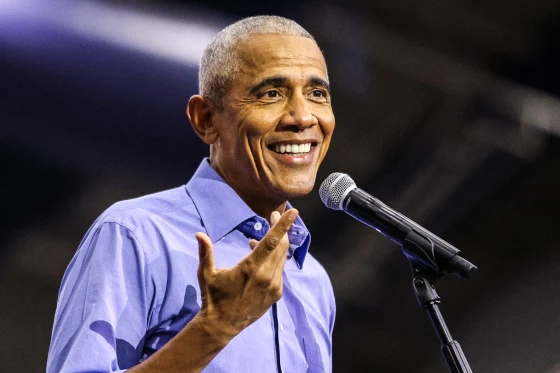
Obama Challenges Trump’s ‘Strength’ Narrative While Campaigning for Harris | BizBlog News
Obama Challenges Trump’s ‘Strength’ Narrative While Campaigning for Harris | BizBlog News Obama Challenges Trump’s ‘Strength’ Former President Barack Obama made a powerful appeal to American men during a campaign rally for Democratic presidential nominee Kamala Harris in Pittsburgh, Pennsylvania. In his speech, Obama directly challenged the notion that Donald Trump‘s behavior represents true strength, urging voters to reconsider their perception of leadership qualities. Obama’s Message on ‘Real Strength’ Obama’s address focused on dismantling the idea that Trump’s confrontational style equates to strength. He stated, “I’ve noticed this especially with some men who seem to think some of Trump’s behavior — the bullying and the putting people down — is a sign of strength. And I am here to tell you: That is not what real strength is. It never has been.” The former president went on to define real strength as: Working hard and carrying heavy loads without complaining Taking responsibility for one’s actions Telling the truth, even when inconvenient Helping those in need and standing up for the vulnerable Obama emphasized that these qualities should be what we aspire to see in our children and in the President of the United States. Addressing the Gender Gap Election surveys have revealed a significant gender gap in the current presidential race. While Harris leads among women voters, she faces challenges with male voters across various demographics. Obama’s speech seemed tailored to address this disparity, particularly focusing on young men, Latino men, and African American men who have shown less enthusiasm for Harris or openness to Trump. Critique of Trump’s Behavior Obama didn’t hold back in his criticism of Trump, expressing disbelief that some consider Trump’s actions as signs of strength. He questioned conservatives and Republicans: “When did that become OK? Why would we go along with that? Even if you had a family member who acted like that, you might still love them, but you’d tell them you got a problem. And you wouldn’t put them in charge of anything.” The former president also called out Trump’s false claims about hurricane relief efforts and his controversial statements about POWs and fellow citizens. Focus on African American Men Before the rally, Obama spoke to volunteers, expressing particular concern about the turnout among African American men. He acknowledged a lack of enthusiasm compared to his own campaigns and challenged the notion that some might be hesitant to support a female president. Obama urged volunteers to engage with those on the sidelines, saying, “Speak to people on the sidelines and urge them not to consider sitting out or supporting somebody who has a history of denigrating you because you think that’s a sign of strength. Because that’s what being a man is? Putting women down? That’s not acceptable.” The Stakes of the Election The rally underscored the high stakes of the upcoming election. Obama’s presence and message highlight the Democratic Party’s efforts to energize their base and appeal to crucial demographics. As the campaign enters its final weeks, the focus on defining leadership qualities and challenging traditional notions of strength could play a significant role in shaping voter perceptions and turnout. As November approaches, it remains to be seen how Obama’s message will resonate with voters, particularly the male demographic he targeted in this speech. The outcome could have far-reaching implications for the future of American politics and the definition of presidential leadership. UseFull Links Marketing Ford EV Sales Surge with New Benefits Program | BizBlog News October 1, 2024/No Comments Ford Aims to Boost EV Sales, Address Owner Concerns with New Benefits Program Electric vehicles (EVs) are the future of… Read More HubSpot’s AI-Powered Marketing Tools Revolutionize Marketing – BizBlogs News September 19, 2024/No Comments HubSpot’s AI-Powered Marketing Tools: The Direction of the Future of Marketing In today’s digital age, AI (Artificial Intelligence) has made… Read More SEO Expert Meeting: Candid Search Conversations [Podcast] – Bizblogs News September 16, 2024/No Comments SEO Expert Meeting: Honest Conversations on Search [Podcast] Introduction In today’s digital age, SEO i.e. Search Engine Optimization has become… Read More Load More End of Content. UseFull Links Home About Stories Contact Technology Apple Working on AI-enabled HomePod with Touchscreen | Bizblog News September 28, 2024/No Comments Apple Working on AI-enabled HomePod with Touchscreen and Video Conferencing Features: Report In recent years, Apple has consistently pushed the… Read More Gen AI Industries: Insights from FLAME University VC – BizBlog News September 27, 2024/No Comments Gen AI is Here to Stay, Students Should Be Skilled in AI to Stay Ahead: FLAME University VC Artificial Intelligence… Read More How to Pay Credit Card Bills Like a Pro – Biz Blogs News September 20, 2024/No Comments How to Pay Credit Card Bills? Navigate Online and Offline Options Like a Pro Managing credit card bills can sometimes… Read More Load More End of Content.