
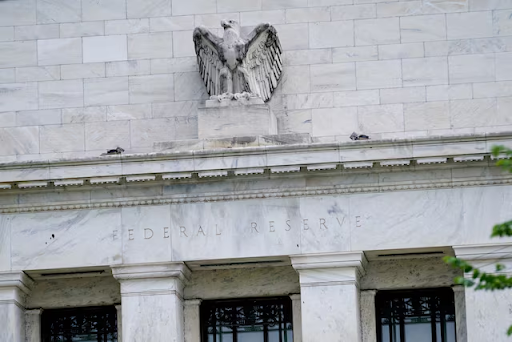
Fed September Minutes: Was the 50 Bps Rate Hike a Slam Dunk? | BizBlog News Fed September Minutes: Was the 50 Bps Rate Hike a Slam Dunk or a Hard Sell? The Federal Reserve’s September meeting has generated a significant amount of curiosity and anticipation. Market participants, analysts, and policymakers alike are eagerly awaiting the release of the Fed’s September minutes to discern whether the 50 basis points (bps) rate hike decision was a straightforward call or a heated debate. The decision could shed light on the Fed’s internal dynamics and hint at the future trajectory of monetary policy as inflation persists and economic uncertainty looms. As we dig deeper into these minutes, we explore what factors may have contributed to the final verdict and whether the Fed was united in its resolve to tighten monetary policy. Was this decision an obvious response to surging inflation, or did differing opinions create friction in the room? Understanding the Fed’s September Rate Hike Decision The Federal Open Market Committee (FOMC), the policy-making arm of the Federal Reserve, opted for a 50 bps rate hike during its September meeting. This decision followed months of aggressive hikes designed to curb soaring inflation. The 50 bps rate increase marked a pivotal point for the Fed, signaling its commitment to controlling inflation while maintaining a balance to prevent an economic slowdown. However, the question remains: Was this decision backed by unanimous support within the Fed, or was there significant resistance? The Fed’s September minutes will answer this question, offering a behind-the-scenes look into the inner workings of the FOMC. It could reveal whether the hike was a ‘slam dunk’ decision, meaning it was widely accepted without pushback, or if it was a ‘hard sell,’ meaning the committee debated fiercely over the appropriate level of tightening What Makes the September Minutes Crucial? The Fed’s September minutes are not just an internal memo for economists to pore over—they offer key insights for global financial markets. These minutes will clarify how policymakers viewed inflationary pressures at that point in time, how they assessed economic data, and how confident they were in their ability to guide the economy towards a “soft landing.” One of the most anticipated aspects of the September minutes is understanding whether there were signs of division within the FOMC. If the 50 bps rate hike was a slam dunk, it suggests that the Fed is committed to its path of continued tightening to tackle inflation. On the other hand, if it was a hard sell, it may reveal underlying concerns among policymakers about over-tightening and potentially triggering a recession. Key Elements to Watch in the Minutes: Inflation Commentary: The Fed’s views on current and future inflation trends will be critical to understanding their long-term strategy. Economic Growth Outlook: Any discussion of recession risks or economic growth could hint at future policy adjustments. Policymaker Disagreement: Whether any members of the FOMC expressed dissent regarding the magnitude of the rate hike or the pace of future hikes. Was 50 Bps the Obvious Choice? Many analysts believe that the decision to raise rates by 50 basis points in September was largely expected given the state of inflation at the time. With inflation running at multi-decade highs, the Fed has been under intense pressure to show its seriousness in tackling rising prices. This rate hike was viewed as a compromise between continuing to aggressively raise rates while also considering the lagging effects of previous hikes. However, internal debates within the FOMC are not uncommon. Some members may have advocated for an even larger rate hike, while others may have preferred a more measured approach. By examining the Fed’s September minutes, we can see whether there were strong arguments for smaller or larger rate hikes, and whether the final decision was a product of consensus or compromise. Potential Impact on Future Policy Decisions The outcome of the September meeting holds significant implications for future policy decisions. If the minutes reveal that the 50 bps rate hike was met with little resistance, this could signal that further hikes of a similar magnitude are on the horizon. The Fed may choose to continue its aggressive tightening stance to ensure inflation is reined in for good. Conversely, if the minutes show that there was considerable debate and hesitation, it could indicate that future rate hikes might be more moderate. This would suggest that the Fed is increasingly concerned about the risks of over-tightening and might pivot to a more cautious approach in the months ahead. The Market’s Reaction to the September Minutes Financial markets are often hypersensitive to the tone and content of the Fed’s minutes. The September minutes will be no different. If the market perceives that the Fed is likely to remain aggressive in its rate hike strategy, we could see further volatility in equity and bond markets. Conversely, if the minutes show that the Fed is more concerned about economic growth than previously thought, it could signal a softer stance and provide a boost to market sentiment. Ultimately, the Fed’s September minutes will provide much-needed clarity on the central bank’s decision-making process, and market participants will be closely monitoring them for any signals about the future direction of monetary policy. Fed September Minutes: What Will We Learn? The release of the Fed’s September minutes will undoubtedly shed light on the internal dynamics of the FOMC. It will reveal whether the 50 bps rate hike was a slam dunk decision, signaling a united front in tackling inflation, or a hard sell, reflecting diverging opinions within the committee. Either way, these minutes will offer valuable insights into the Fed’s priorities and approach in the ongoing battle against inflation. As the world watches and waits, the Fed’s minutes will help us understand not just what the FOMC decided, but why they made those choices—and what that means for the future of the U.S. economy. UseFull Links Marketing Ford EV Sales Surge with New Benefits Program | BizBlog News October 1, 2024/No Comments Ford

CVS, UnitedHealth Urge FTC to Remove Lina Khan from Drug Middlemen Case | BizBlog News
CVS, UnitedHealth Urge FTC to Remove Lina Khan from Drug Middlemen Case | BizBlog News CVS, UnitedHealth Say FTC Should Take Lina Khan and Two Commissioners Off Drug Middlemen Case CVS Health Corp. and UnitedHealth Group Inc., two of the nation’s largest healthcare giants, have made a striking request to the Federal Trade Commission (FTC). The companies are urging the FTC to remove Chairwoman Lina Khan, along with two commissioners, from a crucial case regarding drug middlemen—often referred to as pharmacy benefit managers (PBMs). This request follows concerns over potential bias and conflicts of interest that could influence the outcome of the case. The tension surrounding the case reflects broader controversies over the role of PBMs, companies that manage prescription drug plans for insurance providers. PBMs have long been accused of contributing to rising drug costs by limiting transparency, negotiating rebates with pharmaceutical companies, and passing on savings unevenly. The case before the FTC could have significant implications for how these intermediaries operate and whether reform will be enforced. The Push for Removal: What’s Behind the Request? CVS and UnitedHealth argue that Chairwoman Lina Khan and two of her fellow commissioners have exhibited bias, making it difficult for them to be impartial in the proceedings. The companies claim that Khan’s previous statements and public positions on large corporations—especially those related to healthcare and pharmaceuticals—could cloud her judgment. CVS and UnitedHealth believe these commissioners have a preconceived agenda that unfairly targets PBMs and, by extension, their business models. Khan, known for her aggressive stance on antitrust enforcement and holding big corporations accountable, has gained both praise and criticism for her approach to regulation. In this instance, CVS and UnitedHealth argue that her strong views on the pharmaceutical industry could compromise the fairness of the case. Why This Case Matters: The Role of PBMs Pharmacy Benefit Managers play a crucial role in determining drug prices, and their practices have come under scrutiny in recent years. Critics argue that PBMs often profit at the expense of patients and independent pharmacies by engaging in opaque rebate deals that inflate costs. The FTC’s ongoing investigation seeks to address these concerns and explore whether PBMs are contributing to the overall rise in healthcare costs. CVS Health and UnitedHealth, both of which operate their own PBMs, are major players in this space. The outcome of the case could drastically affect their operations and potentially lead to regulatory changes that might alter how PBMs negotiate drug prices. For consumers, the stakes are high. If PBMs are found to be inflating drug costs, the FTC’s actions could lead to lower prices at the pharmacy counter. However, if CVS and UnitedHealth succeed in getting Khan and the two commissioners removed, it might suggest that corporate influence could shape the future of drug pricing policies. Lina Khan’s Approach to Antitrust and the Pharma Industry Lina Khan has become a high-profile figure in the regulatory landscape, with her appointment as FTC Chair signaling a more assertive approach toward antitrust enforcement. She has consistently advocated for stronger scrutiny of large corporations, especially in industries like technology, pharmaceuticals, and healthcare. Her stance has drawn both praise from consumer advocates and criticism from big businesses, particularly those facing antitrust investigations. Her views on the pharmaceutical industry, in particular, have made CVS and UnitedHealth wary of her involvement in the PBM case. Khan’s previous comments on the need for more oversight and regulation in healthcare have likely contributed to the companies’ concerns about potential bias. Moreover, CVS and UnitedHealth claim that her previous work and public statements create an appearance of partiality that could undermine the integrity of the case. Whether or not the FTC agrees with this assertion will be a critical factor in the next steps of the investigation. The Bigger Picture: Antitrust and Healthcare Costs The debate over PBMs and their role in drug pricing is part of a larger conversation about how to reduce healthcare costs in the U.S. The FTC’s investigation into PBMs is a significant moment for the healthcare industry, as it could pave the way for major regulatory reforms. However, the request to remove Khan and her fellow commissioners adds a layer of complexity to the case. If granted, it could delay the investigation and potentially shift its direction. It also raises questions about the broader influence of corporate interests on regulatory bodies like the FTC. Healthcare costs remain a critical issue for millions of Americans, and any changes to PBM practices could have a ripple effect on drug pricing, insurance premiums, and out-of-pocket expenses. CVS and UnitedHealth, as two of the largest healthcare companies in the country, are well aware of what’s at stake. What Happens Next? As the case unfolds, all eyes will be on the FTC’s decision regarding CVS and UnitedHealth’s request. If Lina Khan and the other commissioners are removed, it could set a precedent for future cases involving perceived conflicts of interest in regulatory proceedings. On the other hand, if the FTC stands by its leadership, the case will likely move forward under Khan’s direction, with the potential for significant changes to the PBM industry. Regardless of the outcome, the case highlights the ongoing tensions between regulators and major corporations, particularly in industries like healthcare where public welfare is directly impacted by pricing and access to services. The role of PBMs in drug pricing will likely remain a focal point in this broader discussion for years to come. UseFull Links Marketing Ford EV Sales Surge with New Benefits Program | BizBlog News October 1, 2024/No Comments Ford Aims to Boost EV Sales, Address Owner Concerns with New Benefits Program Electric vehicles (EVs) are the future of… Read More HubSpot’s AI-Powered Marketing Tools Revolutionize Marketing – BizBlogs News September 19, 2024/No Comments HubSpot’s AI-Powered Marketing Tools: The Direction of the Future of Marketing In today’s digital age, AI (Artificial Intelligence) has made… Read More SEO Expert Meeting: Candid Search Conversations [Podcast] – Bizblogs News September 16, 2024/No Comments SEO Expert Meeting: Honest Conversations on

S&P 500 & Nasdaq Rise Amid Inflation Data and Q3 Earnings | BizBlog News
S&P 500 & Nasdaq Rise Amid Inflation Data and Q3 Earnings | BizBlog News S&P 500, Nasdaq Rise as Investors Focus on Inflation Data, Q3 Earnings In the midst of fluctuating global markets, the S&P 500 and Nasdaq have managed to edge upward, reflecting renewed investor interest as critical inflation data and Q3 earnings reports dominate the headlines. These market movements are providing key insights into the state of the economy and the future of interest rates, raising hopes that inflation may be cooling down and allowing companies to continue their growth trajectory. The U.S. stock market, primarily driven by the S&P 500 and Nasdaq, has shown surprising resilience despite concerns over inflation and rising interest rates. Investors are closely monitoring economic data, including the Consumer Price Index (CPI) and corporate earnings, to gauge the market’s next steps. With heightened volatility across stock exchanges, both indices have become crucial barometers of financial health, offering clues to where investors are placing their bets. S&P 500 and Nasdaq: Key Indicators of Market Sentiment The S&P 500 and Nasdaq are two of the most widely followed stock indices in the world, acting as key indicators of the health of the U.S. stock market. Both indices include a variety of stocks, from tech giants in the Nasdaq to a broader range of sectors in the S&P 500. Investors have been particularly focused on these indices as they respond to inflation concerns and ongoing earnings reports from leading corporations. Investors tend to view the S&P 500 as a barometer for the overall economy, as it encompasses the top 500 companies in the United States, spanning a wide range of industries, including tech, energy, finance, and healthcare. In contrast, the Nasdaq is more tech-heavy, home to companies like Apple, Microsoft, and Amazon. The performance of these indices often reflects broader trends in the stock market, and when they rise, it’s a signal of confidence in corporate profitability, despite external pressures like rising prices and potential interest rate hikes. Q3 Earnings Driving Investor Sentiment One of the key factors behind the recent rise in the S&P 500 and Nasdaq has been the strength of Q3 earnings. Companies across sectors are reporting their financial results for the third quarter, and investors are paying close attention to how these earnings compare to expectations. Many tech companies, in particular, have posted better-than-expected results, which has helped to buoy the Nasdaq in recent weeks. Meanwhile, sectors such as energy and healthcare have also performed well, contributing to gains in the S&P 500. The broader market has responded positively to earnings beats, with companies like Tesla and Alphabet posting strong quarterly results. This has bolstered investor confidence, even in the face of broader economic concerns like inflation and rising interest rates. Inflation Concerns Loom Large Despite the optimism surrounding corporate earnings, inflation remains a significant concern for investors. The latest inflation data, particularly the Consumer Price Index (CPI), continues to show elevated price levels across a range of goods and services. Investors are closely watching for any signs that inflation is starting to cool, as this could influence the Federal Reserve’s future interest rate decisions. Inflationary pressures have been exacerbated by a range of factors, including supply chain disruptions, labor shortages, and increased consumer demand. These have contributed to rising prices in everything from food and energy to housing and healthcare. For investors, inflation poses a dual threat: it can erode the purchasing power of consumers, while also forcing companies to raise prices, potentially leading to lower profit margins. However, recent data suggests that inflation may be starting to slow, with the latest CPI report showing only a modest increase in prices compared to previous months. This has given investors hope that the worst of the inflation surge may be behind us, although the outlook remains uncertain. Interest Rates and Their Impact on the Stock Market Inflation is closely tied to interest rates, which are another major focus for investors. The Federal Reserve has been raising interest rates in an effort to combat inflation, and there are concerns that further rate hikes could slow economic growth and hurt corporate earnings. Higher interest rates make borrowing more expensive for both consumers and businesses, which can reduce spending and investment. At the same time, higher interest rates can also increase the cost of servicing debt, which can weigh on corporate profits. As a result, many companies are closely monitoring the Federal Reserve’s actions and adjusting their strategies accordingly. Investors, too, are watching the Fed’s moves closely, as they try to gauge the impact of rising rates on the broader economy. SIA Wealth Management and Market Outlook Financial experts at SIA Wealth Management suggest that while inflation and interest rates are key concerns, the overall market outlook remains positive. They point to the strong performance of major U.S. corporations in Q3 as a sign that companies are still finding ways to grow, even in a challenging economic environment. Furthermore, they argue that if inflation continues to moderate, it could reduce the pressure on the Federal Reserve to raise interest rates, which would be a positive development for stocks. According to Chief Market Strategist at SIA Wealth Management, the market is likely to experience continued volatility in the coming months, but there are opportunities for savvy investors to capitalize on dips in the market. They recommend a balanced portfolio that includes a mix of growth and value stocks, as well as exposure to sectors that are less vulnerable to inflation, such as healthcare and utilities. Potential Impact of the S&P/TSX Composite Index While the S&P 500 and Nasdaq tend to dominate the headlines, it’s also important to consider the impact of the S&P/TSX Composite Index, which tracks the performance of the largest companies listed on the Toronto Stock Exchange. This index includes a heavy weighting of mining stocks and energy companies, which have been particularly sensitive to inflationary pressures and rising commodity prices. The performance of the S&P/TSX Composite Index can provide important insights for

Boeing Delivers 33 Jets in September Amid Strike Concerns | BizBlog News
Boeing Delivers 33 Jets in September Amid Strike Concerns | BizBlog News Boeing Delivers 33 Jets in September but Strike Impact Looms The aerospace giant Boeing marked a significant achievement by delivering 33 jets in September 2024, signaling a steady output amid mounting global demands for aircraft. However, this accomplishment comes with looming concerns that cast a shadow over the company’s future performance—an impending strike by aerospace workers that threatens to disrupt its production lines. This double-edged situation puts Boeing in the delicate position of balancing current deliveries with mitigating the potential consequences of halted operations. While delivering 33 planes in a single month is a commendable feat, the broader context reveals challenges that could reverberate through the aviation industry. As airlines depend on timely deliveries of aircraft to meet increasing passenger and cargo demands, any disruption could have serious implications. In this blog, we’ll explore Boeing’s September performance, the potential impact of the upcoming strike, and the overall dynamics of the aerospace sector in light of these developments. Boeing’s September Jet Deliveries: A Closer Look In September 2024, Boeing successfully delivered 33 jets, maintaining its steady role as a leading planemaker despite ongoing pressures. This figure included various models, such as Boeing 787 Dreamliners and the ever-popular 737 MAX aircraft, widely used by airlines across the globe. The deliveries were spread across commercial planes for passenger airlines, cargo planes for logistics companies, and other aircraft orders, showcasing Boeing’s broad production capacity. The demand for planes has remained high as airlines recover from the pandemic and expand their fleets to accommodate growing passenger numbers. Boeing’s 33 jet deliveries in September indicate that the company has managed to navigate through multiple challenges, such as supply chain disruptions and logistical bottlenecks. However, the story doesn’t end here. The Looming Strike: What It Means for Boeing The impending strike by the International Association of Machinists and Aerospace Workers (IAMAW) has put Boeing’s operations under a magnifying glass. Workers are threatening to go on strike over disputes related to wages, working conditions, and job security. This strike could potentially disrupt Boeing’s production lines, delaying future jet deliveries and significantly impacting the aerospace giant’s business operations. A strike of this magnitude could not only slow Boeing’s output but also lead to delayed delivery schedules for airlines waiting on new planes. This would be a blow to Boeing’s reputation in the global market, especially as it continues to compete with its European rival Airbus for dominance in the global planemaking market. A prolonged work stoppage could also affect Boeing’s ability to secure new aircraft orders and meet its contractual obligations to carriers. Aerospace Workers on the Edge: Understanding the Reasons Behind the Strike The workers at Boeing’s factories, represented by IAMAW, have expressed concerns about pay, benefits, and long-term job security. Negotiations between the union and Boeing have been ongoing, but workers believe that their contributions to Boeing’s success, especially during difficult times such as the COVID-19 pandemic, warrant better compensation and guarantees. Boeing is faced with a delicate situation. On one hand, keeping labor costs under control is vital for maintaining competitiveness in the global planemaking market. On the other hand, satisfying the demands of its workforce is essential to prevent costly work stoppages that could delay production and tarnish the company’s relationship with airlines and other customers. As tensions rise, Boeing will need to tread carefully to avoid the strike or at least minimize its impact on operations. Past Boeing Strikes and Their Impact on the Company Boeing is no stranger to strikes. In fact, the company has faced multiple work stoppages in the past, with the most notable being the 2008 strike, which lasted eight weeks and delayed the production of several aircraft, including the now-famous Dreamliner planes. This strike cost Boeing approximately $2 billion in revenue, demonstrating the significant financial risk strikes pose to the company. While Boeing managed to recover from past strikes, the modern-day aerospace market is more competitive, with Airbus breathing down Boeing’s neck in the race for aircraft orders. A strike in today’s landscape could be far more damaging, particularly as airlines ramp up their fleets post-pandemic. The increasing complexity of supply chains, combined with the heightened demand for planes, makes any interruption to production a potential disaster for Boeing. Boeing’s Rivals: The Rising Threat of Airbus As Boeing braces for a potential strike, its European rival Airbus continues to ramp up its production of commercial jets, aiming to capture a larger share of the market. Airbus has been expanding its influence with popular models like the A320neo family, which directly competes with Boeing’s 737 MAX series. Airbus’s steady production and ability to meet customer demands quickly could give it an edge if Boeing’s production slows due to the strike. Airlines seeking new planes are unlikely to wait for Boeing to resolve its internal disputes and may turn to Airbus to meet their needs. This would further hurt Boeing’s market share and put additional pressure on the company to resolve its labor issues as swiftly as possible. The Global Planemaking Market: Boeing’s Position Boeing and Airbus dominate the global aerospace market, with each company fiercely competing for orders from airlines, cargo carriers, and governments. Despite Boeing’s impressive September deliveries, the company’s overall performance in 2024 has seen some fluctuations. Boeing’s deliveries are down year over year through September, with the strike looming large over its prospects for a strong year-end performance. The global planemaking market is highly competitive, and delays in deliveries can lead to shifts in market dominance. As airlines look to replace aging fleets and adopt newer, more fuel-efficient planes, any disruption in Boeing’s production could drive airlines towards Airbus or other emerging aerospace players. Therefore, Boeing’s ability to navigate both its internal challenges and the broader industry landscape will be crucial to its future success. The Impact on Airlines: Delayed Deliveries and Fleet Expansion Airlines across the globe have been placing substantial orders for new planes, driven by an increase in passenger traffic and

Supreme Court Rejects Pharma Bro Martin Shkreli’s Appeal | BizBlog News
Supreme Court Rejects Pharma Bro Martin Shkreli’s Appeal | BizBlog News The Supreme Court Denies “Pharma Bro” Martin Shkreli’s Appeal: Implications for the Case and Public Attitude In a significant turn of events, the U.S. Supreme Court has declined to hear an appeal from notorious former pharmaceutical executive Martin Shkreli, widely known as “Pharma Bro.” This decision leaves intact the previous ruling that found Shkreli guilty of securities fraud, effectively ending any hopes he had of overturning his conviction. Shkreli, who rose to infamy after inflating the price of a life-saving drug, has long been a polarizing figure. The Supreme Court’s rejection marks the culmination of years of legal battles that have kept the public’s attention fixed on Shkreli and his controversial actions. Shkreli’s Appeal: A Final Attempt for Redemption Fails Shkreli’s attempt to have his case heard by the highest court in the country was seen as a last-ditch effort to escape the consequences of his past behavior. In 2017, he was convicted of two counts of securities fraud and one count of conspiracy to commit securities fraud, related to his management of hedge funds and pharmaceutical companies. Shkreli was sentenced to seven years in prison, but he has maintained his innocence throughout. The Supreme Court’s decision to deny his appeal isn’t entirely surprising, as the Court typically hears only a small percentage of the cases brought before it. In this instance, the justices declined to offer any commentary on why they chose not to review Shkreli’s case, which is a standard practice. However, their silence still speaks volumes, affirming the lower court’s ruling and closing the door on Shkreli’s legal maneuvering. The Legacy of Martin Shkreli: From ‘Pharma Bro’ to Convict Martin Shkreli became infamous in 2015 after his company, Turing Pharmaceuticals, acquired the rights to the drug Daraprim and raised its price by more than 5,000% overnight. The medication, used primarily to treat infections in people with weakened immune systems, including those with HIV, went from $13.50 per pill to $750. The public backlash was swift and harsh, with Shkreli becoming a symbol of corporate greed and ethical disregard within the pharmaceutical industry. While his conviction for securities fraud was unrelated to the Daraprim controversy, the outrage surrounding his price hike made him a household name, and he quickly became a lightning rod for criticism. The “Pharma Bro” persona, characterized by his smug and often combative public demeanor, didn’t help his case in the court of public opinion. Even after his conviction, Shkreli continued to taunt critics from prison, demonstrating little remorse for his actions. Why Was Martin Shkreli Convicted? Despite widespread attention on his actions as CEO of Turing Pharmaceuticals, Shkreli’s criminal conviction stemmed from unrelated activities in his hedge fund management. Prosecutors alleged that he had defrauded investors by lying about the performance of two hedge funds he managed—MSMB Capital and MSMB Healthcare. Additionally, he was accused of using funds from his pharmaceutical company Retrophin to pay back investors he had deceived in those hedge funds. In 2017, a jury found Shkreli guilty on several counts, leading to his eventual imprisonment. His defense attorneys argued that none of his investors had actually lost money in the long run, and that they had received returns higher than they initially invested. However, the jury found that the means by which Shkreli operated his financial schemes—lying to investors and misappropriating funds—constituted securities fraud. The Implications of the Supreme Court’s Decision The Supreme Court’s refusal to hear Shkreli’s appeal not only upholds his fraud conviction but also sends a strong message about accountability within the financial and pharmaceutical sectors. By refusing to entertain his legal challenges, the court has effectively endorsed the original conviction, reinforcing the notion that fraudulent behavior will not be tolerated, regardless of one’s public profile or wealth. Moreover, the decision also signals a closing chapter in the Martin Shkreli saga, at least from a legal standpoint. His imprisonment will continue, and his legal options have now been exhausted. For many who have followed the case, this represents a form of justice being served, especially considering the immense public outrage he sparked with his actions in the pharmaceutical industry. Public Reactions and Perception The public’s reaction to the Supreme Court’s decision has been largely one of approval. Shkreli’s notorious behavior and his unapologetic attitude left many feeling that he symbolized the worst aspects of corporate greed and financial misconduct. The price-gouging of Daraprim, though technically not the basis for his criminal conviction, remains fresh in the minds of many, and the Court’s decision not to hear his appeal feels like an affirmation of accountability. Critics of Shkreli believe that his downfall was inevitable, given the scale of his misconduct and the cavalier way in which he treated the law. Many see his inability to get his case heard by the Supreme Court as a fitting end to a chapter of modern corporate malfeasance. Others, however, worry that Shkreli’s case is emblematic of a broader problem within the pharmaceutical industry, where the unchecked power of executives can have real-world consequences for vulnerable patients. Will Shkreli’s Infamous Drug Price Hike Ever Be Reversed? One question that lingers on the minds of many following the Supreme Court’s ruling is whether the outrageous price hike Shkreli imposed on Daraprim will ever be reversed. Since his conviction, Shkreli has lost control over Turing Pharmaceuticals, and the company has rebranded itself under the name “Vyera Pharmaceuticals.” However, the price of Daraprim remains staggeringly high, though it has faced competition from generic alternatives. The broader issue of drug pricing reform, which Shkreli unintentionally brought to the forefront, remains a critical topic of debate in the U.S. pharmaceutical industry. His actions, while extreme, have spurred conversations about how to prevent similar abuses in the future. In the wake of Shkreli’s legal battles, there have been increasing calls for regulatory changes to protect consumers from exploitative practices. Shkreli’s Continued Influence and Public Persona Despite being imprisoned, Shkreli has continued to exert influence over public

U.S. Crude Oil Surges Amid Israel-Iran Conflict | BizBlog News
U.S. Crude Oil Surges Amid Israel-Iran Conflict | BizBlog News As the market awaits Israel’s strike against Iran, U.S. crude oil jumps 2% and trades close to $76 The global oil market is no stranger to volatility, but the recent surge in U.S. crude oil prices, climbing 2% and approaching $76 per barrel, has captured significant attention. As geopolitical tensions between Israel and Iran escalate, investors are bracing for potential supply disruptions in the Middle East. The anticipation of an Israeli military strike on Iran could lead to heightened instability in one of the world’s most crucial oil-producing regions. This has pushed oil prices higher, signaling uncertainty for the global economy and energy markets alike. The Rising Oil Price and Its Global Impact U.S. crude oil has been trading near the $76 per barrel mark, reflecting a sharp 2% jump in prices. This surge is directly tied to fears of a potential conflict between Israel and Iran, which could affect oil supplies from the region. Historically, any disruptions or conflicts in the Middle East send ripples through global oil markets, given the region’s role as a primary oil hub. Even the mere threat of conflict can trigger market reactions as traders try to safeguard against future volatility. With Iran being a key player in global oil production, any military engagement that impacts its ability to export oil could tighten global supplies. This raises serious concerns over price spikes, especially for countries that heavily depend on oil imports. Additionally, higher oil prices could exacerbate inflationary pressures, something the world economy is already grappling with post-pandemic. It’s not just the U.S. feeling the pressure—oil-importing nations around the globe will have to deal with the ramifications if tensions worsen. Geopolitical Tensions: Israel and Iran on the Brink The long-standing tensions between Israel and Iran have once again come to a head. Recently, speculation about an imminent Israeli strike on Iran has grown, fueled by concerns over Iran’s nuclear ambitions and regional influence. Israel, which views a nuclear-armed Iran as an existential threat, has not ruled out a military option. Such a strike could disrupt oil flows from the Persian Gulf, further driving up prices and adding stress to an already volatile market. The situation remains fluid, but traders are not taking any chances. Geopolitical risks are among the most unpredictable drivers of oil prices, and the Middle East’s instability has historically had a significant impact on energy markets. This is especially true given the region’s key role in global oil supply chains. If hostilities were to escalate, it could lead to prolonged supply shortages, sending prices soaring further. How Supply Fears Are Driving Up Oil Prices The fear of supply disruptions is a major reason behind the current spike in U.S. crude oil prices. While the conflict between Israel and Iran is not yet in full swing, the possibility of an escalation has traders and investors preparing for the worst. The oil market often responds to such potential threats long before they become reality, and we’re seeing that play out now. If a strike occurs, it’s likely that Iran’s ability to export oil would be compromised, particularly through the Strait of Hormuz—a critical chokepoint through which about 20% of the world’s oil passes. Any blockages or disruptions here could cause a ripple effect throughout global markets. Furthermore, the Organization of Petroleum Exporting Countries (OPEC) and its allies, including Russia, may struggle to compensate for the loss of Iranian oil, driving prices even higher. Investor Sentiment: Caution Amid Uncertainty Investors are approaching the current situation with caution, as geopolitical uncertainty tends to create a “wait and see” attitude. Although there has not been a significant military strike as of now, the market’s sensitivity to geopolitical risks has been magnified by the current political climate. In times like these, traders often hedge their bets by moving capital into oil futures, anticipating that prices will climb in response to tighter supply or military escalation. The upward pressure on oil prices is not just a response to potential supply chain disruptions but also reflects a broader fear of prolonged conflict in the region. Middle Eastern conflicts historically have a prolonged impact on energy markets, causing volatility for months or even years. Investors, therefore, are looking at both short-term and long-term strategies to manage this uncertainty. Economic Implications of Rising Oil Prices The rise in U.S. crude oil prices has far-reaching implications, not just for energy markets but for the broader economy as well. Higher oil prices tend to lead to increased costs for consumers, as fuel prices rise and businesses face higher transportation and production costs. This often leads to inflationary pressures, which central banks may respond to with tighter monetary policies. In the U.S., for instance, rising fuel prices could eat into household budgets, leaving less disposable income for other goods and services. Businesses, particularly those reliant on transportation, could see their costs rise significantly. This may lead to higher prices for goods across various sectors, further fueling inflation. Countries that are highly dependent on oil imports, like India and Japan, may also feel the economic sting more acutely, as they struggle with both higher import costs and the knock-on effects on their domestic economies. U.S. Crude Oil Surge: A Signal of Future Instability? The current surge in U.S. crude oil prices may well be a harbinger of future instability in the global oil markets. As tensions between Israel and Iran continue to simmer, oil traders will likely remain on edge, ready to react to any new developments. If the situation escalates, we can expect further price increases, alongside increased volatility in global financial markets. This makes it essential for businesses and consumers alike to stay informed and prepared for potential changes. While it’s impossible to predict exactly how the situation will unfold, the current price surge serves as a reminder of how interconnected geopolitical events and global markets truly are. As tensions rise, so too will the stakes for the global economy. UseFull Links

Chinese Automakers, EU Investments to Avoid Tariffs | BizBlog News
Chinese Automakers, EU Investments to Avoid Tariffs | BizBlog News VW CEO: Chinese Automakers Should Be Allowed to Avert Tariffs by Investing in the EU The global automotive industry is constantly evolving, with various geopolitical and economic shifts reshaping its landscape. In this context, the VW CEO recently made a bold statement that could redefine how international carmakers approach the European market. By suggesting that Chinese automakers should be allowed to avoid tariffs by increasing EU investments, the Volkswagen executive not only highlights the growing influence of China but also the importance of collaboration over conflict. As tensions rise in global trade, fostering economic cooperation through EU investments may present a win-win strategy for both Europe and China. This piece explores the implications of this proposal, the potential benefits for both regions, and the long-term outlook for the automotive industry. The Rising Influence of Chinese Automakers In recent years, Chinese automakers have become serious contenders in the global automotive market. Brands like BYD, Geely, and Nio have made significant strides in technological innovation, especially in the realm of electric vehicles (EVs). China’s robust support for EV development, coupled with its vast manufacturing infrastructure, has allowed these companies to challenge established Western automakers. However, as Chinese manufacturers set their sights on Europe, they face stiff tariffs and regulatory hurdles, which can inflate costs and reduce competitiveness. While this may seem like a protectionist move on the part of the EU, the VW CEO has raised an interesting point: instead of building barriers, why not encourage Chinese automakers to invest directly in the European Union? By incentivizing EU investments, both regions could benefit from shared expertise, supply chains, and resources. But what are the deeper implications of this proposal? How EU Investments Could Benefit Chinese Automakers For Chinese automakers, penetrating the European market is essential for long-term growth. Europe is not only home to a large consumer base but also offers a highly developed infrastructure for EVs, making it an ideal market for Chinese electric vehicles. However, tariffs imposed on non-European manufacturers make it challenging for Chinese companies to offer competitive pricing. According to the VW CEO, increasing EU investments could allow Chinese companies to bypass these tariffs, thus reducing costs and encouraging greater market competition. For instance, a Chinese automaker could establish manufacturing plants within the EU, thereby creating jobs and supporting local economies. This would allow them to avoid tariffs and adhere more easily to European regulations, while benefiting from lower transportation and logistics costs. In return, Europe would gain from an influx of investment in its automotive industry, boosting innovation, employment, and technological advancements in the EV sector. Economic Cooperation Over Protectionism The VW CEO’s proposal underscores a broader theme of economic cooperation over protectionism. As global trade tensions simmer, particularly between China and the West, finding solutions that benefit both parties is crucial. Rather than escalating trade wars or imposing higher tariffs, fostering an environment that encourages mutual investment could prove to be far more beneficial. Europe, particularly in the wake of recent economic challenges, stands to gain significantly from increased foreign investment. By allowing Chinese automakers to invest in local manufacturing, Europe can secure much-needed capital and technological advancements, particularly in the green energy and EV sectors. This would not only boost local economies but also ensure Europe remains competitive in the global automotive industry. Moreover, by allowing Chinese automakers to avoid tariffs, European consumers could enjoy more affordable, innovative vehicles, driving further adoption of electric cars and other sustainable technologies. What This Means for the EU Auto Industry The European Union has long been a hub for some of the world’s largest and most prestigious car manufacturers, including Volkswagen, BMW, and Mercedes-Benz. However, the rise of Chinese automakers poses a potential threat to the dominance of these legacy brands. While European automakers have historically held a strong position in the global market, the rapid technological advancements from Chinese manufacturers, particularly in the realm of EVs, are shaking up the status quo. The VW CEO’s call for increased EU investments from Chinese manufacturers could be seen as an attempt to integrate, rather than resist, this emerging competition. Instead of viewing Chinese companies as adversaries, the European automotive industry could leverage this opportunity for collaboration. By opening doors to Chinese automakers, Europe may secure vital investments, create more competitive pricing in the market, and accelerate the transition toward sustainable mobility. This kind of economic cooperation could also spur European carmakers to further innovate, ensuring they remain at the forefront of the global automotive industry. How Avoiding Tariffs Encourages Innovation One of the key points made by the VW CEO is the idea that avoiding tariffs through increased EU investments could foster greater innovation. As Chinese automakers establish local manufacturing facilities and research centers in Europe, there is immense potential for knowledge sharing and technological advancements. The automotive industry is at a critical juncture, with the transition to electric and autonomous vehicles set to define the future of mobility. By working together, European and Chinese automakers could pool their expertise, particularly in areas like battery technology, artificial intelligence, and green energy solutions. This would not only benefit the companies involved but also provide significant advantages to consumers, who would have access to more advanced, sustainable vehicles at competitive prices. Furthermore, increased cooperation could spur advancements in supply chain efficiency, reducing the environmental impact of vehicle production and distribution. The Challenges of Cross-Border Investment While the VW CEO’s proposal paints an optimistic picture of economic cooperation, there are still significant challenges to be addressed. Cross-border investments, particularly between Europe and China, are often fraught with regulatory hurdles and political complexities. Issues such as intellectual property rights, labor laws, and environmental standards can complicate the investment process. Moreover, some European stakeholders may express concerns about allowing foreign automakers, particularly from China, to gain a stronger foothold in the EU market. There is a delicate balance between encouraging foreign investment and protecting local industries from being overshadowed. Nonetheless, with careful negotiation

Falling Fertility Rates and ‘Childless Cat Ladies’ – BizBlog News
Falling Fertility Rates and ‘Childless Cat Ladies’ – BizBlog News ‘Childless Cat Ladies’ and Declining Fertility Rates: A Closer Examination of JD Vance’s Remarks The discussion surrounding falling fertility rates has become increasingly common in the context of population trends and social commentary. In particular, Ohio Senator JD Vance has recently stirred the conversation with his comments on what he calls “childless cat ladies.” These remarks have sparked a broader debate about the reasons behind fertility decline and the cultural implications surrounding family life in modern society. As we explore the nuances of Vance’s comments on fertility, it’s essential to examine both the statistical backdrop and the social narratives shaping these discussions. The Reality of Falling Fertility Rates Globally, fertility rates have been steadily declining for decades. In the United States, the total fertility rate (TFR), which measures the average number of children a woman is expected to have, has dropped from about 3.7 in 1960 to 1.7 in 2021. For a population to replace itself without relying on immigration, a fertility rate of about 2.1 is required. However, many developed nations, including the U.S., now fall below this threshold, leading to concerns about aging populations and potential labor shortages. From a demographic perspective, this fertility decline is significant. It influences not only economic systems but also healthcare, education, and the structure of social welfare programs. Fewer young people entering the workforce places more strain on systems designed to support retirees, and the social implications of a shrinking, aging population are profound. JD Vance’s Comments on Fertility JD Vance’s remarks on fertility and the so-called “childless cat ladies” phenomenon encapsulate a growing anxiety over the fertility decline in the U.S. and other Western nations. In his view, women choosing not to have children—or delaying motherhood—represents a cultural shift that undermines traditional family structures. Vance has pointed to this trend as a symptom of broader societal decay, suggesting that an overemphasis on personal fulfillment and career aspirations is causing women to forgo family life. Vance’s comments, though controversial, tap into deeper debates about the role of women in modern society. Critics argue that his focus on childless women—framed dismissively as “cat ladies”—oversimplifies complex socio-economic dynamics. On the other hand, his supporters suggest that his remarks shine a light on an uncomfortable truth: family formation is no longer the central pillar of many people’s lives, and this shift could have profound consequences for the future of society. Childless Cat Ladies: Cultural Commentary or Misogynistic Trope? The phrase “childless cat ladies” has roots in pop culture, often used to depict women who live alone with pets, supposedly as a substitute for having children. This stereotype is frequently cast in a negative light, suggesting that women who do not conform to traditional roles of motherhood are somehow lacking or incomplete. In his commentary, Vance appears to lean into this trope, characterizing such women as symptomatic of a deeper cultural malaise. However, it’s important to interrogate the assumption that all women desire or should aspire to motherhood. The decision to remain childfree is influenced by numerous factors, including economic conditions, personal values, and societal pressures. Moreover, the rise of dual-income households, delayed marriage, and longer educational pursuits all contribute to the trend of declining birth rates. While some women may indeed prefer pets to children, framing this choice as emblematic of societal collapse risks oversimplifying the underlying causes of fertility decline. Population Trends and Fertility Decline Falling fertility rates have led to a range of policy responses aimed at encouraging family growth. Some countries, like Hungary and Poland, have introduced pro-natalist policies, offering financial incentives, tax breaks, and extended parental leave to encourage couples to have more children. However, these measures have yielded mixed results. In nations like Japan and South Korea, despite government efforts, fertility rates remain stubbornly low, with cultural and economic factors proving difficult to overcome. In the U.S., there’s an increasing awareness of these population trends and their potential long-term effects. Declining fertility could lead to an aging population, with fewer workers supporting a growing number of retirees. This has prompted discussions about immigration as a solution to maintain population growth, though this, too, remains a polarizing topic. The Economic Dimension of Fertility Decline Another factor contributing to fertility decline is economic uncertainty. Millennials and Gen Z, the generations currently in their prime childbearing years, face significant financial challenges. Stagnant wages, rising housing costs, and the burden of student loan debt all make starting a family seem financially daunting. Many couples delay having children due to concerns about affording childcare, healthcare, and education in an increasingly competitive economic landscape. Moreover, the COVID-19 pandemic exacerbated these issues. In its aftermath, many people reconsidered their family planning choices, opting to wait for more stable times. Although some feared that the pandemic would lead to a “baby bust,” the long-term trends indicate that economic and social pressures continue to suppress birth rates. The Social Implications of Delayed Parenthood As women pursue higher education and career advancement, the age of first-time mothers has risen steadily. This shift reflects broader societal changes regarding gender roles and the increasing acceptance of women in the workforce. However, delaying parenthood also brings challenges, including reduced fertility as women age and increased health risks associated with later pregnancies. For some, delaying or forgoing parenthood altogether is a deliberate choice, shaped by personal values that prioritize autonomy and professional achievements over traditional family life. However, this choice is often viewed through a negative lens by commentators like Vance, who see it as a deviation from what they perceive to be the natural order of things. Vance on fertility frames this as a cultural issue, suggesting that a lack of family-oriented values is contributing to declining birth rates. However, many experts argue that the solution lies not in moralizing individual choices but in creating an environment where families feel financially secure and supported. Addressing Fertility Decline: Policy and Cultural Change To reverse the trend of falling fertility rates, experts suggest that

U.S. Job Creation Roared Higher in September: Payrolls Surge | BizBlog News
U.S. Job Creation Roared Higher in September: Payrolls Surge | BizBlog News U.S. Job Creation Roared Higher in September: Payrolls Surged by 254,000 The U.S. economy experienced a significant upswing in September as job creation roared higher, with payrolls surging by 254,000. This impressive gain has exceeded many expectations and painted an optimistic picture of the country’s labor market amid persistent concerns over inflation and global economic uncertainty. The sharp increase in hiring signals that, despite the challenges, businesses continue to expand and seek more workers, fueling hopes for sustained economic recovery. The Labor Market’s Resilience Amid Uncertainty The surge of 254,000 payrolls in September underscores the resilience of the U.S. economy, especially after a summer marked by cautious optimism. With various factors weighing on the broader economic landscape, including inflationary pressures, rising interest rates, and geopolitical tensions, the labor market continues to prove its strength. This is a clear indicator that employers are still in hiring mode, eager to fill positions in sectors where demand remains strong. In particular, industries such as healthcare, leisure and hospitality, and professional services have contributed significantly to this jump in job numbers. These sectors were among the hardest hit during the pandemic, and their continued recovery highlights the broader resurgence of the U.S. economy. The increase in job creation has also helped ease concerns about a potential slowdown, signaling that businesses are maintaining confidence in long-term growth prospects. A Positive Sign for the U.S. Economy The September payroll surge is more than just a headline number; it is a reflection of deeper economic trends that point to sustained growth. While challenges remain, including the Federal Reserve’s tight monetary policies aimed at controlling inflation, the labor market’s robustness is an encouraging sign. Strong job creation typically boosts consumer spending, which is a major driver of the U.S. economy. Furthermore, these job gains could help soften the blow of any potential economic slowdown in the coming months. With more people employed and earning wages, the cycle of spending, investing, and saving is reinforced, providing a buffer against more turbulent economic forces. Though inflation remains a pressing concern, the surge in jobs offers some relief and stability for American workers and businesses alike. Why September’s Payroll Growth Matters For several months, economists and market analysts have been closely watching job creation numbers, using them as a barometer for the overall health of the economy. The September payroll surge of 254,000 comes at a critical time, as fears of a looming recession have intensified due to rising interest rates and the Federal Reserve’s attempts to cool down the overheated economy. The stronger-than-expected job growth indicates that the labor market is still expanding, despite these headwinds. It’s a clear signal that businesses, especially in sectors experiencing high demand, continue to look for talent. This is particularly relevant as many firms have been navigating challenges related to labor shortages, wage pressures, and supply chain disruptions. The steady hiring pace in September shows that companies are resilient and remain optimistic about their ability to grow and thrive. Additionally, this robust job creation provides a solid foundation for consumer confidence. When more people are employed, the likelihood of increased household spending rises, which in turn stimulates demand for goods and services. This economic domino effect bolsters the broader U.S. economy, helping to stave off a downturn and support continued growth. The Role of Key Sectors in the Surge Several key sectors were instrumental in driving September’s impressive job gains. As mentioned, healthcare, leisure and hospitality, and professional services made significant contributions to the payroll surge. Let’s take a closer look at the role each sector played: Healthcare: The healthcare sector has been consistently adding jobs as it continues to recover from the strain of the COVID-19 pandemic. Hospitals, clinics, and healthcare providers are expanding their workforce to meet the growing demand for medical services, which has only increased in the wake of the public health crisis. Leisure and Hospitality: This sector, which includes restaurants, hotels, and entertainment venues, experienced massive job losses during the pandemic. However, as the country gradually reopens and consumer confidence returns, businesses in leisure and hospitality are ramping up hiring to cater to the renewed demand for travel, dining, and entertainment. Professional Services: Professional and business services also saw strong gains in September, driven by increased demand for consulting, management, and technical expertise. As companies continue to adapt to a changing economic landscape, they are seeking more specialized skills to support their growth and transformation efforts. The breadth of industries contributing to the job gains demonstrates that the recovery is widespread and not limited to just one or two sectors. This diversity adds stability to the overall labor market and further solidifies the economic recovery. What Does the Future Hold for U.S. Job Growth? The labor market’s performance in September paints an encouraging picture, but what lies ahead? Economists predict that while job creation is likely to continue, it may not always be at the same blistering pace. The Federal Reserve’s aggressive interest rate hikes are expected to eventually slow down hiring, especially in interest-sensitive sectors like real estate and manufacturing. However, for now, the U.S. economy is benefiting from strong labor demand. As inflation begins to cool and economic conditions stabilize, job growth is likely to moderate, but remain positive. This steady growth, paired with wage increases in several sectors, suggests that workers will continue to find opportunities in a variety of industries. The real test will come as the Fed’s policies take full effect. Will businesses maintain their hiring momentum, or will they pull back as borrowing costs rise? For now, the U.S. labor market is outperforming expectations, providing a crucial foundation for economic resilience. A Booming September for U.S. Job Creation In conclusion, the U.S. job creation figures for September, with payrolls surging by 254,000, offer a much-needed dose of optimism in a time of economic uncertainty. The continued strength of the labor market, despite inflationary pressures and rising interest rates, underscores the

Biden Student Loan Forgiveness Ruling | Major Win for Borrowers | BizBlog News
Biden Student Loan Forgiveness Ruling | Major Win for Borrowers | BizBlog News Biden Administration Can Move Forward with Student Loan Forgiveness, Federal Judge Rules The Biden administration’s long-standing goal of providing student loan forgiveness received a critical boost recently when a federal judge ruled that the plan could finally proceed. This ruling marks a significant victory for millions of borrowers burdened by student debt, as well as for the administration, which has faced numerous legal challenges in its efforts to deliver on this promise. With the student loan crisis reaching unprecedented levels, this development provides new hope for those struggling to manage their financial obligations. The Importance of Student Loan Forgiveness in Today’s Economy Student loan debt has been a significant economic and social issue in the United States for years. According to recent reports, over 45 million Americans are burdened by a staggering $1.7 trillion in student loans. This debt has impacted the financial well-being of borrowers, delaying key life milestones such as purchasing homes, starting families, or investing in businesses. For many, the burden is crushing, preventing upward economic mobility. The Biden administration has consistently championed student loan forgiveness as a solution to alleviate the strain on borrowers and stimulate economic growth. Their plan has faced significant opposition from various groups, including political opponents and legal challenges. However, the recent court ruling is a crucial step toward realizing this policy, with the potential to transform the lives of millions of borrowers. The Federal Judge’s Ruling: A Game Changer The ruling by a federal judge is a decisive moment in the Biden administration’s student loan forgiveness plan. After months of legal battles and challenges brought forth by opponents who questioned the legality of such sweeping debt relief, this decision provides a green light for the administration to move forward. The ruling validates the administration’s authority to enact student loan forgiveness under existing legal frameworks, including the Higher Education Act of 1965. This decision also dismisses the notion that student loan forgiveness would unfairly benefit certain borrowers at the expense of others. Instead, the ruling underscores the broader economic benefits of reducing the student loan burden, which can lead to increased consumer spending, entrepreneurship, and overall economic growth. How the Ruling Impacts Borrowers For borrowers, the federal judge’s ruling is nothing short of a lifeline. Many have been waiting in limbo, unsure if they would ever see relief from their overwhelming debt. This ruling paves the way for immediate action, with the Biden administration poised to start implementing its forgiveness plan. Borrowers who qualify for forgiveness could see a significant portion of their debt wiped out, providing them with newfound financial freedom and relief from years of economic hardship. The forgiveness program primarily targets low- to middle-income borrowers, many of whom attended public institutions or community colleges. By offering relief to these individuals, the administration hopes to bridge the gap in economic inequality and provide pathways for these borrowers to thrive. A Victory for Debt Relief Advocates Debt relief advocates view the ruling as a major victory in their fight to end the student debt crisis. Organizations like the Student Borrower Protection Center and Debt Collective have long campaigned for widespread loan forgiveness, arguing that the current system is broken and disproportionately harms low-income and minority borrowers. The federal judge’s decision is seen as a validation of their efforts, and many hope that this sets a precedent for future action on student debt relief. These advocates also point out that the ruling could have far-reaching implications beyond the immediate forgiveness plan. By establishing that the administration has the legal authority to cancel student debt, this decision could open the door to further reforms in the education financing system, potentially leading to more comprehensive solutions for future students. What Happens Next? With the court ruling in its favor, the Biden administration can now begin implementing its student loan forgiveness plan. This includes determining the logistics of how debt cancellation will be processed, which borrowers will qualify, and how soon they can expect to see relief. While the plan is moving forward, it is likely that additional legal challenges will emerge as opponents continue to push back. In the meantime, borrowers are encouraged to stay informed and check for updates from the Department of Education on how the forgiveness program will be rolled out. Eligible borrowers may need to take certain steps to ensure they receive the benefits of the program, such as verifying their income or loan status. The Long-Term Impact of Student Loan Forgiveness If fully implemented, the Biden administration’s student loan forgiveness plan could have profound long-term effects on the economy and society. By alleviating the financial burden on millions of borrowers, the plan could increase disposable income, which in turn could boost consumer spending, stimulate small business growth, and encourage more significant investments in housing and education. Furthermore, the plan could help reduce racial and economic disparities in education, as student debt disproportionately affects Black and Latino borrowers. By providing relief to these communities, the administration aims to create more equitable opportunities for economic advancement and social mobility. Biden’s Commitment to Tackling the Student Debt Crisis From the start of his presidency, Joe Biden has made it clear that tackling the student debt crisis is a top priority. His administration has worked to reform existing student loan programs, including income-driven repayment plans and Public Service Loan Forgiveness. While these initiatives have provided some relief, the student loan forgiveness plan represents the most ambitious effort to date to address the root of the crisis. This ruling shows that the administration is not backing down in its commitment to providing relief to borrowers. As more legal hurdles are cleared, the Biden administration is likely to continue pursuing policies that make higher education more affordable and accessible for future generations. Biden Administration Student Loan Forgiveness: The Bottom Line The federal judge’s ruling is a critical step forward for the Biden administration’s student loan forgiveness plan, offering hope and relief