

Apple Faces China Challenges and AI Struggles | BizBlog News Apple Faces Its Worst Day Since August Amid Reports of Challenges in China and Struggles with AI Apple , a global tech giant synonymous with innovation , is not unfamiliar with market volatility . However , recent events have cast a shadow over its usually unwavering dominance . Apple is grappling with a series of challenges stemming from China-related issues and its struggles to stay competitive in the AI race . These developments have caused Apple to face its worst trading day since August , sparking widespread discussion about its future prospects . Apple’s Worst Day Since August Apple ’s stock plunged by nearly 4% in a single trading session , marking its worst performance since late August . This sharp decline wiped billions off its market capitalization , raising eyebrows on Wall Street and beyond. While short-term dips are not uncommon for large cap companies , the timing of this slump and its underlying causes have drawn particular attention . The market ’s reaction is not merely a reflection of short term speculation . Rather , it underscores deeper concerns about Apple ’s ability to maintain its leadership position amid intensifying global and technological challenges . The Challenges Apple Faces in China China’s Economic Slowdown and Regulatory Pressure China , one of Apple’s largest and most critical markets , has seen an economic slowdown that directly impacts consumer spending. With reduced disposable income , Chinese consumers are rethinking luxury purchases, including high-end smartphones like the iPhone . Moreover, regulatory pressures in China are adding an additional layer of complexity. Reports indicate that the Chinese government is urging state employees to avoid using iPhones due to cybersecurity concerns . Such directives could set a precedent , influencing broader public behavior and further reducing Apple ’s market share in the region . Growing Competition from Local Brands Apple also faces increasing competition from domestic Chinese brands like Huawei , Oppo , and Xiaomi . These companies are rapidly closing the gap in terms of technological innovation , offering premium features at more affordable prices . Huawei ’s new Mate 60 Pro , for example, has sparked considerable interest, posing a direct challenge to Apple ’s latest iPhone models . Manufacturing Dependency on China Despite its efforts to diversify manufacturing to countries like India and Vietnam , Apple remains heavily reliant on China for production . Supply chain disruptions or political tensions could pose significant risks to its operations, making this dependency a critical area of concern . Apple’s Struggles with AI Lagging Behind in AI Innovation Artificial intelligence has become the new frontier for tech giants , with companies like Google , Microsoft , and Amazon making significant strides . While Apple’s Siri was once a trailblazer in voice activated assistants , it has since fallen behind . Critics argue that Siri lacks the advanced conversational abilities and contextual understanding seen in rivals like Google Assistant or Amazon Alexa . The Generative AI Race The advent of generative AI , exemplified by tools like OpenAI ’s ChatGPT , has disrupted industries and set new benchmarks for innovation. Apple , however, has been conspicuously absent from the generative AI conversation . While it has made incremental improvements in AI capabilities within its ecosystem , such as photo recognition and device automation , it has yet to release a groundbreaking generative AI product or service . Internal Challenges in AI Development Insiders report that Apple ’s AI development is hampered by internal disagreements and a lack of clear strategy . The company ’s cautious approach to user privacy , while commendable , may also limit its ability to collect and leverage the data needed for advanced AI models . Market Reactions and Analyst Perspectives Apple ’s recent struggles have sparked mixed reactions from analysts . While some view the challenges as temporary and manageable , others see them as signs of deeper issues . According to Wedbush analyst Dan Ives , Apple ’s ecosystem remains strong , but the headwinds in China and AI cannot be ignored . The stock dip also reflects investor concerns about slowing iPhone sales , particularly in China , which accounts for nearly 20% of Apple’s total revenue. Additionally , Apple ’s perceived lag in the AI space could hinder its ability to compete in a rapidly evolving tech landscape . Apple’s Response to the Challenges Strengthening Supply Chain Diversification To mitigate its reliance on China , Apple has ramped up efforts to diversify its manufacturing base . By shifting production to India , Vietnam , and other countries , the company aims to reduce risks associated with geopolitical tensions and regulatory hurdles . Investing in AI Development Apple has reportedly increased its investment in AI research and development , with a particular focus on enhancing Siri and integrating AI capabilities across its product ecosystem . While it may be playing catch up , Apple’s strong track record in innovation suggests it could surprise the market with a game changing AI product in the future . Engaging with Chinese Regulators Apple has a history of navigating complex regulatory environments , and it is likely to engage with Chinese authorities to address concerns and maintain its market position . Such diplomatic efforts could help Apple regain consumer trust and government approval in China . What This Means for Apple’s Future Apple ’s ability to weather this storm will depend on its adaptability and strategic foresight . The company has faced challenges before , from the iPhone 4 “ Antennagate ” controversy to supply chain disruptions during the COVID 19 pandemic . Each time , it has emerged stronger, thanks to its innovative products and loyal customer base. However , the stakes are higher this time. The dual challenges of China and AI represent not just short term hurdles but existential threats to Apple ’s long term growth . How the company responds in the coming months will be

Asia-Pacific Markets Track Wall Street Gains | BizBlog News
Asia-Pacific Markets Track Wall Street Gains | BizBlog News Asia-Pacific Markets Surge After Wall Street Gains : South Korea Keeps Interest Rates Steady In a surprising turn of events , Asia Pacific markets mirrored Wall Street ’s bullish momentum as South Korea made headlines by holding its interest rates steady , defying market expectations . The decision by the Bank of Korea (BoK) sent ripples across the financial landscape , sparking optimism in an already buoyant market climate . What does this mean for global investors and regional economies ? Let ’s explore the broader implications of these developments . Wall Street Gains: A Catalyst for Asia-Pacific Optimism Wall Street closed on a strong note , driven by investor enthusiasm around easing inflationary pressures and positive corporate earnings reports . These gains provided the perfect tailwind for Asia-Pacific markets , which tend to take cues from U.S . financial markets due to the global interconnectedness of trade and finance . The S&P 500 , Nasdaq , and Dow Jones Industrial Average all posted solid gains in their latest trading sessions . This positive sentiment was carried over into the Asia-Pacific region , with key indices in Tokyo , Hong Kong, and Sydney showing marked improvements . The ripple effect of Wall Street ’s performance cannot be overstated it sets the tone for risk appetite across global markets, including Asia’s vibrant economies . South Korea’s Decision to Hold Interest Rates: A Bold Move South Korea ’s central bank surprised markets by maintaining its benchmark interest rate at 3.50%. Many analysts had anticipated a hike in light of global tightening trends . However , the Bank of Korea chose a steady path , citing the need to balance inflation control with economic growth . This decision highlights South Korea ’s cautious approach to monetary policy . With inflation showing signs of stabilization and concerns about consumer spending, policymakers opted to prioritize economic resilience . This unexpected move injected fresh optimism into South Korea ’s stock markets, with the KOSPI rising modestly in response . For South Korea, this decision reflects a broader strategy of ensuring domestic financial stability while staying watchful of global economic headwinds . It ’s worth noting that the BoK has raised rates several times over the past year, and this pause offers breathing room for businesses and households alike . Market Reaction Across the Asia-Pacific Region Japan : Nikkei Boosted by Wall Street Trends Japan ’s Nikkei 225 climbed higher , buoyed by technology stocks and a favorable yen dollar exchange rate . The optimism from Wall Street , coupled with easing inflation worries in Japan , has invigorated investor sentiment . China : A Mixed Bag of Reactions Chinese markets , represented by the Shanghai Composite , saw modest gains . However , lingering concerns about China ’s property sector and regulatory overhangs kept gains in check . Positive cues from Wall Street were balanced by caution in local market dynamics . Australia : Mining Stocks Shine The Australian ASX 200 index also benefited from Wall Street’s rally , with mining and resource stocks leading the charge . Australia ’s heavy reliance on commodity exports makes it particularly sensitive to global growth signals , and Wall Street ’s gains provided a welcome boost . South Korea : KOSPI Rallies on Rate Hold South Korea ’s KOSPI index enjoyed a positive session , with gains in technology and manufacturing sectors . The Bank of Korea ’s decision to hold rates steady was seen as a green light for growth focused investments , particularly in industries that had been weighed down by higher borrowing costs . Why South Korea’s Rate Decision Matters Globally South Korea ’s economy is a bellwether for the Asia-Pacific region due to its export-driven nature and strong ties to global supply chains . The decision to hold interest rates steady sends a powerful message : South Korea is prioritizing stability over aggressive tightening . This move could influence other central banks in the region to take a more measured approach to monetary policy . Countries like India, Indonesia , and Thailand may closely watch South Korea’s economic performance in the coming months to gauge the effectiveness of a steady interest rate policy . Additionally , global investors view South Korea as a proxy for broader economic trends in Asia. A steady hand from the BoK reassures markets that the region ’s third largest economy is prepared to navigate potential global headwinds . The Role of Inflation in Central Bank Decisions Inflation remains a critical factor in central bank policymaking . South Korea’s inflation rate has cooled in recent months , hovering around 3.4% in December—down from its peak earlier in 2023 . This decline gave the BoK room to pause rate hikes . By comparison , central banks in the U.S . and Europe have continued to raise rates aggressively , prioritizing inflation control . South Korea ’s approach underscores the importance of context in monetary policy . While global economies share some common challenges , each nation ’s unique circumstances require tailored solutions . Key Sectors to Watch in the Asia-Pacific Markets Technology The technology sector is one of the biggest beneficiaries of steady interest rates . Lower borrowing costs make it easier for tech companies to finance innovation and expansion . Investors are likely to focus on semiconductor stocks , a cornerstone of South Korea’s economy . Manufacturing and Exporters Manufacturers and export driven businesses stand to benefit from stabilized rates. South Korea , as a hub for electronics, automobiles , and shipbuilding , could see renewed interest from global investors . Consumer Discretionary Retail and consumer focused businesses often face the brunt of high interest rates . A pause in hikes could stimulate consumer spending , providing a much-needed boost to this sector . UseFull Links Technology Boeing Door Plug Incident Challenges on the Road to Recovery | BizBlog News January 5, 2025/No Comments Boeing Door Plug Incident Challenges on the

South Korea President Yoon Suk Yeol Arrested | BizBlog News
South Korea President Yoon Suk Yeol Arrested | BizBlog News South Korea’s President Yoon Suk Yeol Arrested as Agencies Probe His Short-Lived Martial Law Decree The arrest of South Korea ’s President Yoon Suk Yeol has sent shockwaves across the political landscape of the nation . A once-stable leader now stands at the center of a heated investigation involving his controversial and short lived martial law decree . The unprecedented event has raised questions about the balance of power, accountability , and democracy in one of Asia’s most vibrant democracies . We’ll explore the timeline of events , the legal implications , and the broader impact of this arrest on South Korea and its global standing . Who Is Yoon Suk Yeol? Yoon Suk Yeol rose to political prominence as a strong willed prosecutor , celebrated for his unwavering stance against corruption . Known for his direct , no-nonsense demeanor , he played a pivotal role in investigating high profile cases involving political and corporate elites before transitioning into politics . Yoon ’ s presidency was marked by his vision of a “ fair and just society ,” but it now appears that his career has taken a drastic turn . From prosecutor to president , Yoon carried the reputation of a reformer . However , his administration faced mounting criticisms , especially over the abrupt martial law decree that now lies at the heart of his arrest . The Martial Law Decree: What Was It About? The martial law decree , which President Yoon enacted during a period of heightened civil unrest , lasted only a few days . Its stated purpose was to restore public order in the wake of violent protests that gripped parts of Seoul and other regions . However , critics argued that it was a severe overreach of executive power . The decree authorized the deployment of military forces in urban centers , the suspension of certain civil liberties , and restrictions on media coverage . While some applauded the president’s decisive action , others viewed it as an alarming step toward authoritarianism . Why Was Yoon Suk Yeol Arrested? The investigation into Yoon Suk Yeol ’s martial law decree revealed potential breaches of South Korea ’ s constitutional protections . The agencies involved have accused Yoon of bypassing legal processes and misusing his authority to suppress dissent . Allegations also surfaced that he had pressured military officials to support the decree , further complicating the matter . His arrest stems from a belief that he violated laws designed to uphold democracy and protect citizens ’ rights . The swift legal action against a sitting president underscores South Korea ’s commitment to holding leaders accountable, regardless of their status . The Immediate Aftermath of the Arrest Yoon Suk Yeol’s arrest has created a vacuum in South Korea ’s executive leadership. The country ’s prime minister has assumed temporary control , but the political instability has left many citizens anxious about the future. Protesters have taken to the streets—some in support of Yoon , others demanding stricter measures to prevent similar events from occurring in the future . Internationally , South Korea’s allies are watching closely . The nation ’s commitment to democratic principles has always been a cornerstone of its global reputation , and this event is seen as a critical test of its resilience . The Role of South Korea’s Judiciary and Legal System South Korea ’s judiciary has historically played a pivotal role in holding leaders accountable . In 2017 , the country made headlines when its Constitutional Court upheld the impeachment of former President Park Geun-hye . Yoon Suk Yeol ’s case is yet another example of the judiciary’s ability to act independently, ensuring that no individual is above the law . Legal experts predict a lengthy trial , as both Yoon ’s legal team and the prosecution prepare to present their cases . The outcome will likely hinge on whether the martial law decree is deemed a necessary response to unrest or an unlawful attempt to consolidate power . The Political Divide: Reactions to Yoon’s Arrest Yoon Suk Yeol ’s arrest has deepened existing political divisions in South Korea . His supporters argue that his actions were justified in the face of chaos , while detractors see his decree as a dangerous precedent . The opposition parties have seized the moment to call for sweeping reforms to prevent executive overreach . Public opinion remains divided . Some citizens view Yoon as a leader who acted in good faith under challenging circumstances , while others believe his arrest is a step toward safeguarding democracy . South Korea ’s Democratic Resilience Despite the political turbulence , South Korea ’s democratic institutions have shown remarkable strength . The swift investigation and arrest of a sitting president demonstrate the nation’s commitment to transparency and accountability. The event also serves as a reminder that democracy is not just about elections but also about maintaining checks and balances. This moment of crisis could ultimately strengthen South Korea ’s democracy by highlighting the importance of adhering to constitutional norms and empowering citizens to demand accountability . The Broader Implications of Yoon Suk Yeol’s Arrest Yoon Suk Yeol ’s arrest has implications far beyond South Korea . As a key player in the global arena, South Korea ’ s internal stability affects its economic and diplomatic relationships . The case has already prompted discussions about the role of executive power in democracies worldwide . Countries with similar political structures may study South Korea ’s response as a case study in balancing security and civil liberties . Yoon ’s arrest could serve as a cautionary tale or an example of how democratic institutions can hold leaders accountable . The Role of Media and Public Opinion The media has played a significant role in shaping public perception of Yoon Suk Yeol ’s presidency and arrest . Investigative reporting has unearthed details of the martial law decree , sparking widespread

Nordstrom’s Holiday Sales Triumph: Insights & Future Outlook
Nordstrom’s Holiday Sales Triumph: Insights & Future Outlook Nordstrom’s Holiday Victory: A Closer Look at Its Sales Forecast For one, it was a good season for most retailers, perhaps an unmitigated disaster. And sure enough, with fully two thirds of annual retail revenues pouring into a brand over this period around gift-gifted apparel-festive occasions, it doesn’t especially matter if it comes through in clothes or in baubles-this past holiday was something of a fete for Nordstrom, revising full-year sales forecasts up after what sold better than they feared in December. The Nordstrom holiday season may be used as a window through which to view the state of modern retail, in which strategic planning, consumer behavior, and market trends all shape the outcomes. This blog will analyze Nordstrom’s most recent performance, its new guidance, and what this might mean for the company and the broader retail landscape. Nordstrom: A Holiday Season Summary In terms of sales, this holiday season nine-week period up to January 4, Nordstrom says sales were pretty robust: Net sales gained 4.9%. Comparable sales increased 5.8%. The company had guided to a weaker performance earlier and still feels optimistic about its story given the current economic climate marked with inflation and cautious consumer spending. Performance by Division Nordstrom’s two divisions delivered: Nordstrom Banner: Net sales gained 3.7%. Comparable sales grew 6.5%. Nordstrom Rack (off-price division): Net sales improved 7.4%. Comparable sales improvement was at 4.3%. These two figures best demonstrate there was an equality growth model wherein the premium as well as the value-based operations grow side-by-side along with each other. What Prompted the Sales? Here’s what had provoked this profitable festive season of Nordstrom : 1. Promotional Strategies Retailers had to play a tightrope game this season: generating sales through promotions without eroding margins. Nordstrom played well in balancing the act by using strategic discounts to attract shoppers without seriously compromising profitability. 2. Strong Product Assortment It’s not an overstatement to say that the attractive customers are the right-curated selections of products used by Nordstrom. It has the ability to appeal to a very wide audience with the help of an effective mix of brands and categories while successfully catering to premium shoppers and bargain hunters. 3. Customer Experience Investments in online and in-store customer experience yielded results. Easy-to-use websites, better management of inventory, and in-store services such as personal styling also made the purchase journey seamless. Revised Sales Outlook: What It Means Out of holiday period performance, Nordstrom upgraded full-year revenue growth estimate into a 1.5% to 2.5% range as planned previously at flat to 1%. The positive estimate was therefore good for optimism but kept profit guidance as range $1.75 to $2.05 per share. Why Keep Profit Guidance Unchanged? This decision of maintaining the level of profit guidance is taken with a cautious approach by Nordstrom in view of the uncertainty depicted in the global economy. There are several such factors, including cost levels on the increase, trend pattern of consumer expenditure changes, and an uncertain global economic scenario that temper the expectations. Bigger Picture: Retail Holiday Sales It is not a Nordic tale, though. Other retailers, who had also feared an anemic holiday season as spending levels are low, experienced unexpectedly strong sales, too. Trends: 1. Online Spending Surge E-commerce is ruling the roost. During the holiday season, U.S. online spending grew nearly 9%, reaching $241.4 billion. Retailers with robust digital channels, like Nordstrom, were best poised to seize the trend. 2. Resilient Consumer Spending Despite the inflationary push, customers proved willing to spend. Sales in retail shops excluding automobiles had 3.8% increases from November 1 through December 24 on a year-over-year basis. 3. Value Shifting Value shopping is increasingly a direction despite the fact that premium brands also did well while they outshined well. Nordstrom Rack is the new proof of that fact as a retailer cuts down its prices and reaches bargain-seeking customers. Challenges and Opportunities Ahead As Nordstrom rides the wave of its holiday success, it will have to face several factors that will shape its future: 1. Inflation and Consumer Behavior High inflation has squeezed disposable incomes, leaving consumers to cut back on discretionary spending. Nordstrom will have to continue offering value but without sacrificing its premium appeal. 2. Competitive Landscape The retail space remains highly competitive, with players like Macy’s, Kohl’s, and the online giants such as Amazon all vying for market share. The difference for Nordstrom will be its ability to differentiate through superior customer experience and unique product offerings. 3. Omnichannel Excellence The consumers expect seamless shopping experiences between online and offline. The digital capabilities and services like curbside pickup at Nordstrom will be instrumental in maintaining the growth. 4. Sustainability and Ethical Practices The present-day shopper is highly sensitive toward sustainability. Nordstrom has been continuously trying to adapt to ethical practices such as providing green products and waste reduction. This might add to its brand image further. Lessons from Nordstrom’s Success For other retailers, Nordstrom’s holiday performance is a lesson in the following: Customer Focus: Knowing what customers want and offering it is important. Promotion Balance: Discounts can drive sales but must be managed to protect margins. Investment in Experience: Whether online or in-store, a superior shopping experience can make a brand stand out. Agility and Responsiveness: Being agile and responsive to market shifts, such as the rise of e-commerce, is important. FAQs 1. Why did Nordstrom increase the sales forecast? Nordstrom upped the sales forecast after the company reported holiday sales that turned out to be better than the estimates. Effective promotion, an assortment that seemed to be pretty well curated and more engaging were a few of the reasons. 2. How was the holiday for Nordstrom Rack? Nordstrom Rack, it’s off-price unit, reported 7.4 percent net sales increase and 4.3 percent comparable sales rise, both of which indicate strong demand from value-oriented shoppers. 3. What is Nordstrom’s revised revenue growth outlook? Nordstrom is now expecting revenue growth for the full year in the range of 1.5% to 2.5%, which

Dow Tumbles Amid Fed Rate-Cutting Outlook | BizBlog News
Dow Tumbles Amid Fed Rate-Cutting Outlook | BizBlog News Dow Tumbles More Than 450 Points After Strong Jobs Report Dampens Fed Rate-Cutting Outlook The stock market faced a significant pullback as the Dow Jones Industrial Average dropped more than 450 points in a single session . This sharp decline came on the heels of a surprisingly robust jobs report , which threw a wrench into investors ‘ hopes for imminent interest rate cuts from the Federal Reserve . The market reaction underscores the delicate balance between economic growth and monetary policy expectations . The Immediate Market Reaction to the Dow ‘ s Decline Wall Street was caught off guard as the Dow tumbled over 450 points , signaling widespread concern about the Federal Reserve ‘ s next moves . The S&P 500 and Nasdaq also followed suit, with both indices reflecting bearish sentiment . Investors had been banking on a softer jobs market to prompt the Fed to pivot toward rate cuts. However , the data painted a much different picture : Unemployment rate : A steady low , signaling sustained labor market strength . Job creation : Exceeding forecasts with gains across key sectors like healthcare , manufacturing , and tech . Wage growth : Accelerating , adding to inflationary pressures . With these figures in mind , market participants are re-evaluating their strategies , as the chances of rate cuts seem increasingly unlikely . The Strong Jobs Report : What the Numbers Say The latest Bureau of Labor Statistics (BLS) report highlighted the resilience of the U.S. labor market. Key takeaways include : Metric Latest Data Market Expectation Non-Farm Payrolls 336,000 170,000 Unemployment Rate 3.8% 3.8% Average Hourly Earnings +0.4% month-over-month +0.3% month – over – month These numbers shattered predictions, showcasing the economy ‘ s strength but simultaneously reigniting inflation concerns . How a Strong Jobs Report Impacts Fed Policy The Federal Reserve has been laser-focused on its dual mandate: achieving maximum employment while maintaining stable prices . Here ‘ s how the jobs report affects its outlook : Inflation worries : Accelerated wage growth increases consumer spending power , which can exacerbate inflationary pressures . No rate cuts soon : A strong labor market reduces the urgency for rate reductions , contradicting prior market sentiment . Rate hike possibilities : Persistent inflation signals could even push the Fed toward further tightening . Federal Reserve Chair Jerome Powell has often emphasized a data-driven approach. With employment metrics far exceeding expectations , the Fed is unlikely to shift to a dovish stance anytime soon . Investor Sentiment : Navigating Uncertainty The sharp decline in the Dow reflects growing investor anxiety about prolonged higher interest rates . Key concerns include : Earnings pressure : Higher rates increase borrowing costs for businesses, potentially eroding profit margins . Sector-specific vulnerabilities : Tech and growth stocks, which are highly sensitive to interest rate changes, saw pronounced declines . Flight to safety : Investors shifted funds to traditional safe – haven assets like bonds and gold amid the selloff . While the markets are in a state of flux , seasoned investors understand the cyclical nature of such shifts and are adjusting portfolios accordingly . UseFull Links Technology Boeing Door Plug Incident Challenges on the Road to Recovery | BizBlog News January 5, 2025/No Comments Boeing Door Plug Incident Challenges on the Road to Recovery | BizBlog News A Year After Boeing ‘ s Door… Read More Microsoft to Invest $80 Billion in AI Data Centers | BizBlog News January 4, 2025/No Comments Microsoft to Invest $80 Billion in AI Data Centers | BizBlog News Microsoft Anticipates Allocating $80 Billion Toward AI Data… Read More Moldova Gas Crisis: Russian Supply Risks via Ukraine | BizBlog News December 14, 2024/No Comments Moldova Gas Crisis: Russian Supply Risks via Ukraine | BizBlog News Moldova Declares State of Emergency Over Fears Russian Gas… Read More Load More End of Content. Home About Stories Contact UseFull Links Technology Boeing Door Plug Incident Challenges on the Road to Recovery | BizBlog News January 5, 2025/No Comments Boeing Door Plug Incident Challenges on the Road to Recovery | BizBlog News A Year After Boeing ‘ s Door… Read More Microsoft to Invest $80 Billion in AI Data Centers | BizBlog News January 4, 2025/No Comments Microsoft to Invest $80 Billion in AI Data Centers | BizBlog News Microsoft Anticipates Allocating $80 Billion Toward AI Data… Read More Moldova Gas Crisis: Russian Supply Risks via Ukraine | BizBlog News December 14, 2024/No Comments Moldova Gas Crisis: Russian Supply Risks via Ukraine | BizBlog News Moldova Declares State of Emergency Over Fears Russian Gas… Read More Load More End of Content.
Chinese Lenders and the Challenge of Insufficient Lending | BizBlog News
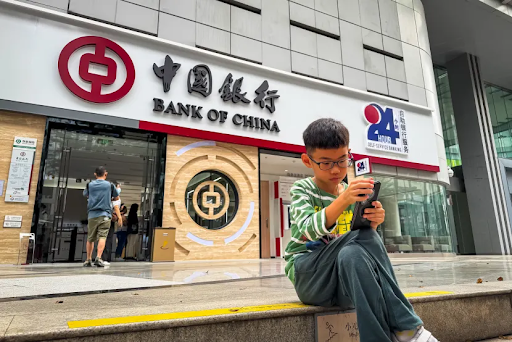
Chinese Lenders and the Challenge of Insufficient Lending | BizBlog News Chinese Lenders Face a Significant Challenge : They Are Unable to Lend Sufficiently The financial landscape in China is experiencing a seismic shift as lenders struggle to fulfill their core function : issuing loans effectively . This issue raises concerns about long term economic growth , financial stability , and the evolving priorities of the banking sector . With lending being a fundamental pillar of economic momentum , understanding why Chinese lenders are unable to lend sufficiently reveals crucial insights into the broader challenges facing the world ‘s second largest economy . The Core Challenge for Chinese Lenders Chinese lenders are battling a unique paradox . While they possess substantial liquidity , they struggle to allocate this capital effectively . Several factors underlie this conundrum , from weakened borrower confidence to regulatory constraints and diminishing returns on investments . The challenge is not merely operational but speaks to the structural complexities of China ‘s financial and economic framework . The Role of Borrower Confidence Borrower confidence plays a pivotal role in loan demand . In China, a declining real estate market , coupled with an uncertain global economic outlook , has eroded the confidence of businesses and individuals alike . Borrowers are increasingly hesitant to take on debt , fearing their inability to meet repayment obligations . This hesitation creates a feedback loop where lenders , in turn , reduce their willingness to lend due to perceived risks . Regulatory Pressures and Lending Restrictions China ‘ s regulatory landscape further compounds the lending dilemma . Stricter rules on credit allocation , designed to curb speculative investments and prevent systemic risks , have constrained the scope of lending . For instance , policies targeting excessive real estate speculation have restricted loans to developers , even as the sector struggles with liquidity shortages . While these measures aim to foster stability , they inadvertently limit credit flow to crucial sectors . Economic Slowdown and Dwindling Demand for Credit An economic slowdown exacerbates the challenge . As China ‘ s GDP growth decelerates, demand for credit naturally shrinks . Businesses scale back expansion plans , households defer major purchases, and investments dwindle . Even when loans are offered , the appetite for borrowing remains subdued . This mismatch between supply and demand highlights a critical inefficiency in the current financial ecosystem . The Ripple Effects of Insufficient Lending The inability of Chinese lenders to lend sufficiently has far reaching consequences. These effects extend beyond the financial sector , influencing broader economic stability , employment rates , and global trade dynamics . Impact on Economic Growth Lending is a key driver of economic activity . When credit flow stagnates , it hampers investment , curtails consumption , and limits the capacity of businesses to innovate or expand . This stagnation creates a cascading effect , slowing overall GDP growth and weakening the economy ‘s resilience to external shocks . Pressure on the Real Estate Market China’s real estate sector, a major contributor to its GDP , is particularly vulnerable . With credit access drying up , developers face liquidity crises , and construction projects stall . This scenario exacerbates the sector ‘s existing woes , leading to declining property values and reduced consumer confidence . Financial System Strain A lending slowdown can strain the financial system itself . Banks and lenders rely on interest from loans as a primary revenue stream . Prolonged periods of insufficient lending reduce profitability , potentially leading to non-performing loans (NPLs) and threatening the stability of the banking sector . The Underlying Causes of Insufficient Lending To address this issue , it is crucial to dissect the root causes contributing to Chinese lenders ‘ inability to lend sufficiently . These factors include external economic pressures , domestic policy shifts , and changing priorities within the financial sector . External Economic Pressures The global economic slowdown , rising geopolitical tensions , and uncertainties like trade wars have significantly influenced China ‘ s economic trajectory . These factors reduce cross border investments and weaken the demand for exports, indirectly impacting domestic credit cycles . Shifting Priorities of Lenders Chinese banks are increasingly prioritizing quality over quantity in their loan portfolios . This shift reflects a desire to mitigate risks associated with bad loans and align with regulatory goals of fostering sustainable growth . While this approach is prudent in the long term , it exacerbates short-term challenges in meeting lending targets . Navigating a Path Forward for Chinese Lenders Addressing this issue requires coordinated efforts from policymakers , financial institutions , and businesses . Solutions must balance immediate credit needs with long term stability and sustainability . Reviving Borrower Confidence To reignite lending , restoring borrower confidence is paramount. This can be achieved through measures such as fiscal stimulus , tax incentives , and guarantees for small and medium sized enterprises (SMEs) . Strengthening the safety net for borrowers encourages risk taking , which is vital for economic recovery . Policy Reforms to Encourage Lending Reforms aimed at easing credit constraints while maintaining oversight are essential. For example , targeted credit support for key sectors like technology , infrastructure , and green energy can spur growth without exacerbating financial risks . Promoting Innovation in Lending Practices Chinese lenders should explore innovative lending models , including digital finance solutions and alternative credit assessment methods . These innovations can enhance accessibility and efficiency in credit distribution , reaching underserved demographics and businesses . UseFull Links Technology Boeing Door Plug Incident Challenges on the Road to Recovery | BizBlog News January 5, 2025/No Comments Boeing Door Plug Incident Challenges on the Road to Recovery | BizBlog News A Year After Boeing ‘ s Door… Read More Microsoft to Invest $80 Billion in AI Data Centers | BizBlog News January 4, 2025/No Comments Microsoft to Invest $80 Billion in AI Data Centers | BizBlog News Microsoft Anticipates Allocating $80 Billion Toward AI Data…
Asia ‘s Central Banks and U.S . Dollar Impact: Currency Strength Challenges | BizBlog News
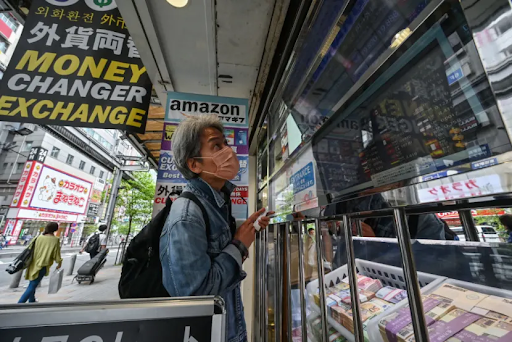
Asia ‘s Central Banks and U.S . Dollar Impact: Currency Strength Challenges | BizBlog News How Asia’s Central Banks Navigate the Rising Strength of the U.S. Dollar Asia’s central banks are grappling with an extraordinary financial challenge : the surging strength of the U.S. dollar . This phenomenon has sent ripples across global financial markets , deeply influencing economies in Asia that rely heavily on trade and foreign investment . As the dollar ‘ s dominance grows , Asian central banks are tasked with balancing domestic stability against external shocks . The Role of Asia ‘s Central Banks in Economic Stability Central banks in Asia have long been guardians of their respective economies, ensuring inflation control , currency stability , and fostering economic growth . With the U.S . dollar now at multi decade highs against many Asian currencies , their roles have grown even more critical . The strength of the U.S . dollar presents unique challenges , as it not only inflates import costs but also exerts pressure on local currencies . Understanding the Surge in the U.S. Dollar The U.S. dollar ‘s current strength can be attributed to a combination of factors . A tight monetary policy by the Federal Reserve , marked by aggressive interest rate hikes , has attracted global capital to the U.S . , strengthening the dollar . Additionally , geopolitical tensions and investor risk aversion have made the dollar a ” safe haven ” currency . For Asia , this dynamic leads to a double edged sword : while exports may become more competitive , the rising cost of imports and capital outflows intensify financial vulnerabilities . Impacts on Asian Economies Rising Import Costs and Inflation As the dollar strengthens , Asian countries relying heavily on imported goods , particularly energy and food , face ballooning costs . This contributes to heightened inflationary pressures , forcing central banks to raise interest rates often at the expense of domestic growth . Capital Flight and Debt Burdens Strong dollar environments often lead to capital outflows from emerging markets as investors seek higher returns in the U.S . Furthermore , many Asian countries hold significant U.S . dollar-denominated debt , which becomes costlier to service as their local currencies weaken . Trade Competitiveness: A Silver Lining On the flip side , weaker local currencies can make exports from Asia more competitive on the global stage . However , the net benefit depends on a country ’ s reliance on exports versus imports . Strategies Adopted by Asia’s Central Banks Currency Intervention Many Asian central banks , such as those in Japan and South Korea , have engaged in direct currency market interventions to stabilize their currencies . By selling U.S . dollars and buying local currencies , they aim to curb excessive volatility . Interest Rate Adjustments To prevent excessive capital outflows , several central banks in Asia have raised interest rates. However , this strategy can slow down domestic economic activity , making it a delicate balancing act . Building Foreign Exchange Reserves Countries like China and India have fortified their foreign exchange reserves to defend their currencies during turbulent times . This buffer provides central banks with the ability to manage currency depreciation more effectively . The Role of Regional Collaboration Asian economies are increasingly recognizing the importance of regional cooperation to counter the impacts of the strong dollar . Platforms like ASEAN and the Chiang Mai Initiative provide mechanisms for currency swaps and financial assistance , which help stabilize the region during crises . The Future Outlook for Asia Amid Dollar Dominance The dominance of the U.S . dollar is unlikely to wane soon. However , Asia ‘ s central banks are actively exploring measures to reduce their economies ’ dependence on the greenback . Efforts include promoting regional trade in local currencies and developing financial systems less susceptible to external shocks . The challenges presented by the strong U.S . dollar may reshape the economic policies of Asian nations , compelling them to innovate and adapt . Asia’s Central Banks Confront a Significant Challenge Asia’s central banks now face a stark reality: navigating their economies through the turbulence of a strong U.S . dollar . From balancing inflation to ensuring currency stability , the stakes have never been higher . But in adversity lies opportunity . As the dollar ’ s strength persists , Asia has a chance to fortify its financial systems and emerge more resilient than ever . UseFull Links Technology Boeing Door Plug Incident Challenges on the Road to Recovery | BizBlog News January 5, 2025/No Comments Boeing Door Plug Incident Challenges on the Road to Recovery | BizBlog News A Year After Boeing ‘ s Door… Read More Microsoft to Invest $80 Billion in AI Data Centers | BizBlog News January 4, 2025/No Comments Microsoft to Invest $80 Billion in AI Data Centers | BizBlog News Microsoft Anticipates Allocating $80 Billion Toward AI Data… Read More Moldova Gas Crisis: Russian Supply Risks via Ukraine | BizBlog News December 14, 2024/No Comments Moldova Gas Crisis: Russian Supply Risks via Ukraine | BizBlog News Moldova Declares State of Emergency Over Fears Russian Gas… Read More Load More End of Content. Home About Stories Contact UseFull Links Technology Boeing Door Plug Incident Challenges on the Road to Recovery | BizBlog News January 5, 2025/No Comments Boeing Door Plug Incident Challenges on the Road to Recovery | BizBlog News A Year After Boeing ‘ s Door… Read More Microsoft to Invest $80 Billion in AI Data Centers | BizBlog News January 4, 2025/No Comments Microsoft to Invest $80 Billion in AI Data Centers | BizBlog News Microsoft Anticipates Allocating $80 Billion Toward AI Data… Read More Moldova Gas Crisis: Russian Supply Risks via Ukraine | BizBlog News December 14, 2024/No Comments Moldova Gas Crisis: Russian Supply Risks via Ukraine | BizBlog News Moldova Declares State of Emergency Over Fears Russian Gas… Read More Load More End of Content.

Aviation Industry Challenges & Long-Term Issues | BizBlog News
Aviation Industry Challenges & Long-Term Issues | BizBlog News The Aviation Industry’s Decades-Long Struggle : Can It Overcome the Challenges ? The aviation industry, an integral part of global connectivity and commerce , is currently navigating a turbulent path . From sustainability issues and rising fuel costs to workforce shortages and geopolitical disruptions , the hurdles ahead are daunting . Some of these challenges demand immediate action , while others may require years or even decades to resolve . Understanding the Core Challenges of the Aviation Industry The aviation sector has always been subject to dynamic pressures . However , today ’ s challenges are more complex , requiring innovative solutions and collaborative efforts . Let’s delve into some key issues shaping the industry’s future . Sustainability in Aviation : A Pressing Concern The aviation industry faces mounting pressure to reduce its carbon footprint . With aviation contributing approximately 2.5% of global CO2 emissions , the call for greener solutions is loud and clear . Airlines are exploring alternative fuels , electric planes , and operational efficiencies , but these innovations are still years away from achieving large scale adoption . Sustainable Aviation Fuel (SAF) : A promising yet costly alternative , SAF can reduce emissions by up to 80% . However , production volumes and high costs limit its current feasibility . Electric Aircraft : While prototypes exist , the technology is not yet scalable for long haul flights . Carbon Offset Programs : Though helpful , these are often criticized for being a temporary fix rather than a permanent solution . Labor Shortages: A Crisis in the Making The COVID-19 pandemic led to significant layoffs and early retirements , leaving the aviation industry grappling with a critical shortage of skilled workers . Pilots and Maintenance Crew : Training new pilots can take years , creating a bottleneck in workforce replenishment. Ground Staff and Cabin Crew : High stress and low wages make these roles unattractive , exacerbating staffing issues . Investments in training programs and employee retention strategies are essential , but these solutions are neither quick nor simple . Rising Operating Costs Fuel prices and maintenance expenses continue to strain airline profitability. The aviation industry operates on thin margins, and the volatile nature of fuel costs adds to the uncertainty. Impact of Global Events: Conflicts like the Russia Ukraine war have disrupted fuel supply chains , driving prices higher . Inflationary Pressures: Aircraft parts and maintenance services are becoming more expensive , increasing operational costs . Geopolitical and Regulatory Hurdles International aviation relies heavily on geopolitical stability and standardized regulations . However , recent disruptions have highlighted the fragility of this interdependence . Airspace Restrictions : Conflicts can lead to rerouted flights , increasing travel time and fuel consumption . Regulatory Disparities : Differing safety and environmental regulations across countries complicate international operations . Technology Adoption and Cybersecurity Risks The digital transformation of aviation is essential for efficiency , but it comes with challenges like cybersecurity threats and high implementation costs . Smart Airports : While automation and AI enhance passenger experience , integrating these technologies is costly and time consuming . Cyber Threats : The reliance on digital systems exposes airlines to potential breaches , which could disrupt operations and compromise safety . The Aviation Industry’s Resilience: Moving Towards Solutions Despite these challenges , the aviation industry has a long history of resilience . Collaborative efforts between governments , airlines , and technology providers can pave the way for sustainable growth . A Path to Sustainability Achieving carbon neutrality by 2050 is a shared goal across the industry . Investments in research and development , combined with regulatory support , can accelerate the adoption of sustainable practices . Workforce Development Initiatives Addressing labor shortages requires a two-pronged approach : attracting new talent and retaining experienced workers . Offering competitive wages , fostering a supportive work environment , and providing career growth opportunities are key . Leveraging Technological Advancements From blockchain for ticketing to AI-driven maintenance solutions , technology offers a roadmap to enhanced efficiency and security . Investments in digital infrastructure can also future proof the industry . Collaborative Policy Making Harmonized regulations and international cooperation are critical to overcoming geopolitical and operational challenges . Global initiatives like CORSIA ( Carbon Offsetting and Reduction Scheme for International Aviation ) demonstrate the power of collective action . The Aviation Industry’s Challenges: A Balancing Act The aviation industry ’ s challenges are multifaceted and deeply interconnected . Tackling them requires balancing immediate needs with long-term strategies . While some solutions may take years to materialize , the industry ’ s adaptability and innovation offer hope for a sustainable and efficient future . UseFull Links Technology Boeing Door Plug Incident Challenges on the Road to Recovery | BizBlog News January 5, 2025/No Comments Boeing Door Plug Incident Challenges on the Road to Recovery | BizBlog News A Year After Boeing ‘ s Door… Read More Microsoft to Invest $80 Billion in AI Data Centers | BizBlog News January 4, 2025/No Comments Microsoft to Invest $80 Billion in AI Data Centers | BizBlog News Microsoft Anticipates Allocating $80 Billion Toward AI Data… Read More Moldova Gas Crisis: Russian Supply Risks via Ukraine | BizBlog News December 14, 2024/No Comments Moldova Gas Crisis: Russian Supply Risks via Ukraine | BizBlog News Moldova Declares State of Emergency Over Fears Russian Gas… Read More Load More End of Content. Home About Stories Contact UseFull Links Technology Boeing Door Plug Incident Challenges on the Road to Recovery | BizBlog News January 5, 2025/No Comments Boeing Door Plug Incident Challenges on the Road to Recovery | BizBlog News A Year After Boeing ‘ s Door… Read More Microsoft to Invest $80 Billion in AI Data Centers | BizBlog News January 4, 2025/No Comments Microsoft to Invest $80 Billion in AI Data Centers | BizBlog News Microsoft Anticipates Allocating $80 Billion Toward AI Data… Read More Moldova Gas Crisis: Russian Supply Risks via Ukraine |

Tencent Shares Drop 7% in Hong Kong After U.S. Military Company Designation | BizBlog News
Tencent Shares Drop 7% in Hong Kong After U.S. Military Company Designation | BizBlog News Tencent Shares Dropped 7% in Hong Kong: The Ripple Effect of U.S. Military Company Designation Global markets were abuzz after Tencent shares dropped 7% in Hong Kong, following the U.S. government ’ s decision to classify the tech giant as a Chinese military company . This designation , part of ongoing geopolitical tensions , has raised concerns among investors and ignited debate about its implications for the global tech industry , financial markets , and U.S. China relations . Understanding the U.S. Designation of Tencent The U.S. government has ramped up its scrutiny of Chinese companies , alleging connections to military activities . This week , Tencent joined a growing list of firms labeled as Chinese military companies, placing it under restrictions for U.S. investors . While the classification does not immediately freeze Tencent’s global operations, it creates uncertainty , leading to significant stock market reactions. The 7% plunge in Tencent’s share price reflects shaken investor confidence, both in Hong Kong and internationally . Why Tencent Matters Globally Tencent is not just another Chinese company ; it is a global powerhouse with : Gaming Dominance : Known for titles like Honor of Kings and its stake in Epic Games , Tencent leads the global gaming market . Social Media Impact : With WeChat’s massive user base , Tencent has a far reaching influence on communication and commerce . Investments Worldwide : Tencent holds stakes in tech companies like Tesla , Spotify , and Snap, making it integral to global innovation . How Geopolitical Tensions Drive Market Volatility The U.S China trade war and broader geopolitical disputes have amplified tensions. By targeting firms like Tencent , the U.S . aims to curtail China ’s technological advancements. However , this approach creates a dual effect : Investor Hesitation : Affected companies face potential loss of funding , partnerships , and reputational damage . Market Disruption : Global indices , particularly in Asia , experience sharp declines due to the uncertainty surrounding such designations . The Immediate Fallout on Tencent’s Stock When the news broke , Tencent ‘s stock price dropped by 7% , wiping out billions in market capitalization . The immediate reaction highlighted : Investor Panic : Concerns over Tencent ’ s future access to U.S. capital and markets . Broader Market Impacts : A spillover effect on other Hong Kong listed tech companies , including Alibaba and JD.com . Legal and Financial Repercussions Being labeled a Chinese military company restricts U.S . investors from buying or holding Tencent stocks . This raises questions : What will happen to Tencent ’ s U.S . investments? Could this lead to delistings or operational hurdles globally ? Tencent may also face reputational damage, potentially deterring Western partners and investors . Tencent’s Response to the Allegations In a statement , Tencent denied any connections to the Chinese military . The company emphasized its role as a private enterprise focused on innovation and global collaboration . Tencent ’ s leadership is exploring legal and diplomatic channels to contest the designation . How This Affects Global Investors The fallout extends beyond Tencent ’ s immediate shareholders : Asian Markets : With Tencent being a key player in Hong Kong ’ s Hang Seng Index, its decline dragged the broader market down . U.S. Investors : Funds and ETFs holding Tencent face compliance challenges, potentially leading to forced sales . Future Investments : Rising geopolitical tensions may discourage cross-border tech investments . Impact on the Chinese Tech Ecosystem Tencent’s struggles reflect a larger narrative affecting Chinese tech firms . Increasing scrutiny from both the U.S . and domestic regulators has created a precarious environment for growth and innovation . The Broader Implications of U.S . Policy The U.S.’s move raises several critical questions : How effective is this strategy in curbing Chinese technological influence ? Will it escalate economic decoupling between the two superpowers ? What does this mean for other multinationals operating in China ? Opportunities Amid Challenges Despite the setbacks, Tencent has opportunities to : Diversify Markets : Strengthen its presence in regions like Southeast Asia and Africa . Focus on Innovation : Leverage its R&D to mitigate reliance on foreign markets . Expand Partnerships : Collaborate with non U.S. entities to maintain growth momentum . Tencent Shares Dropped : What Lies Ahead ? The plunge in Tencent ’ s share price underscores the complex interplay of politics , business , and investor sentiment . While the designation as a Chinese military company poses challenges , Tencent’s global influence and robust ecosystem may help it weather the storm . UseFull Links Technology Boeing Door Plug Incident Challenges on the Road to Recovery | BizBlog News January 5, 2025/No Comments Boeing Door Plug Incident Challenges on the Road to Recovery | BizBlog News A Year After Boeing ‘ s Door… Read More Microsoft to Invest $80 Billion in AI Data Centers | BizBlog News January 4, 2025/No Comments Microsoft to Invest $80 Billion in AI Data Centers | BizBlog News Microsoft Anticipates Allocating $80 Billion Toward AI Data… Read More Moldova Gas Crisis: Russian Supply Risks via Ukraine | BizBlog News December 14, 2024/No Comments Moldova Gas Crisis: Russian Supply Risks via Ukraine | BizBlog News Moldova Declares State of Emergency Over Fears Russian Gas… Read More Load More End of Content. Home About Stories Contact UseFull Links Technology Boeing Door Plug Incident Challenges on the Road to Recovery | BizBlog News January 5, 2025/No Comments Boeing Door Plug Incident Challenges on the Road to Recovery | BizBlog News A Year After Boeing ‘ s Door… Read More Microsoft to Invest $80 Billion in AI Data Centers | BizBlog News January 4, 2025/No Comments Microsoft to Invest $80 Billion in AI Data Centers | BizBlog News Microsoft Anticipates Allocating $80 Billion Toward AI Data… Read More Moldova Gas Crisis: Russian Supply Risks via Ukraine | BizBlog News December 14, 2024/No
Boeing Door Plug Incident Challenges on the Road to Recovery | BizBlog News
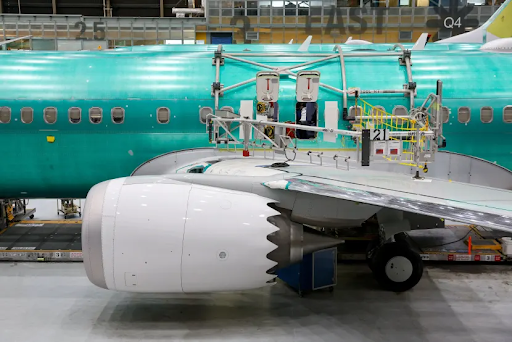
Boeing Door Plug Incident Challenges on the Road to Recovery | BizBlog News A Year After Boeing ‘ s Door Plug Incident: A Challenging Path to Recovery The aviation world remains in flux a year after Boeing ’ s infamous door plug incident , a mishap that highlighted critical safety concerns in the industry . The company’s journey to rebuild its reputation , innovate responsibly , and address operational challenges is now under global scrutiny . This article explores the setbacks , strategies , and opportunities shaping Boeing’s challenging path to recovery . The Boeing Door Plug Incident: A Flashback Boeing faced a startling safety issue when a manufacturing defect in certain aircraft door plugs compromised the integrity of the planes . This revelation led to grounded flights , widespread delays , and a ripple effect on airline schedules . The incident raised questions about manufacturing oversight and quality control at one of the world ‘ s most prominent aerospace companies . What Went Wrong? The issue stemmed from faulty plugs used to seal emergency exits . The defect could have potentially allowed cabin depressurization under specific circumstances , endangering passenger safety . The flaw was traced to supply chain inconsistencies and inadequate testing protocols . Immediate Fallout Grounding of over 150 aircraft across major carriers . Financial losses for both Boeing and airlines relying on its planes . Regulatory investigations from the FAA , EASA , and other aviation bodies . Damage to Boeing ‘s reputation , already reeling from the 737 MAX crises . Boeing’s Road to Recovery: A Multi-Faceted Approach To recover from this crisis , Boeing is implementing a comprehensive strategy focusing on safety , transparency , and technological innovation . Let ’s examine the pivotal steps . Strengthening Quality Control Boeing has revamped its quality assurance protocols to prevent similar incidents . These measures include : Enhanced testing procedures for components . Stringent supplier audits to ensure consistency . Regular internal assessments of manufacturing processes . Regaining Customer Trust The company has prioritized open communication with its customers and stakeholders . Airlines , in particular , have been reassured through frequent updates and robust compensation packages . Technological Innovations Post incident , Boeing has doubled down on innovation, integrating advanced AI driven quality checks and using digital twins to simulate real world stress on aircraft components . The Economic Impact of the Incident Boeing ’ s door plug issue has left an indelible mark on its financial stability . Analyzing the economic impact reveals broader implications for the aviation industry . Revenue Losses Boeing reported a significant dip in revenue for Q2 and Q3 of 2024 . The incident added to existing financial pressures , delaying new orders and delivery schedules . Shareholder Confidence Investor confidence wavered , as reflected in the stock market . Boeing ’ s shares saw a temporary dip following the grounding announcements , but recent recovery signs show gradual stabilization . Costs of Rectification The costs of fixing the defect , compensating airlines , and conducting additional quality checks have further strained the company ’ s bottom line . The Role of Regulation in Recovery Boeing ’ s recovery is closely tied to regulatory scrutiny . The FAA and its counterparts globally have intensified oversight to ensure compliance and safety . Revised Certification Processes The FAA has mandated stricter certification standards for new aircraft models , compelling Boeing to adapt its processes . Collaborative Efforts Boeing is now working closely with regulatory bodies to restore faith in its aircraft . Collaborative safety workshops and shared data initiatives highlight a proactive approach . Rebuilding Brand Trust The Boeing brand , once synonymous with innovation and safety , now faces the daunting task of restoring its image . Marketing Initiatives Boeing has launched campaigns emphasizing safety and reliability , coupled with testimonials from pilots and engineers . Transparency and Communication The company has adopted a transparent communication strategy , regularly updating the public on recovery milestones and safety measures . Industry-Wide Lessons from Boeing’s Crisis The incident serves as a case study for the aviation industry . Key takeaways include : The critical importance of supply chain management . The need for rigorous testing protocols at every stage of manufacturing . Transparent communication to maintain trust in times of crisis . Looking Forward : Boeing ’ s Vision for 2025 Boeing has laid out an ambitious vision for the future , encompassing sustainability , safety , and innovation . Sustainability Goals Boeing aims to lead the charge in green aviation , focusing on fuel efficient aircraft and sustainable manufacturing practices . Next-Generation Aircraft The company is investing heavily in R&D to design aircraft with enhanced safety features , leveraging AI and advanced materials . UseFull Links Technology Microsoft to Invest $80 Billion in AI Data Centers | BizBlog News January 4, 2025/No Comments Microsoft to Invest $80 Billion in AI Data Centers | BizBlog News Microsoft Anticipates Allocating $80 Billion Toward AI Data… Read More Moldova Gas Crisis: Russian Supply Risks via Ukraine | BizBlog News December 14, 2024/No Comments Moldova Gas Crisis: Russian Supply Risks via Ukraine | BizBlog News Moldova Declares State of Emergency Over Fears Russian Gas… Read More Microsoft Faces £1 Billion Cloud Overcharging Lawsuit | BizBlog News December 4, 2024/No Comments Microsoft Faces £1 Billion Cloud Overcharging Lawsuit | BizBlog News Microsoft Hit with £1 Billion Lawsuit for Alleged Overcharging of… Read More Load More End of Content. Home About Stories Contact UseFull Links Technology Microsoft to Invest $80 Billion in AI Data Centers | BizBlog News January 4, 2025/No Comments Microsoft to Invest $80 Billion in AI Data Centers | BizBlog News Microsoft Anticipates Allocating $80 Billion Toward AI Data… Read More Moldova Gas Crisis: Russian Supply Risks via Ukraine | BizBlog News December 14, 2024/No Comments Moldova Gas Crisis: Russian Supply Risks via Ukraine | BizBlog News Moldova Declares State of Emergency Over Fears Russian Gas… Read More Microsoft Faces £1 Billion Cloud Overcharging