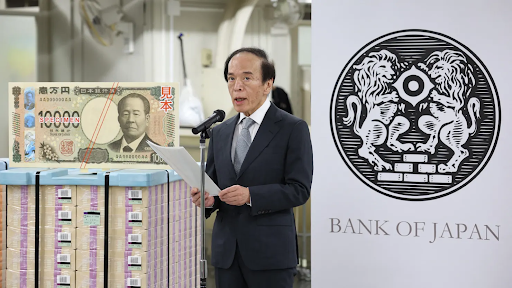
Why the Bank of Japan’s Interest Rate Decision Matters
The Bank of Japan has long maintained an ultra loose monetary policy , characterized by negative interest rates and large scale asset purchases . This strategy was designed to combat deflation and stimulate economic growth . However , times are changing . Inflation in Japan has started to rise , and the global trend of central banks tightening monetary policies has added pressure on the BOJ to follow suit .
Raising interest rates is not a trivial decision . It signals a shift in focus from stimulating growth to controlling inflation . This change could have far-reaching consequences for domestic and international markets alike .
Understanding the CNBC Survey and Its Implications
The CNBC survey that hinted at a possible interest rate hike by the BOJ reflects the sentiment of economists and financial analysts closely following the central bank’s policies . The survey results come as Japan faces increasing inflationary pressures, with consumer prices rising faster than anticipated .
This expectation stems from:
- Rising Inflation : Japan’s core consumer price index (CPI) has been consistently exceeding the BOJ’s 2% target .
- Global Central Bank Trends : Major central banks like the Federal Reserve and the European Central Bank have been raising rates to combat inflation .
- Weakened Yen : A prolonged low rate policy has led to a weaker yen , making imports more expensive and further stoking inflation .
While the CNBC survey does not confirm an imminent rate hike , it indicates growing expectations that the BOJ might finally pivot its policy .
Why Is the BOJ Considering an Interest Rate Hike?
The BOJ ‘s primary mandate has been to ensure price stability and sustainable economic growth . However , recent developments have forced the central bank to reassess its priorities :
- Inflationary Pressures : For decades, Japan grappled with deflation, but the narrative has shifted as inflation surges . The BOJ now faces the challenge of balancing inflation control with economic growth .
- Market Stability : A prolonged period of ultra-low interest rates has distorted market dynamics, creating risks in the bond market and housing sector .
- International Influence : As other central banks continue to raise rates , maintaining ultra-low rates could lead to a capital flight , further weakening the yen .
Impact of an Interest Rate Hike on Japan’s Economy
If the BOJ raises rates , it would be a monumental shift in policy with several potential effects :
1. Strengthening the Yen
An interest rate hike typically attracts foreign capital , leading to currency appreciation . A stronger yen could make imports cheaper , easing inflationary pressures . However , it could also hurt Japan ’s export driven economy by making its goods more expensive overseas.
2. Increased Borrowing Costs
Higher interest rates would increase borrowing costs for businesses and consumers . This could dampen investment and consumer spending , potentially slowing economic growth .
3. Impact on the Housing Market
Japan’s housing market , which has benefited from low borrowing costs , could face challenges . Mortgage rates would rise , potentially reducing demand for housing .
4. Bond Market Repercussions
The BOJ has been a dominant player in Japan ‘s bond market , purchasing government bonds to keep yields low . A rate hike could lead to volatility in bond markets , as investors adjust to the new reality .
How Global Markets Could React
The Bank of Japan’s policies hold significant weight in global financial markets . A rate hike could trigger a series of reactions :
- Currency Markets : A stronger yen could affect major currencies like the U.S. dollar and the euro .
- Stock Markets : Japanese equities might face pressure as higher rates weigh on corporate profits .
- Trade Dynamics : Countries trading with Japan could experience shifts in trade balances due to currency fluctuations .
Historical Context: BOJ’s Relationship With Interest Rates
To appreciate the significance of this potential move, it ’s essential to understand the BOJ ’s historical stance on interest rates . Since the 1990s , Japan has maintained near zero or negative rates in response to deflationary pressures and sluggish economic growth . The ” lost decade ” following the 1990s asset bubble collapse left a lasting impact, shaping the BOJ’s preference for loose monetary policy .
This legacy of low rates has been both a blessing and a curse . While it has supported growth , it has also led to unintended consequences , such as high public debt and market distortions.
Potential Risks of Raising Interest Rates
While raising rates may help combat inflation, it is not without risks . The BOJ must navigate these challenges carefully :
- Economic Slowdown : Higher rates could reduce consumer and business spending, slowing the economy .
- Debt Sustainability : Japan ’s public debt , the highest among developed nations, could become harder to manage with higher borrowing costs .
- Market Volatility : A sudden shift in policy could unsettle financial markets, both domestically and internationally .
What Analysts Are Saying About the CNBC Survey
Financial analysts have weighed in on the CNBC survey , with mixed reactions :
- Some believe a rate hike is overdue , given rising inflation and yen weakness .
- Others caution that raising rates prematurely could derail Japan’s economic recovery .
- A third camp argues for a more gradual approach , suggesting the BOJ should signal its intentions before taking action .
What This Means for Everyday Japanese Citizens
For the average Japanese household, an interest rate hike could have mixed outcomes:
- Positive Effects : A stronger yen could reduce the cost of imported goods, easing inflationary pressures .
- Negative Effects : Higher borrowing costs could make mortgages and personal loans more expensive .
The BOJ ’s decision will directly impact the cost of living and financial planning for millions of citizens .