
Introduction The global financial markets are facing renewed volatility as the Trump administration announced broader-than-expected reciprocal tariffs. This latest move...
The aerospace giant Boeing marked a significant achievement by delivering 33 jets in September 2024, signaling a steady output amid mounting global demands for aircraft. However, this accomplishment comes with looming concerns that cast a shadow over the company’s future performance—an impending strike by aerospace workers that threatens to disrupt its production lines. This double-edged situation puts Boeing in the delicate position of balancing current deliveries with mitigating the potential consequences of halted operations.
While delivering 33 planes in a single month is a commendable feat, the broader context reveals challenges that could reverberate through the aviation industry. As airlines depend on timely deliveries of aircraft to meet increasing passenger and cargo demands, any disruption could have serious implications. In this blog, we’ll explore Boeing’s September performance, the potential impact of the upcoming strike, and the overall dynamics of the aerospace sector in light of these developments.
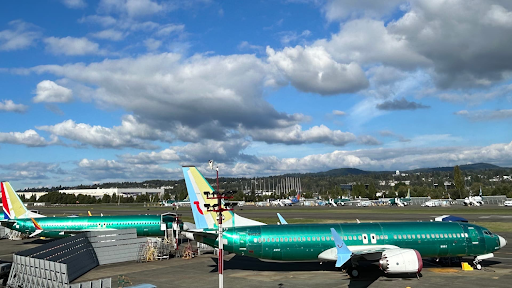
In September 2024, Boeing successfully delivered 33 jets, maintaining its steady role as a leading planemaker despite ongoing pressures. This figure included various models, such as Boeing 787 Dreamliners and the ever-popular 737 MAX aircraft, widely used by airlines across the globe. The deliveries were spread across commercial planes for passenger airlines, cargo planes for logistics companies, and other aircraft orders, showcasing Boeing’s broad production capacity.
The demand for planes has remained high as airlines recover from the pandemic and expand their fleets to accommodate growing passenger numbers. Boeing’s 33 jet deliveries in September indicate that the company has managed to navigate through multiple challenges, such as supply chain disruptions and logistical bottlenecks. However, the story doesn’t end here.
The impending strike by the International Association of Machinists and Aerospace Workers (IAMAW) has put Boeing’s operations under a magnifying glass. Workers are threatening to go on strike over disputes related to wages, working conditions, and job security. This strike could potentially disrupt Boeing’s production lines, delaying future jet deliveries and significantly impacting the aerospace giant’s business operations.
A strike of this magnitude could not only slow Boeing’s output but also lead to delayed delivery schedules for airlines waiting on new planes. This would be a blow to Boeing’s reputation in the global market, especially as it continues to compete with its European rival Airbus for dominance in the global planemaking market. A prolonged work stoppage could also affect Boeing’s ability to secure new aircraft orders and meet its contractual obligations to carriers.
The workers at Boeing’s factories, represented by IAMAW, have expressed concerns about pay, benefits, and long-term job security. Negotiations between the union and Boeing have been ongoing, but workers believe that their contributions to Boeing’s success, especially during difficult times such as the COVID-19 pandemic, warrant better compensation and guarantees.
Boeing is faced with a delicate situation. On one hand, keeping labor costs under control is vital for maintaining competitiveness in the global planemaking market. On the other hand, satisfying the demands of its workforce is essential to prevent costly work stoppages that could delay production and tarnish the company’s relationship with airlines and other customers. As tensions rise, Boeing will need to tread carefully to avoid the strike or at least minimize its impact on operations.
Boeing is no stranger to strikes. In fact, the company has faced multiple work stoppages in the past, with the most notable being the 2008 strike, which lasted eight weeks and delayed the production of several aircraft, including the now-famous Dreamliner planes. This strike cost Boeing approximately $2 billion in revenue, demonstrating the significant financial risk strikes pose to the company.
While Boeing managed to recover from past strikes, the modern-day aerospace market is more competitive, with Airbus breathing down Boeing’s neck in the race for aircraft orders. A strike in today’s landscape could be far more damaging, particularly as airlines ramp up their fleets post-pandemic. The increasing complexity of supply chains, combined with the heightened demand for planes, makes any interruption to production a potential disaster for Boeing.
As Boeing braces for a potential strike, its European rival Airbus continues to ramp up its production of commercial jets, aiming to capture a larger share of the market. Airbus has been expanding its influence with popular models like the A320neo family, which directly competes with Boeing’s 737 MAX series. Airbus’s steady production and ability to meet customer demands quickly could give it an edge if Boeing’s production slows due to the strike.
Airlines seeking new planes are unlikely to wait for Boeing to resolve its internal disputes and may turn to Airbus to meet their needs. This would further hurt Boeing’s market share and put additional pressure on the company to resolve its labor issues as swiftly as possible.
Boeing and Airbus dominate the global aerospace market, with each company fiercely competing for orders from airlines, cargo carriers, and governments. Despite Boeing’s impressive September deliveries, the company’s overall performance in 2024 has seen some fluctuations. Boeing’s deliveries are down year over year through September, with the strike looming large over its prospects for a strong year-end performance.
The global planemaking market is highly competitive, and delays in deliveries can lead to shifts in market dominance. As airlines look to replace aging fleets and adopt newer, more fuel-efficient planes, any disruption in Boeing’s production could drive airlines towards Airbus or other emerging aerospace players. Therefore, Boeing’s ability to navigate both its internal challenges and the broader industry landscape will be crucial to its future success.
Airlines across the globe have been placing substantial orders for new planes, driven by an increase in passenger traffic and a focus on sustainability through fuel-efficient aircraft like Boeing’s 737 MAX and 787 Dreamliner. Delays in deliveries due to a potential strike could severely disrupt airline operations, particularly for those relying on new planes to expand their fleets or retire older models.
For airlines like United Airlines and other major carriers, any delay in receiving new planes could affect their schedules, routes, and profitability. This ripple effect could lead to tensions between Boeing and its airline customers, further complicating Boeing’s standing in the competitive aerospace market.
As Boeing celebrates its September delivery of 33 jets, the looming strike raises serious questions about the company’s ability to maintain this level of performance. With the possibility of work stoppages disrupting production, Boeing must prioritize resolving its labor disputes while simultaneously delivering on its commitments to airlines and other customers. The future of Boeing’s dominance in the aerospace industry may well depend on its handling of this delicate situation.
September 2024 proved to be a month of solid achievements for Boeing, with the delivery of 33 aircraft to airlines and cargo carriers. These deliveries ranged from passenger jets, such as the 737 MAX and 787 Dreamliner, to specialized cargo planes, reflecting Boeing’s versatility and broad appeal in the aerospace market.
These deliveries provide a much-needed boost for Boeing as it strives to maintain a steady flow of planes to its customers. However, the good news of these deliveries is tempered by the looming threat of a strike, which could bring future deliveries to a grinding halt.

Introduction The global financial markets are facing renewed volatility as the Trump administration announced broader-than-expected reciprocal tariffs. This latest move...

Introduction As the world braces for a new wave of tariffs imposed by former U.S. President Donald Trump, global markets...

Market Overview The Indian equity markets faced a turbulent start in Tuesday’s trade, with both the Nifty 50 and Sensex...

Google AI Model Release : The Next Stage in Google’s Virtual Agent Push Google has taken a bold step in...

Ferrari earnings growth 2025 Shares Pop 8% as Luxury Carmaker Sees Further Earnings Growth Ferrari earnings growth 2025 , the...
How China’s DeepSeek Benefits for India: A New Era of Technological Synergy China’s advanced technological solutions, like DeepSeek, have been...