

HSBC to Exit M&A and Capital Markets Businesses in UK, Europe, and the U.S.: A Strategic Shift As HSBC decides to exit its mergers and acquisitions (M&A) and capital markets businesses in the UK, Europe, and the U.S ., the bank has made a bold move to realign its focus . This strategic shift has far-reaching implications for the global banking landscape , particularly as HSBC doubles down on its core growth markets in Asia Pacific . But what does this exit signify for HSBC’s business model , the broader banking industry, and clients who rely on its investment banking services ? Let’s delve into this seismic decision , the rationale behind it , and its potential impact . Why Is HSBC Exiting M&A and Capital Markets Businesses? HSBC , one of the world’s largest financial institutions , has consistently been at the forefront of global banking . However , the decision to exit the M&A and capital markets businesses in the UK, Europe, and the U.S . signals a pivot in strategy . The bank aims to reduce costs and refocus its resources on regions where it sees more profitable opportunities . This move aligns with HSBC’s strategy to focus on Asia, particularly the Greater China region, Southeast Asia, and India , where the bank has historically performed well . The rationale is simple: with slowing growth in Western markets and mounting regulatory and operational costs , HSBC sees greater potential in regions where its brand and expertise offer a competitive advantage . Moreover, the changing dynamics in the global economy, including the rise of Asian economies as dominant players in trade and capital flows , have further underscored the necessity of this transition . By concentrating on wealth management and retail banking in Asia , HSBC seeks to carve out a leadership position in this rapidly growing market . Understanding HSBC’s M&A and Capital Markets Operations Before analyzing the exit, it ‘s essential to understand the nature of HSBC ‘s M&A and capital markets businesses . These segments cater to corporate clients by offering services such as : Advisory for mergers, acquisitions, and divestitures Capital raising for equity and debt markets Structured finance solutions The decision to exit these operations means HSBC will no longer compete in one of the most lucrative yet volatile segments of investment banking in Western markets . Instead, the bank plans to focus its resources on less capital-intensive but high return areas, including private banking , wealth management , and trade financing in Asia . Key Implications for the Banking Industry HSBC’s exit from M&A and capital markets businesses in the UK , Europe, and the U.S . will likely have ripple effects across the industry. This strategic pivot is emblematic of broader trends in global finance , such as : Consolidation of Investment Banking Services : With HSBC bowing out, larger U.S.-based firms such as JPMorgan Chase and Goldman Sachs may seize the opportunity to dominate market share further in the West . Focus on Emerging Markets : HSBC’s retreat could serve as a signal to other banks that emerging markets, particularly in Asia, hold more promise than their Western counterparts . Talent Migration : Investment bankers and capital markets professionals at HSBC will likely transition to competing firms, potentially reshaping the competitive landscape . A Strategic Pivot: Growth in Asia HSBC’s decision is not merely about cutting losses; it represents a significant pivot toward its long-term growth strategy . Asia now accounts for approximately 65% of HSBC’s profits, a trend that has strengthened the bank’s resolve to double down on this region . In China, HSBC benefits from a long-standing presence and robust connections to international trade flows . Similarly , in India and Southeast Asia , rising wealth and investment opportunities align well with the bank’s expertise in private banking and trade finance . Furthermore , the bank has announced plans to invest billions of dollars in expanding its digital infrastructure and enhancing its capabilities in wealth management across Asia . These investments aim to cater to the growing middle class population and affluent individuals in the region . Client Impact : What Does This Mean for Businesses? Corporate clients relying on HSBC for M&A and capital markets services in the UK , Europe , and the U.S . will need to look elsewhere for these services . The bank’s decision leaves a gap in advisory and capital raising services, which could be filled by competing global or regional players . For HSBC’s clients in Asia , however , the focus on wealth management and trade finance is likely to translate into more tailored services and increased investments in client relationships . The Bigger Picture: What Lies Ahead for HSBC? While the decision to exit M&A and capital markets businesses in the UK and other Western regions may seem like a retreat , it is part of a calculated strategy . HSBC’s leadership has acknowledged the challenges posed by operating in saturated , competitive markets with thin margins . Instead , the bank aims to position itself as the premier financial institution in Asia , leveraging its long history and deep expertise in the region . This restructuring will likely take time to yield results , but the bank’s commitment to streamlining its operations and focusing on growth markets sets it apart as a forward-thinking player in the financial industry . HSBC to Exit M&A and Capital Markets Businesses in UK : A Defining Moment HSBC’s strategic exit underscores a pivotal moment for the bank and the broader financial services industry . As HSBC to exit M&A and capital markets businesses in UK , Europe , and the U.S ., the bank’s ability to adapt to changing global dynamics will determine its long-term success . By narrowing its focus and aligning resources with growth opportunities in Asia , HSBC is making a bold bet on the future . Whether this move pays off or leaves room for

SK Hynix Hits Record Profit Amid AI Boom | BizBlog News
SK Hynix Hits Record Profit Amid AI Boom | BizBlog News SK Hynix Achieves Record-High Profit Driven by AI Boom, But Shares Decline Due to Demand Uncertainty The rapid advancement of artificial intelligence has ushered in tremendous opportunities for the global semiconductor industry. Amid this transformative wave , SK Hynix , one of the world’s leading memory chip manufacturers , has achieved a remarkable milestone by reporting a record high profit . However , despite its stellar financial performance , its stock prices faced a downturn, reflecting growing investor concerns over uncertain market demand . This paradox highlights the volatility and complexity of the semiconductor landscape in an AI driven era . How AI is Driving SK Hynix’s Record Profit Artificial intelligence has revolutionized industries worldwide , fueling the demand for high performance memory chips . SK Hynix , known for its cutting edge DRAM and NAND flash products , is reaping the benefits of this AI boom . With generative AI models like ChatGPT, autonomous systems , and cloud computing on the rise , SK Hynix is uniquely positioned to supply the advanced memory solutions that power these technologies . The Role of HBM (High-Bandwidth Memory) At the core of SK Hynix’s record profits lies its dominance in high-bandwidth memory (HBM) chips . These specialized chips are designed to handle data intensive AI workloads , making them indispensable for tech giants deploying AI driven applications . HBM products , including the highly sought after HBM3 chips , have become a game changer in the AI hardware ecosystem . Companies like Nvidia , which manufacture GPUs for AI and machine learning , heavily rely on SK Hynix ‘s HBM technology . The exponential growth in AI driven industries has skyrocketed the demand for these chips , cementing SK Hynix’s leadership in this niche . Why SK Hynix Shares Declined Despite Record Profit While SK Hynix celebrated a stellar financial quarter , its stock prices told a different story . Investors appeared cautious , as broader concerns about semiconductor demand emerged . The semiconductor industry is notoriously cyclical , and recent developments have heightened uncertainties . Demand Uncertainty in Consumer Electronics One major factor weighing on investor sentiment is the slowdown in consumer electronics . Global inflation , economic uncertainties , and changing consumer priorities have dampened demand for smartphones , PCs , and other gadgets all key markets for memory chips . While AI-driven demand is surging , it’s not yet sufficient to offset the broader slowdown in other sectors . Overcapacity Concerns Another factor fueling the dip in SK Hynix’s share price is the potential risk of overcapacity . Memory chip production is capital intensive, and when companies ramp up production to meet AI related demand, the market risks becoming oversaturated . This has historically led to price declines, hurting profitability . The Role of the AI Boom in Shaping Semiconductor Trends The AI boom is a double edged sword for companies like SK Hynix . On one hand , it drives unprecedented demand for high performance chips , creating lucrative growth opportunities . On the other hand , it introduces volatility , as the industry ‘s supply chain and production capabilities struggle to keep pace with the rapidly shifting dynamics . Generative AI Models and Memory Needs Generative AI models like GPT-4 have exploded in popularity , demanding enormous computational power . Memory chips, particularly high-bandwidth ones like HBM3 , are critical for training and deploying such models . As these AI models scale , SK Hynix ‘s products remain at the heart of the transformation . Global Market Dynamics Impacting SK Hynix Beyond AI , global geopolitical and macroeconomic factors are shaping SK Hynix ‘s performance . The semiconductor industry operates in a highly interconnected global market , where trade policies , supply chain disruptions , and geopolitical tensions can significantly impact business outcomes . U.S.China Trade Relations With SK Hynix being a major supplier to global markets, the ongoing U.S .China trade tensions pose both challenges and opportunities . Restrictions on technology exports to China could limit SK Hynix ’s growth in one of its largest markets . At the same time , subsidies and incentives in the U.S. and other regions may create new avenues for expansion . SK Hynix’s Strategic Response to Market Challenges To navigate the demand uncertainty , SK Hynix has been proactive in adapting its strategies . By diversifying its product portfolio and expanding into emerging markets , the company is positioning itself for sustained growth . Investment in R&D SK Hynix continues to invest heavily in research and development , ensuring it stays ahead in the race for technological innovation . Its commitment to developing next generation memory solutions , such as DDR5 and advanced NAND products , underscores its forward looking approach . Expanding Partnerships Collaborations with industry leaders like Nvidia and AMD further bolster SK Hynix ‘s position . These partnerships not only strengthen its market presence but also ensure a steady flow of demand for its high performance memory solutions . Looking Ahead : The Future of SK Hynix and AI-Driven Growth The AI boom represents both a challenge and an opportunity for SK Hynix . As AI technologies continue to evolve, the demand for cutting edge memory solutions will only grow . However, navigating the volatility of the semiconductor market requires strategic foresight , agility , and resilience . Will AI Fully Offset Consumer Electronics Slump? One of the big questions for SK Hynix and the broader semiconductor industry is whether AI driven demand can fully offset the decline in consumer electronics . While it ’s clear that AI will remain a dominant force , the timeline for market stabilization remains uncertain . Opportunities in Emerging Markets Emerging markets , particularly in regions like Southeast Asia and the Middle East , offer significant growth potential . By tapping into these regions , SK Hynix can mitigate the risks associated with fluctuating demand in developed markets
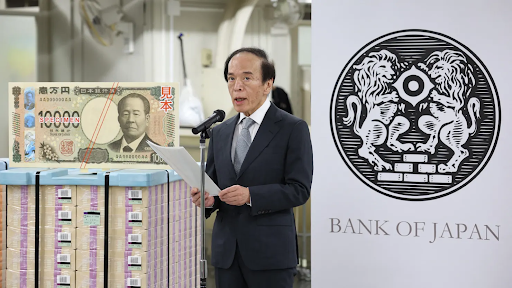
Bank of Japan Interest Rate Hike Expected | BizBlog News
Bank of Japan Interest Rate Hike Expected | BizBlog News A CNBC Survey Indicates That the Bank of Japan Is Expected to Raise Interest Rates This Week The global financial community has been abuzz with speculation following a CNBC survey that suggests the Bank of Japan ( BOJ ) may raise interest rates this week . This potential shift in monetary policy could mark a significant moment for the Japanese economy , which has been characterized by decades of ultra low interest rates and an accommodative stance . If the prediction materializes , it may have profound implications not only for Japan but also for the broader global markets . As the BOJ’s policy stance enters the spotlight, it’s crucial to understand what this potential move entails and why it matters . From its impact on inflation to the ripple effects on currency markets and international trade, this anticipated decision could redefine the economic trajectory of the world’s third largest economy . Why the Bank of Japan’s Interest Rate Decision Matters The Bank of Japan has long maintained an ultra loose monetary policy , characterized by negative interest rates and large scale asset purchases . This strategy was designed to combat deflation and stimulate economic growth . However , times are changing . Inflation in Japan has started to rise , and the global trend of central banks tightening monetary policies has added pressure on the BOJ to follow suit . Raising interest rates is not a trivial decision . It signals a shift in focus from stimulating growth to controlling inflation . This change could have far-reaching consequences for domestic and international markets alike . Understanding the CNBC Survey and Its Implications The CNBC survey that hinted at a possible interest rate hike by the BOJ reflects the sentiment of economists and financial analysts closely following the central bank’s policies . The survey results come as Japan faces increasing inflationary pressures, with consumer prices rising faster than anticipated . This expectation stems from: Rising Inflation : Japan’s core consumer price index (CPI) has been consistently exceeding the BOJ’s 2% target . Global Central Bank Trends : Major central banks like the Federal Reserve and the European Central Bank have been raising rates to combat inflation . Weakened Yen : A prolonged low rate policy has led to a weaker yen , making imports more expensive and further stoking inflation . While the CNBC survey does not confirm an imminent rate hike , it indicates growing expectations that the BOJ might finally pivot its policy . Why Is the BOJ Considering an Interest Rate Hike? The BOJ ‘s primary mandate has been to ensure price stability and sustainable economic growth . However , recent developments have forced the central bank to reassess its priorities : Inflationary Pressures : For decades, Japan grappled with deflation, but the narrative has shifted as inflation surges . The BOJ now faces the challenge of balancing inflation control with economic growth . Market Stability : A prolonged period of ultra-low interest rates has distorted market dynamics, creating risks in the bond market and housing sector . International Influence : As other central banks continue to raise rates , maintaining ultra-low rates could lead to a capital flight , further weakening the yen . Impact of an Interest Rate Hike on Japan’s Economy If the BOJ raises rates , it would be a monumental shift in policy with several potential effects : 1. Strengthening the Yen An interest rate hike typically attracts foreign capital , leading to currency appreciation . A stronger yen could make imports cheaper , easing inflationary pressures . However , it could also hurt Japan ’s export driven economy by making its goods more expensive overseas. 2. Increased Borrowing Costs Higher interest rates would increase borrowing costs for businesses and consumers . This could dampen investment and consumer spending , potentially slowing economic growth . 3. Impact on the Housing Market Japan’s housing market , which has benefited from low borrowing costs , could face challenges . Mortgage rates would rise , potentially reducing demand for housing . 4. Bond Market Repercussions The BOJ has been a dominant player in Japan ‘s bond market , purchasing government bonds to keep yields low . A rate hike could lead to volatility in bond markets , as investors adjust to the new reality . How Global Markets Could React The Bank of Japan’s policies hold significant weight in global financial markets . A rate hike could trigger a series of reactions : Currency Markets : A stronger yen could affect major currencies like the U.S. dollar and the euro . Stock Markets : Japanese equities might face pressure as higher rates weigh on corporate profits . Trade Dynamics : Countries trading with Japan could experience shifts in trade balances due to currency fluctuations . Historical Context: BOJ’s Relationship With Interest Rates To appreciate the significance of this potential move, it ’s essential to understand the BOJ ’s historical stance on interest rates . Since the 1990s , Japan has maintained near zero or negative rates in response to deflationary pressures and sluggish economic growth . The ” lost decade ” following the 1990s asset bubble collapse left a lasting impact, shaping the BOJ’s preference for loose monetary policy . This legacy of low rates has been both a blessing and a curse . While it has supported growth , it has also led to unintended consequences , such as high public debt and market distortions. Potential Risks of Raising Interest Rates While raising rates may help combat inflation, it is not without risks . The BOJ must navigate these challenges carefully : Economic Slowdown : Higher rates could reduce consumer and business spending, slowing the economy . Debt Sustainability : Japan ’s public debt , the highest among developed nations, could become harder to manage with higher borrowing costs . Market Volatility : A sudden shift in policy could unsettle financial markets, both

Ceasefire Sparks Hope in Gaza | BizBlog News
Ceasefire Sparks Hope in Gaza | BizBlog News Ceasefire Sparks Hope in Gaza as Freed Israeli Hostages Reunite With Their Mothers A historic ceasefire has brought a glimmer of hope to Gaza , marking a significant step towards peace in a region long shadowed by conflict . The fragile truce , reached through painstaking negotiations , has not only halted the violence but also paved the way for an emotional reunion of freed Israeli hostages with their mothers . This moment of compassion and humanity is a reminder of what is at stake when peace replaces the chaos of war . Ceasefire Sparks Hope in Gaza The conflict in Gaza has been one of the most challenging and heartbreaking humanitarian crises in recent history. The ceasefire , although fragile , signifies a crucial pause in the cycle of violence that has affected countless lives. Brokered through the relentless efforts of mediators and humanitarian agencies , this agreement has provided a flicker of optimism for families torn apart by years of turmoil . With the cessation of hostilities , Gaza’s battered communities have begun to take tentative steps toward recovery . Schools and hospitals are reopening, and aid organizations are working tirelessly to distribute essential supplies . Yet, the true highlight of this ceasefire lies in the deeply emotional reunions of hostages and their families—a testament to the power of hope amidst despair . The Emotional Reunions of Freed Hostages With Their Mothers The world watched with bated breath as images of Israeli hostages , who had endured weeks of captivity , embracing their mothers flooded the news . These reunions have transcended political boundaries, resonating on a profoundly human level . The joy , relief , and tears shared in these moments reveal the universal longing for family and connection that binds all of humanity . For the mothers, it was an unimaginable mix of agony and hope . Their children ’s return felt like a miracle , a direct result of the fragile peace brokered during the ceasefire . These reunions have inspired a renewed call for sustained efforts to bring about a lasting resolution to the conflict . What the Ceasefire Means for Gaza’s Communities The impact of this ceasefire extends far beyond hostages and their families. For the people of Gaza, this pause in violence has provided much-needed respite. The sound of bombs has been replaced with cautious laughter, the first step towards healing for a population that has borne the brunt of endless conflict . Rebuilding efforts have already begun , albeit on a small scale . Non governmental organizations (NGOs) and international relief agencies are distributing medical aid, food, and clean water . Children who had been confined to bomb shelters are beginning to return to school, while markets are once again bustling with activity . The psychological toll of years of violence will take longer to mend, but this ceasefire has ignited a spark of hope . The Role of International Mediators in the Ceasefire Reaching a ceasefire in Gaza is never a straightforward process . This latest agreement is the result of relentless diplomacy led by international mediators, including Egypt , Qatar, and the United Nations . Their work , often conducted behind closed doors, involved countless hours of negotiation, compromise, and pressure on both sides to reach an understanding . These mediators recognized the urgency of addressing not just the immediate violence but also the root causes of the conflict . While this ceasefire is far from a permanent solution , it underscores the importance of dialogue and international cooperation in resolving deep seated issues . Challenges to Sustaining the Ceasefire While the ceasefire has sparked hope, it remains fragile . Both sides have expressed skepticism about its longevity , citing previous agreements that fell apart due to mistrust and provocations . The region ’s history is filled with broken truces , making it all the more crucial to focus on measures that can sustain this fragile peace . Key challenges include addressing the humanitarian crisis in Gaza , rebuilding infrastructure , and ensuring that any provocations are swiftly addressed through diplomatic channels rather than military retaliation . Without tackling these underlying issues, the ceasefire risks becoming yet another temporary pause in an endless cycle of violence . The Symbolism of Mothers’ Reunions as a Beacon of Hope The image of mothers embracing their freed children has become a powerful symbol of what is possible when humanity takes precedence over hatred . These moments remind us that behind every political decision are real lives—mothers , fathers, children—yearning for peace . For many, these reunions are a call to action , a reminder that lasting peace requires effort, empathy , and the willingness to see each other as human beings rather than adversaries . The mothers ’ joy is a poignant example of what can be achieved when dialogue and compassion take center stage . A Path to Lasting Peace The ceasefire in Gaza , though fragile, has opened a window of opportunity for lasting peace. To build on this momentum , it is essential to focus on comprehensive solutions that address both immediate humanitarian needs and long-term political grievances . International support will be crucial in rebuilding Gaza ’s infrastructure, providing education and healthcare, and creating opportunities for its youth . At the same time, efforts to foster dialogue and mutual understanding between Israelis and Palestinians must continue, with an emphasis on shared humanity rather than divisive rhetoric . UseFull Links Technology Boeing Door Plug Incident Challenges on the Road to Recovery | BizBlog News January 5, 2025/No Comments Boeing Door Plug Incident Challenges on the Road to Recovery | BizBlog News A Year After Boeing ‘ s Door… Read More Microsoft to Invest $80 Billion in AI Data Centers | BizBlog News January 4, 2025/No Comments Microsoft to Invest $80 Billion in AI Data Centers | BizBlog News Microsoft Anticipates Allocating $80 Billion Toward AI Data… Read More Moldova Gas

TikTok Ban Updates: Biden’s Intervention Explained | BizBlog News
TikTok Ban Updates: Biden’s Intervention Explained | BizBlog News TikTok Says It Will Go Dark on Sunday Unless Biden Intervenes In a dramatic turn of events , TikTok has announced that its platform may be forced to shut down in the United States on Sunday unless President Joe Biden steps in to resolve ongoing tensions . This announcement has sent shockwaves across millions of users and creators who rely on the platform for entertainment , community , and livelihood . Why Is TikTok Facing a Ban? The controversy surrounding TikTok stems from concerns over national security . The app , owned by Chinese company ByteDance , has been accused of potentially sharing user data with the Chinese government . These allegations have led to heightened scrutiny and repeated attempts by U.S . lawmakers to restrict or ban the app altogether . Over the past year, negotiations between TikTok and U.S . regulators have failed to yield a satisfactory solution . At the core of the dispute is whether TikTok can continue to operate in the United States without posing a risk to national security . The Biden administration has reportedly demanded that ByteDance divest its U.S . operations to an American entity, but no agreement has been reached . The Impact on Users and Creators If TikTok goes dark , it will leave millions of U.S .based users in the lurch . For many creators, TikTok is more than just a social media app ; it ’s a source of income. Small businesses have also leveraged the platform’s vast audience to grow their brands . Creators like Jenna Lewis , a popular lifestyle influencer, say the potential ban is “devastating. TikTok isn’t just a platform ; it ’s my livelihood . Similarly , small business owners are concerned about losing access to a key marketing tool . The Clock Is Ticking TikTok ’s fate now rests in the hands of the Biden administration . While some argue that a ban is necessary to safeguard national security , others believe it sets a dangerous precedent for government control over digital platforms . With Sunday’s deadline looming, the pressure is on for Biden to make a decision . What Happens Next? If no intervention occurs by Sunday , TikTok users in the United States may find the app non functional . The shutdown could lead to widespread backlash , particularly among younger Americans who form the platform ’s core user base . The situation underscores a broader debate about balancing national security concerns with the freedoms of the digital age . As the clock ticks down , the world watches to see how this high stakes standoff will unfold . UseFull Links Technology Boeing Door Plug Incident Challenges on the Road to Recovery | BizBlog News January 5, 2025/No Comments Boeing Door Plug Incident Challenges on the Road to Recovery | BizBlog News A Year After Boeing ‘ s Door… Read More Microsoft to Invest $80 Billion in AI Data Centers | BizBlog News January 4, 2025/No Comments Microsoft to Invest $80 Billion in AI Data Centers | BizBlog News Microsoft Anticipates Allocating $80 Billion Toward AI Data… Read More Moldova Gas Crisis: Russian Supply Risks via Ukraine | BizBlog News December 14, 2024/No Comments Moldova Gas Crisis: Russian Supply Risks via Ukraine | BizBlog News Moldova Declares State of Emergency Over Fears Russian Gas… Read More Load More End of Content. Home About Stories Contact UseFull Links Technology Boeing Door Plug Incident Challenges on the Road to Recovery | BizBlog News January 5, 2025/No Comments Boeing Door Plug Incident Challenges on the Road to Recovery | BizBlog News A Year After Boeing ‘ s Door… Read More Microsoft to Invest $80 Billion in AI Data Centers | BizBlog News January 4, 2025/No Comments Microsoft to Invest $80 Billion in AI Data Centers | BizBlog News Microsoft Anticipates Allocating $80 Billion Toward AI Data… Read More Moldova Gas Crisis: Russian Supply Risks via Ukraine | BizBlog News December 14, 2024/No Comments Moldova Gas Crisis: Russian Supply Risks via Ukraine | BizBlog News Moldova Declares State of Emergency Over Fears Russian Gas… Read More Load More End of Content.

Asia-Pacific Markets Track Wall Street Gains | BizBlog News
Asia-Pacific Markets Track Wall Street Gains | BizBlog News Asia-Pacific Markets Surge After Wall Street Gains : South Korea Keeps Interest Rates Steady In a surprising turn of events , Asia Pacific markets mirrored Wall Street ’s bullish momentum as South Korea made headlines by holding its interest rates steady , defying market expectations . The decision by the Bank of Korea (BoK) sent ripples across the financial landscape , sparking optimism in an already buoyant market climate . What does this mean for global investors and regional economies ? Let ’s explore the broader implications of these developments . Wall Street Gains: A Catalyst for Asia-Pacific Optimism Wall Street closed on a strong note , driven by investor enthusiasm around easing inflationary pressures and positive corporate earnings reports . These gains provided the perfect tailwind for Asia-Pacific markets , which tend to take cues from U.S . financial markets due to the global interconnectedness of trade and finance . The S&P 500 , Nasdaq , and Dow Jones Industrial Average all posted solid gains in their latest trading sessions . This positive sentiment was carried over into the Asia-Pacific region , with key indices in Tokyo , Hong Kong, and Sydney showing marked improvements . The ripple effect of Wall Street ’s performance cannot be overstated it sets the tone for risk appetite across global markets, including Asia’s vibrant economies . South Korea’s Decision to Hold Interest Rates: A Bold Move South Korea ’s central bank surprised markets by maintaining its benchmark interest rate at 3.50%. Many analysts had anticipated a hike in light of global tightening trends . However , the Bank of Korea chose a steady path , citing the need to balance inflation control with economic growth . This decision highlights South Korea ’s cautious approach to monetary policy . With inflation showing signs of stabilization and concerns about consumer spending, policymakers opted to prioritize economic resilience . This unexpected move injected fresh optimism into South Korea ’s stock markets, with the KOSPI rising modestly in response . For South Korea, this decision reflects a broader strategy of ensuring domestic financial stability while staying watchful of global economic headwinds . It ’s worth noting that the BoK has raised rates several times over the past year, and this pause offers breathing room for businesses and households alike . Market Reaction Across the Asia-Pacific Region Japan : Nikkei Boosted by Wall Street Trends Japan ’s Nikkei 225 climbed higher , buoyed by technology stocks and a favorable yen dollar exchange rate . The optimism from Wall Street , coupled with easing inflation worries in Japan , has invigorated investor sentiment . China : A Mixed Bag of Reactions Chinese markets , represented by the Shanghai Composite , saw modest gains . However , lingering concerns about China ’s property sector and regulatory overhangs kept gains in check . Positive cues from Wall Street were balanced by caution in local market dynamics . Australia : Mining Stocks Shine The Australian ASX 200 index also benefited from Wall Street’s rally , with mining and resource stocks leading the charge . Australia ’s heavy reliance on commodity exports makes it particularly sensitive to global growth signals , and Wall Street ’s gains provided a welcome boost . South Korea : KOSPI Rallies on Rate Hold South Korea ’s KOSPI index enjoyed a positive session , with gains in technology and manufacturing sectors . The Bank of Korea ’s decision to hold rates steady was seen as a green light for growth focused investments , particularly in industries that had been weighed down by higher borrowing costs . Why South Korea’s Rate Decision Matters Globally South Korea ’s economy is a bellwether for the Asia-Pacific region due to its export-driven nature and strong ties to global supply chains . The decision to hold interest rates steady sends a powerful message : South Korea is prioritizing stability over aggressive tightening . This move could influence other central banks in the region to take a more measured approach to monetary policy . Countries like India, Indonesia , and Thailand may closely watch South Korea’s economic performance in the coming months to gauge the effectiveness of a steady interest rate policy . Additionally , global investors view South Korea as a proxy for broader economic trends in Asia. A steady hand from the BoK reassures markets that the region ’s third largest economy is prepared to navigate potential global headwinds . The Role of Inflation in Central Bank Decisions Inflation remains a critical factor in central bank policymaking . South Korea’s inflation rate has cooled in recent months , hovering around 3.4% in December—down from its peak earlier in 2023 . This decline gave the BoK room to pause rate hikes . By comparison , central banks in the U.S . and Europe have continued to raise rates aggressively , prioritizing inflation control . South Korea ’s approach underscores the importance of context in monetary policy . While global economies share some common challenges , each nation ’s unique circumstances require tailored solutions . Key Sectors to Watch in the Asia-Pacific Markets Technology The technology sector is one of the biggest beneficiaries of steady interest rates . Lower borrowing costs make it easier for tech companies to finance innovation and expansion . Investors are likely to focus on semiconductor stocks , a cornerstone of South Korea’s economy . Manufacturing and Exporters Manufacturers and export driven businesses stand to benefit from stabilized rates. South Korea , as a hub for electronics, automobiles , and shipbuilding , could see renewed interest from global investors . Consumer Discretionary Retail and consumer focused businesses often face the brunt of high interest rates . A pause in hikes could stimulate consumer spending , providing a much-needed boost to this sector . UseFull Links Technology Boeing Door Plug Incident Challenges on the Road to Recovery | BizBlog News January 5, 2025/No Comments Boeing Door Plug Incident Challenges on the

Nordstrom’s Holiday Sales Triumph: Insights & Future Outlook
Nordstrom’s Holiday Sales Triumph: Insights & Future Outlook Nordstrom’s Holiday Victory: A Closer Look at Its Sales Forecast For one, it was a good season for most retailers, perhaps an unmitigated disaster. And sure enough, with fully two thirds of annual retail revenues pouring into a brand over this period around gift-gifted apparel-festive occasions, it doesn’t especially matter if it comes through in clothes or in baubles-this past holiday was something of a fete for Nordstrom, revising full-year sales forecasts up after what sold better than they feared in December. The Nordstrom holiday season may be used as a window through which to view the state of modern retail, in which strategic planning, consumer behavior, and market trends all shape the outcomes. This blog will analyze Nordstrom’s most recent performance, its new guidance, and what this might mean for the company and the broader retail landscape. Nordstrom: A Holiday Season Summary In terms of sales, this holiday season nine-week period up to January 4, Nordstrom says sales were pretty robust: Net sales gained 4.9%. Comparable sales increased 5.8%. The company had guided to a weaker performance earlier and still feels optimistic about its story given the current economic climate marked with inflation and cautious consumer spending. Performance by Division Nordstrom’s two divisions delivered: Nordstrom Banner: Net sales gained 3.7%. Comparable sales grew 6.5%. Nordstrom Rack (off-price division): Net sales improved 7.4%. Comparable sales improvement was at 4.3%. These two figures best demonstrate there was an equality growth model wherein the premium as well as the value-based operations grow side-by-side along with each other. What Prompted the Sales? Here’s what had provoked this profitable festive season of Nordstrom : 1. Promotional Strategies Retailers had to play a tightrope game this season: generating sales through promotions without eroding margins. Nordstrom played well in balancing the act by using strategic discounts to attract shoppers without seriously compromising profitability. 2. Strong Product Assortment It’s not an overstatement to say that the attractive customers are the right-curated selections of products used by Nordstrom. It has the ability to appeal to a very wide audience with the help of an effective mix of brands and categories while successfully catering to premium shoppers and bargain hunters. 3. Customer Experience Investments in online and in-store customer experience yielded results. Easy-to-use websites, better management of inventory, and in-store services such as personal styling also made the purchase journey seamless. Revised Sales Outlook: What It Means Out of holiday period performance, Nordstrom upgraded full-year revenue growth estimate into a 1.5% to 2.5% range as planned previously at flat to 1%. The positive estimate was therefore good for optimism but kept profit guidance as range $1.75 to $2.05 per share. Why Keep Profit Guidance Unchanged? This decision of maintaining the level of profit guidance is taken with a cautious approach by Nordstrom in view of the uncertainty depicted in the global economy. There are several such factors, including cost levels on the increase, trend pattern of consumer expenditure changes, and an uncertain global economic scenario that temper the expectations. Bigger Picture: Retail Holiday Sales It is not a Nordic tale, though. Other retailers, who had also feared an anemic holiday season as spending levels are low, experienced unexpectedly strong sales, too. Trends: 1. Online Spending Surge E-commerce is ruling the roost. During the holiday season, U.S. online spending grew nearly 9%, reaching $241.4 billion. Retailers with robust digital channels, like Nordstrom, were best poised to seize the trend. 2. Resilient Consumer Spending Despite the inflationary push, customers proved willing to spend. Sales in retail shops excluding automobiles had 3.8% increases from November 1 through December 24 on a year-over-year basis. 3. Value Shifting Value shopping is increasingly a direction despite the fact that premium brands also did well while they outshined well. Nordstrom Rack is the new proof of that fact as a retailer cuts down its prices and reaches bargain-seeking customers. Challenges and Opportunities Ahead As Nordstrom rides the wave of its holiday success, it will have to face several factors that will shape its future: 1. Inflation and Consumer Behavior High inflation has squeezed disposable incomes, leaving consumers to cut back on discretionary spending. Nordstrom will have to continue offering value but without sacrificing its premium appeal. 2. Competitive Landscape The retail space remains highly competitive, with players like Macy’s, Kohl’s, and the online giants such as Amazon all vying for market share. The difference for Nordstrom will be its ability to differentiate through superior customer experience and unique product offerings. 3. Omnichannel Excellence The consumers expect seamless shopping experiences between online and offline. The digital capabilities and services like curbside pickup at Nordstrom will be instrumental in maintaining the growth. 4. Sustainability and Ethical Practices The present-day shopper is highly sensitive toward sustainability. Nordstrom has been continuously trying to adapt to ethical practices such as providing green products and waste reduction. This might add to its brand image further. Lessons from Nordstrom’s Success For other retailers, Nordstrom’s holiday performance is a lesson in the following: Customer Focus: Knowing what customers want and offering it is important. Promotion Balance: Discounts can drive sales but must be managed to protect margins. Investment in Experience: Whether online or in-store, a superior shopping experience can make a brand stand out. Agility and Responsiveness: Being agile and responsive to market shifts, such as the rise of e-commerce, is important. FAQs 1. Why did Nordstrom increase the sales forecast? Nordstrom upped the sales forecast after the company reported holiday sales that turned out to be better than the estimates. Effective promotion, an assortment that seemed to be pretty well curated and more engaging were a few of the reasons. 2. How was the holiday for Nordstrom Rack? Nordstrom Rack, it’s off-price unit, reported 7.4 percent net sales increase and 4.3 percent comparable sales rise, both of which indicate strong demand from value-oriented shoppers. 3. What is Nordstrom’s revised revenue growth outlook? Nordstrom is now expecting revenue growth for the full year in the range of 1.5% to 2.5%, which

Dow Tumbles Amid Fed Rate-Cutting Outlook | BizBlog News
Dow Tumbles Amid Fed Rate-Cutting Outlook | BizBlog News Dow Tumbles More Than 450 Points After Strong Jobs Report Dampens Fed Rate-Cutting Outlook The stock market faced a significant pullback as the Dow Jones Industrial Average dropped more than 450 points in a single session . This sharp decline came on the heels of a surprisingly robust jobs report , which threw a wrench into investors ‘ hopes for imminent interest rate cuts from the Federal Reserve . The market reaction underscores the delicate balance between economic growth and monetary policy expectations . The Immediate Market Reaction to the Dow ‘ s Decline Wall Street was caught off guard as the Dow tumbled over 450 points , signaling widespread concern about the Federal Reserve ‘ s next moves . The S&P 500 and Nasdaq also followed suit, with both indices reflecting bearish sentiment . Investors had been banking on a softer jobs market to prompt the Fed to pivot toward rate cuts. However , the data painted a much different picture : Unemployment rate : A steady low , signaling sustained labor market strength . Job creation : Exceeding forecasts with gains across key sectors like healthcare , manufacturing , and tech . Wage growth : Accelerating , adding to inflationary pressures . With these figures in mind , market participants are re-evaluating their strategies , as the chances of rate cuts seem increasingly unlikely . The Strong Jobs Report : What the Numbers Say The latest Bureau of Labor Statistics (BLS) report highlighted the resilience of the U.S. labor market. Key takeaways include : Metric Latest Data Market Expectation Non-Farm Payrolls 336,000 170,000 Unemployment Rate 3.8% 3.8% Average Hourly Earnings +0.4% month-over-month +0.3% month – over – month These numbers shattered predictions, showcasing the economy ‘ s strength but simultaneously reigniting inflation concerns . How a Strong Jobs Report Impacts Fed Policy The Federal Reserve has been laser-focused on its dual mandate: achieving maximum employment while maintaining stable prices . Here ‘ s how the jobs report affects its outlook : Inflation worries : Accelerated wage growth increases consumer spending power , which can exacerbate inflationary pressures . No rate cuts soon : A strong labor market reduces the urgency for rate reductions , contradicting prior market sentiment . Rate hike possibilities : Persistent inflation signals could even push the Fed toward further tightening . Federal Reserve Chair Jerome Powell has often emphasized a data-driven approach. With employment metrics far exceeding expectations , the Fed is unlikely to shift to a dovish stance anytime soon . Investor Sentiment : Navigating Uncertainty The sharp decline in the Dow reflects growing investor anxiety about prolonged higher interest rates . Key concerns include : Earnings pressure : Higher rates increase borrowing costs for businesses, potentially eroding profit margins . Sector-specific vulnerabilities : Tech and growth stocks, which are highly sensitive to interest rate changes, saw pronounced declines . Flight to safety : Investors shifted funds to traditional safe – haven assets like bonds and gold amid the selloff . While the markets are in a state of flux , seasoned investors understand the cyclical nature of such shifts and are adjusting portfolios accordingly . UseFull Links Technology Boeing Door Plug Incident Challenges on the Road to Recovery | BizBlog News January 5, 2025/No Comments Boeing Door Plug Incident Challenges on the Road to Recovery | BizBlog News A Year After Boeing ‘ s Door… Read More Microsoft to Invest $80 Billion in AI Data Centers | BizBlog News January 4, 2025/No Comments Microsoft to Invest $80 Billion in AI Data Centers | BizBlog News Microsoft Anticipates Allocating $80 Billion Toward AI Data… Read More Moldova Gas Crisis: Russian Supply Risks via Ukraine | BizBlog News December 14, 2024/No Comments Moldova Gas Crisis: Russian Supply Risks via Ukraine | BizBlog News Moldova Declares State of Emergency Over Fears Russian Gas… Read More Load More End of Content. Home About Stories Contact UseFull Links Technology Boeing Door Plug Incident Challenges on the Road to Recovery | BizBlog News January 5, 2025/No Comments Boeing Door Plug Incident Challenges on the Road to Recovery | BizBlog News A Year After Boeing ‘ s Door… Read More Microsoft to Invest $80 Billion in AI Data Centers | BizBlog News January 4, 2025/No Comments Microsoft to Invest $80 Billion in AI Data Centers | BizBlog News Microsoft Anticipates Allocating $80 Billion Toward AI Data… Read More Moldova Gas Crisis: Russian Supply Risks via Ukraine | BizBlog News December 14, 2024/No Comments Moldova Gas Crisis: Russian Supply Risks via Ukraine | BizBlog News Moldova Declares State of Emergency Over Fears Russian Gas… Read More Load More End of Content.

Asia ‘s Central Banks and U.S . Dollar Impact: Currency Strength Challenges | BizBlog News
Asia ‘s Central Banks and U.S . Dollar Impact: Currency Strength Challenges | BizBlog News How Asia’s Central Banks Navigate the Rising Strength of the U.S. Dollar Asia’s central banks are grappling with an extraordinary financial challenge : the surging strength of the U.S. dollar . This phenomenon has sent ripples across global financial markets , deeply influencing economies in Asia that rely heavily on trade and foreign investment . As the dollar ‘ s dominance grows , Asian central banks are tasked with balancing domestic stability against external shocks . The Role of Asia ‘s Central Banks in Economic Stability Central banks in Asia have long been guardians of their respective economies, ensuring inflation control , currency stability , and fostering economic growth . With the U.S . dollar now at multi decade highs against many Asian currencies , their roles have grown even more critical . The strength of the U.S . dollar presents unique challenges , as it not only inflates import costs but also exerts pressure on local currencies . Understanding the Surge in the U.S. Dollar The U.S. dollar ‘s current strength can be attributed to a combination of factors . A tight monetary policy by the Federal Reserve , marked by aggressive interest rate hikes , has attracted global capital to the U.S . , strengthening the dollar . Additionally , geopolitical tensions and investor risk aversion have made the dollar a ” safe haven ” currency . For Asia , this dynamic leads to a double edged sword : while exports may become more competitive , the rising cost of imports and capital outflows intensify financial vulnerabilities . Impacts on Asian Economies Rising Import Costs and Inflation As the dollar strengthens , Asian countries relying heavily on imported goods , particularly energy and food , face ballooning costs . This contributes to heightened inflationary pressures , forcing central banks to raise interest rates often at the expense of domestic growth . Capital Flight and Debt Burdens Strong dollar environments often lead to capital outflows from emerging markets as investors seek higher returns in the U.S . Furthermore , many Asian countries hold significant U.S . dollar-denominated debt , which becomes costlier to service as their local currencies weaken . Trade Competitiveness: A Silver Lining On the flip side , weaker local currencies can make exports from Asia more competitive on the global stage . However , the net benefit depends on a country ’ s reliance on exports versus imports . Strategies Adopted by Asia’s Central Banks Currency Intervention Many Asian central banks , such as those in Japan and South Korea , have engaged in direct currency market interventions to stabilize their currencies . By selling U.S . dollars and buying local currencies , they aim to curb excessive volatility . Interest Rate Adjustments To prevent excessive capital outflows , several central banks in Asia have raised interest rates. However , this strategy can slow down domestic economic activity , making it a delicate balancing act . Building Foreign Exchange Reserves Countries like China and India have fortified their foreign exchange reserves to defend their currencies during turbulent times . This buffer provides central banks with the ability to manage currency depreciation more effectively . The Role of Regional Collaboration Asian economies are increasingly recognizing the importance of regional cooperation to counter the impacts of the strong dollar . Platforms like ASEAN and the Chiang Mai Initiative provide mechanisms for currency swaps and financial assistance , which help stabilize the region during crises . The Future Outlook for Asia Amid Dollar Dominance The dominance of the U.S . dollar is unlikely to wane soon. However , Asia ‘ s central banks are actively exploring measures to reduce their economies ’ dependence on the greenback . Efforts include promoting regional trade in local currencies and developing financial systems less susceptible to external shocks . The challenges presented by the strong U.S . dollar may reshape the economic policies of Asian nations , compelling them to innovate and adapt . Asia’s Central Banks Confront a Significant Challenge Asia’s central banks now face a stark reality: navigating their economies through the turbulence of a strong U.S . dollar . From balancing inflation to ensuring currency stability , the stakes have never been higher . But in adversity lies opportunity . As the dollar ’ s strength persists , Asia has a chance to fortify its financial systems and emerge more resilient than ever . UseFull Links Technology Boeing Door Plug Incident Challenges on the Road to Recovery | BizBlog News January 5, 2025/No Comments Boeing Door Plug Incident Challenges on the Road to Recovery | BizBlog News A Year After Boeing ‘ s Door… Read More Microsoft to Invest $80 Billion in AI Data Centers | BizBlog News January 4, 2025/No Comments Microsoft to Invest $80 Billion in AI Data Centers | BizBlog News Microsoft Anticipates Allocating $80 Billion Toward AI Data… Read More Moldova Gas Crisis: Russian Supply Risks via Ukraine | BizBlog News December 14, 2024/No Comments Moldova Gas Crisis: Russian Supply Risks via Ukraine | BizBlog News Moldova Declares State of Emergency Over Fears Russian Gas… Read More Load More End of Content. Home About Stories Contact UseFull Links Technology Boeing Door Plug Incident Challenges on the Road to Recovery | BizBlog News January 5, 2025/No Comments Boeing Door Plug Incident Challenges on the Road to Recovery | BizBlog News A Year After Boeing ‘ s Door… Read More Microsoft to Invest $80 Billion in AI Data Centers | BizBlog News January 4, 2025/No Comments Microsoft to Invest $80 Billion in AI Data Centers | BizBlog News Microsoft Anticipates Allocating $80 Billion Toward AI Data… Read More Moldova Gas Crisis: Russian Supply Risks via Ukraine | BizBlog News December 14, 2024/No Comments Moldova Gas Crisis: Russian Supply Risks via Ukraine | BizBlog News Moldova Declares State of Emergency Over Fears Russian Gas… Read More Load More End of Content.

Aviation Industry Challenges & Long-Term Issues | BizBlog News
Aviation Industry Challenges & Long-Term Issues | BizBlog News The Aviation Industry’s Decades-Long Struggle : Can It Overcome the Challenges ? The aviation industry, an integral part of global connectivity and commerce , is currently navigating a turbulent path . From sustainability issues and rising fuel costs to workforce shortages and geopolitical disruptions , the hurdles ahead are daunting . Some of these challenges demand immediate action , while others may require years or even decades to resolve . Understanding the Core Challenges of the Aviation Industry The aviation sector has always been subject to dynamic pressures . However , today ’ s challenges are more complex , requiring innovative solutions and collaborative efforts . Let’s delve into some key issues shaping the industry’s future . Sustainability in Aviation : A Pressing Concern The aviation industry faces mounting pressure to reduce its carbon footprint . With aviation contributing approximately 2.5% of global CO2 emissions , the call for greener solutions is loud and clear . Airlines are exploring alternative fuels , electric planes , and operational efficiencies , but these innovations are still years away from achieving large scale adoption . Sustainable Aviation Fuel (SAF) : A promising yet costly alternative , SAF can reduce emissions by up to 80% . However , production volumes and high costs limit its current feasibility . Electric Aircraft : While prototypes exist , the technology is not yet scalable for long haul flights . Carbon Offset Programs : Though helpful , these are often criticized for being a temporary fix rather than a permanent solution . Labor Shortages: A Crisis in the Making The COVID-19 pandemic led to significant layoffs and early retirements , leaving the aviation industry grappling with a critical shortage of skilled workers . Pilots and Maintenance Crew : Training new pilots can take years , creating a bottleneck in workforce replenishment. Ground Staff and Cabin Crew : High stress and low wages make these roles unattractive , exacerbating staffing issues . Investments in training programs and employee retention strategies are essential , but these solutions are neither quick nor simple . Rising Operating Costs Fuel prices and maintenance expenses continue to strain airline profitability. The aviation industry operates on thin margins, and the volatile nature of fuel costs adds to the uncertainty. Impact of Global Events: Conflicts like the Russia Ukraine war have disrupted fuel supply chains , driving prices higher . Inflationary Pressures: Aircraft parts and maintenance services are becoming more expensive , increasing operational costs . Geopolitical and Regulatory Hurdles International aviation relies heavily on geopolitical stability and standardized regulations . However , recent disruptions have highlighted the fragility of this interdependence . Airspace Restrictions : Conflicts can lead to rerouted flights , increasing travel time and fuel consumption . Regulatory Disparities : Differing safety and environmental regulations across countries complicate international operations . Technology Adoption and Cybersecurity Risks The digital transformation of aviation is essential for efficiency , but it comes with challenges like cybersecurity threats and high implementation costs . Smart Airports : While automation and AI enhance passenger experience , integrating these technologies is costly and time consuming . Cyber Threats : The reliance on digital systems exposes airlines to potential breaches , which could disrupt operations and compromise safety . The Aviation Industry’s Resilience: Moving Towards Solutions Despite these challenges , the aviation industry has a long history of resilience . Collaborative efforts between governments , airlines , and technology providers can pave the way for sustainable growth . A Path to Sustainability Achieving carbon neutrality by 2050 is a shared goal across the industry . Investments in research and development , combined with regulatory support , can accelerate the adoption of sustainable practices . Workforce Development Initiatives Addressing labor shortages requires a two-pronged approach : attracting new talent and retaining experienced workers . Offering competitive wages , fostering a supportive work environment , and providing career growth opportunities are key . Leveraging Technological Advancements From blockchain for ticketing to AI-driven maintenance solutions , technology offers a roadmap to enhanced efficiency and security . Investments in digital infrastructure can also future proof the industry . Collaborative Policy Making Harmonized regulations and international cooperation are critical to overcoming geopolitical and operational challenges . Global initiatives like CORSIA ( Carbon Offsetting and Reduction Scheme for International Aviation ) demonstrate the power of collective action . The Aviation Industry’s Challenges: A Balancing Act The aviation industry ’ s challenges are multifaceted and deeply interconnected . Tackling them requires balancing immediate needs with long-term strategies . While some solutions may take years to materialize , the industry ’ s adaptability and innovation offer hope for a sustainable and efficient future . UseFull Links Technology Boeing Door Plug Incident Challenges on the Road to Recovery | BizBlog News January 5, 2025/No Comments Boeing Door Plug Incident Challenges on the Road to Recovery | BizBlog News A Year After Boeing ‘ s Door… Read More Microsoft to Invest $80 Billion in AI Data Centers | BizBlog News January 4, 2025/No Comments Microsoft to Invest $80 Billion in AI Data Centers | BizBlog News Microsoft Anticipates Allocating $80 Billion Toward AI Data… Read More Moldova Gas Crisis: Russian Supply Risks via Ukraine | BizBlog News December 14, 2024/No Comments Moldova Gas Crisis: Russian Supply Risks via Ukraine | BizBlog News Moldova Declares State of Emergency Over Fears Russian Gas… Read More Load More End of Content. Home About Stories Contact UseFull Links Technology Boeing Door Plug Incident Challenges on the Road to Recovery | BizBlog News January 5, 2025/No Comments Boeing Door Plug Incident Challenges on the Road to Recovery | BizBlog News A Year After Boeing ‘ s Door… Read More Microsoft to Invest $80 Billion in AI Data Centers | BizBlog News January 4, 2025/No Comments Microsoft to Invest $80 Billion in AI Data Centers | BizBlog News Microsoft Anticipates Allocating $80 Billion Toward AI Data… Read More Moldova Gas Crisis: Russian Supply Risks via Ukraine |