

A Local Entertainment Staple Faces Closure Dipson Theatres, a long-standing fixture at the McKinley Mall, is officially shutting its doors following a prolonged conflict over building maintenance and rent issues. Known for serving local moviegoers for years, the theater has now become the latest casualty of property mismanagement and landlord-tenant disputes. The Core Issue: A Faulty HVAC System At the heart of the closure is an unresolved problem with the theater’s heating, ventilation, and air conditioning (HVAC) system. According to the attorney representing Dipson Theatres, the lease agreement clearly outlined that the responsibility for maintaining and repairing the HVAC system belonged to the landlord. Despite multiple complaints and requests for repairs, those obligations were allegedly ignored for an extended period, creating unbearable conditions for both employees and patrons. “It’s been months of neglect,” said the attorney. “The HVAC system is critical to any indoor business, particularly one that hosts large crowds in enclosed spaces like movie auditoriums.” Unusable Auditoriums Due to Extreme Temperatures The malfunctioning HVAC system resulted in four of the theater’s six auditoriums becoming virtually unusable. During the summer months, temperatures inside soared to uncomfortable and even dangerous levels, making it impossible to host screenings. The few operational auditoriums couldn’t meet customer demand, leading to significant revenue loss and dwindling attendance. “It became a losing battle,” said a long-time employee. “Even our most loyal customers stopped coming because it was simply too hot to enjoy a movie.” Employees Forced to Work in Harsh Conditions Perhaps the most disturbing aspect of the situation was the impact on staff. Employees reported having to work in sweltering conditions, with temperatures inside the theater reaching 90 degrees Fahrenheit or higher. The lack of ventilation and air conditioning created a hazardous work environment, ultimately leading to a full work stoppage. Workers described suffering from dehydration, exhaustion, and overall discomfort during their shifts. Several attempted to raise concerns formally but were met with silence as the maintenance issues dragged on without resolution. Rent Dispute Adds Fuel to the Fire Compounding the HVAC issue was a dispute over unpaid rent. The landlord, despite reportedly failing to fulfill their maintenance responsibilities, pursued action over back rent that Dipson Theatres allegedly withheld due to the unlivable conditions. The theater’s attorney emphasized that the rent was being withheld not out of bad faith, but as a response to the landlord’s neglect of contractual obligations. “It’s a fundamental part of any lease agreement,” the attorney explained. “If the property owner fails to maintain safe and functional conditions, the tenant has legal grounds to withhold rent until those issues are resolved.” However, with no progress on either front, the conflict reached a boiling point, leaving the theater with no viable option but to close permanently. Community Reaction: Shock and Disappointment News of the closure has triggered a wave of disappointment from the community. Local residents took to social media to express their sadness over losing yet another entertainment venue in the region. For many, Dipson Theatres was more than just a place to watch films—it was a nostalgic part of their lives. “This was the only decent theater near my home,” said one resident. “I’ve been coming here since I was a kid. It’s heartbreaking to see it go out like this.” Some patrons also expressed anger toward the property management, accusing them of failing to support a business that contributed to the mall’s foot traffic and vitality. Broader Implications for McKinley Mall The closure also raises questions about the future of the McKinley Mall itself. Once a bustling shopping center, the mall has seen a decline in recent years, with several anchor stores and tenants vacating due to declining footfall, maintenance problems, and leasing challenges. The loss of a prominent tenant like Dipson Theatres could further accelerate the mall’s downward trajectory, leaving fewer attractions for visitors and reducing the appeal of remaining retail spaces. Looking Ahead: Legal Action Possible While the theater has closed, legal actions may still be on the horizon. The theater’s attorney hinted at possible litigation against the property owners for breach of lease and failure to maintain safe premises. “We are exploring all legal options,” the attorney stated. “Our goal is to hold the responsible parties accountable for creating conditions that forced a thriving business to shut down.”
ADB Warns of Looming Telecom Investment Crisis in Pakistan
Sector Loses $1 Billion in Foreign Direct Investment in One Year The Asian Development Bank (ADB) has raised a red flag over Pakistan’s declining foreign direct investment (FDI) in the telecommunications sector, highlighting a dramatic fall of nearly $1 billion in just one fiscal year. According to the ADB’s latest report, FDI in telecom dropped sharply from $1.67 billion in 2021–22 to just $750 million in 2022–23, marking a significant reversal in investor confidence. A Steep Decline in Investor Confidence This steep decline signals growing concerns among global investors regarding the long-term stability and profitability of Pakistan’s telecom market. Once considered a rapidly growing industry with substantial returns, the sector is now grappling with mounting operational costs, regulatory bottlenecks, a weakening currency, and political instability — all of which have contributed to this FDI slump. ADB analysts noted that such a sharp fall in investment within a critical infrastructure sector could have ripple effects on the country’s broader economic development and digital transformation agenda. Why Telecom Matters for Pakistan The telecommunications sector is a backbone for economic modernization, digital literacy, and financial inclusion in Pakistan. It has historically attracted significant foreign interest due to the country’s large and youthful population, growing smartphone penetration, and increasing demand for internet services. However, this latest drop in FDI jeopardizes ongoing 4G expansion projects, future 5G rollouts, and the ability of telecom operators to maintain competitive pricing and service quality. Key Telecom Sector Statistics: Mobile subscribers: Over 195 million 3G/4G users: Approximately 125 million Telecom sector’s contribution to GDP: Around 2.5% Employment generated: Direct and indirect employment for hundreds of thousands These figures underline the sector’s critical importance — not just in connectivity but also as a source of revenue, employment, and innovation. ADB’s Observations and Concerns The ADB report didn’t just focus on the decline in numbers; it went deeper to highlight structural problems within the telecom ecosystem. Key issues flagged include: Heavy taxation: Telecom operators in Pakistan face one of the highest tax burdens in the region, with multiple layers of federal and provincial levies. Policy unpredictability: Frequent changes in regulatory frameworks and delayed spectrum auctions create uncertainty. Forex crisis: Restrictions on dollar outflows and currency depreciation have hindered telecom firms’ ability to repatriate profits and import essential equipment. Inadequate digital policies: Slow implementation of digital transformation goals has made the sector less appealing to long-term investors. The ADB cautioned that unless these issues are addressed promptly, Pakistan risks falling behind regional peers in terms of digital competitiveness. Industry Reactions: “A Wake-Up Call” Industry experts and telecom operators echoed the ADB’s concerns, calling the investment exodus a “wake-up call” for policymakers. Several telecom executives have reportedly flagged their frustration with bureaucratic delays, lack of infrastructure support, and inconsistent policy enforcement. An executive from a leading telecom company, speaking on condition of anonymity, stated: “We’ve continued to invest in Pakistan because of the market’s potential, but it’s getting harder to justify these investments when we face regulatory hurdles, economic volatility, and no clear path forward.” Regional Comparison Paints a Stark Picture While Pakistan has seen a dramatic drop in telecom FDI, other South Asian countries such as India, Bangladesh, and Vietnam are seeing increased foreign investment in digital infrastructure. For example: India attracted over $5 billion in telecom-related FDI in the same period, fueled by 5G rollout and aggressive digital policy reforms. Bangladesh saw telecom FDI rise by 12%, due to improved policy clarity and infrastructure incentives. Vietnam continues to attract large-scale tech investments due to stable regulations and a growing digital economy. This comparison indicates that regional competitors are capitalizing on Pakistan’s shortcomings by offering more investor-friendly environments.
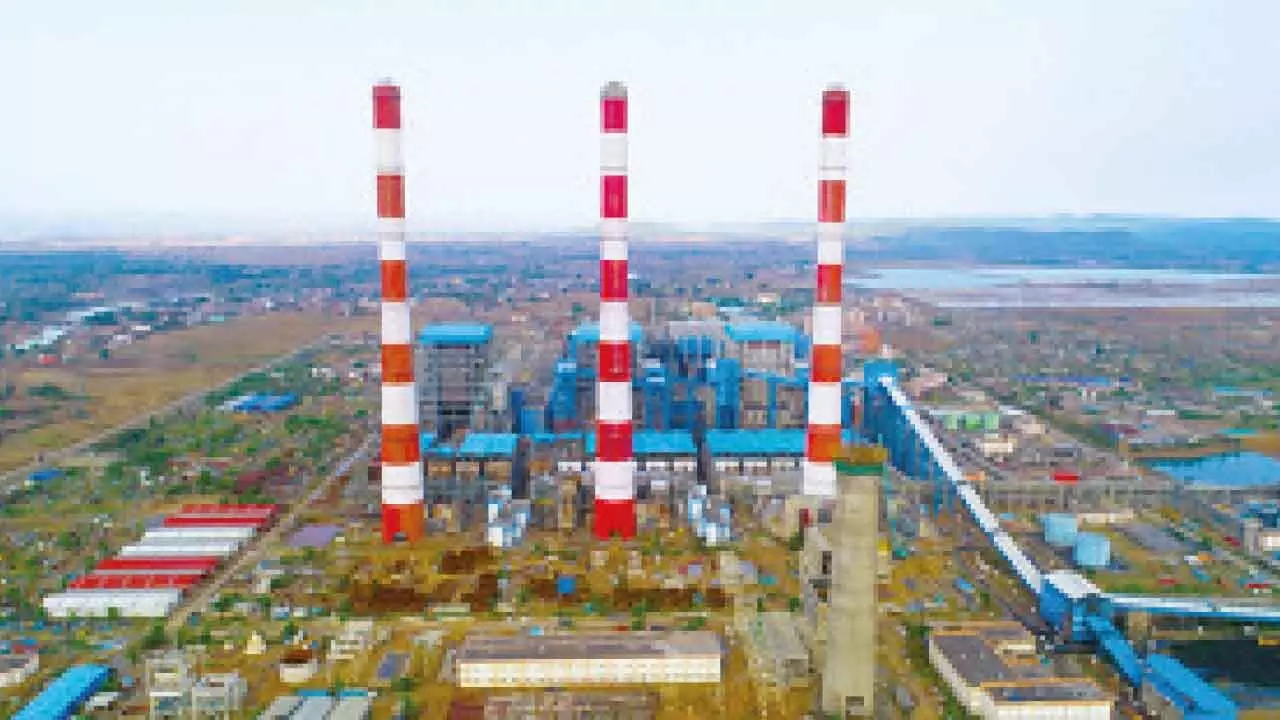
Thermal Power Investments in India Set to Double: ₹2.3 Lakh Crore Expected by FY28
A Surge in Thermal Power Focus India’s thermal power sector is witnessing a renewed wave of interest and investment. According to a recent report by Crisil Ratings, the total investment in thermal electricity generation capacity is expected to double to ₹2.3 lakh crore over the next three financial years ending FY2028. This marks a significant jump compared to the preceding three years and signals the country’s strategic pivot back toward conventional power sources to ensure energy security and base load support. Why the Spike in Thermal Investments? India’s energy demand continues to grow rapidly due to urbanization, industrial growth, digital infrastructure expansion, and rising household consumption. While renewable energy has been a major focus in recent years, thermal energy remains crucial in meeting base load power requirements—particularly during periods of low solar and wind output. The Crisil Ratings report underlines that the government’s focus on ensuring reliable 24/7 power across all sectors has necessitated a stronger emphasis on thermal capacity in the short to medium term. Despite the global shift towards green energy, thermal power still provides the stability and scale that renewables, as of now, cannot consistently offer. Investment Comparison: Past vs. Future Over the last three fiscals (FY2023–FY2025), investments in thermal power projects stood at approximately ₹1.15 lakh crore. During this period, the majority of the investment came from public sector undertakings (PSUs), with private sector participation limited to just 7–8%. However, this trend is expected to shift dramatically over the upcoming period (FY2026–FY2028), with the total investments projected to double. Crisil’s report highlights that private sector companies are likely to contribute around one-third of the investments, signaling a growing confidence and interest from private players in the thermal segment. Breakdown of Investment Sources (FY2026–FY2028): Private Sector: ~33% of ₹2.3 lakh crore Public Sector (Central & State PSUs): ~67% of ₹2.3 lakh crore Government Policy & Thermal Targets The Indian government has been revisiting its energy mix strategy, especially after several grid strain incidents during peak demand periods. As part of this renewed focus, the government has announced a target of adding at least 80 GW of thermal power capacity by fiscal year 2032. This addition aligns with India’s broader aim of achieving energy security, while gradually transitioning to a greener mix. Rather than abandoning thermal altogether, the strategy is now centered on coexistence, where fossil fuels support renewables in delivering uninterrupted power. Key Drivers Behind the Thermal Revival 1. Rising Power Demand With India’s GDP projected to grow at a robust pace, electricity demand is expected to increase proportionally. Infrastructure, transportation (including EVs), data centers, and smart city projects are energy-intensive sectors fueling this demand. 2. Grid Stability Requirements Despite large-scale renewable capacity additions, solar and wind power are intermittent sources. Coal-based plants continue to serve as reliable backups for maintaining grid stability, especially during evening hours and cloudy or windless days. 3. Improved Technology & Efficiency New-age thermal power plants are increasingly incorporating supercritical and ultra-supercritical technologies, which are more efficient and environmentally compliant. These upgrades are making thermal investments more attractive, especially for private players with long-term horizons. 4. Energy Security With geopolitical tensions and fuel supply uncertainties, having a strong domestic thermal power base ensures India doesn’t overly rely on energy imports, especially during demand spikes or fuel price volatility. Role of the Private Sector: A Notable Shift One of the most encouraging aspects of the upcoming thermal expansion is the rising role of private companies. From contributing less than 10% in the recent past, private players are now expected to invest nearly ₹75,000 crore over the next three years. This could be attributed to: More clarity in policy frameworks. Attractive project returns due to high capacity utilization. Government incentives and push for hybrid models, where renewable and thermal work together. A mature financing ecosystem with improved access to debt and equity. Balancing the Energy Mix: A Dual Approach India’s approach now clearly appears to be “renewables + reliable thermal”, rather than an abrupt transition. While solar, wind, and hydro are being aggressively pushed, coal-based power plants will remain a key component of the overall power generation landscape at least through the next decade. Crisil’s report suggests that synchronized planning and policy support will be crucial to ensure that this investment surge translates into efficient and sustainable outcomes.
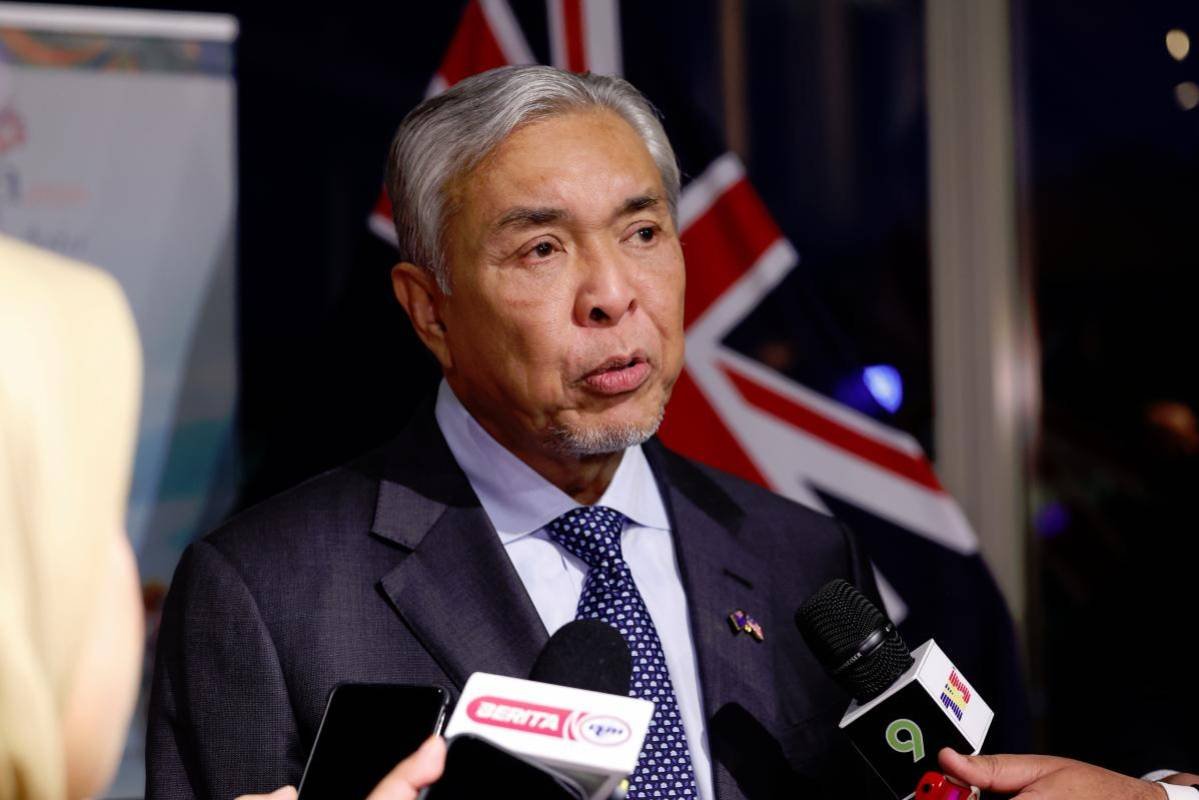
Malaysia Eyes Maori Model to Reform Aboriginal Peoples Act After 71 Years
A Long-Awaited Review After more than seven decades, the Malaysian government is undertaking a significant review of the Aboriginal Peoples Act 1954 (Act 134). This historic piece of legislation, which governs the rights and welfare of Malaysia’s indigenous Orang Asli communities, is finally being reassessed to better reflect current social, economic, and cultural realities. The move has gained momentum with the government considering elements from New Zealand’s Maori empowerment model, which is widely respected for its indigenous inclusion and progressive land rights. Leadership’s Commitment to Indigenous Advancement Deputy Prime Minister Datuk Seri Dr Ahmad Zahid Hamidi announced that the review will focus on key areas that have remained outdated and ineffective in empowering the indigenous population. Speaking at a national forum on indigenous rights, Ahmad Zahid acknowledged that Act 134 was crafted in a different era and must evolve to remain relevant in today’s Malaysia. “This Act 134 is 71 years old, and many aspects need to be re-examined,” Zahid said. “It is time to address long-standing gaps, especially in land rights, education, and socio-economic inclusion.” Learning from the Maori Experience The inspiration to adopt parts of New Zealand’s Maori empowerment framework comes from the Maori community’s relatively successful integration into national policies without compromising their cultural identity. Malaysia is looking closely at how the Maori have secured land ownership rights, educational equity, and business empowerment, often in partnership with government institutions. Zahid emphasized that while Malaysia cannot adopt the Maori model wholesale due to contextual differences, there are principles and strategies that could be localized. “New Zealand’s approach offers valuable lessons, especially in recognizing the unique position of indigenous people in national development,” he added. Focus Areas of Reform The government has outlined three primary focus areas in the reform of the Aboriginal Peoples Act: 1. Secure Land Ownership for the Orang Asli One of the most contentious issues has been the lack of legally recognized land rights for the Orang Asli. Under the current Act, land occupied by indigenous communities can be gazetted as “Aboriginal Reserves,” but these lands do not offer full ownership or permanent tenure. This has often led to forced evictions, encroachments, and disputes with developers and state authorities. The Maori model, which involves returning ancestral lands or offering compensation and joint ownership schemes, is being considered as a possible blueprint for future land reforms in Malaysia. 2. Improving Access to Quality Education Despite numerous government initiatives, many Orang Asli children continue to face barriers in accessing quality education, including distance from schools, language challenges, and cultural disconnects. The government is studying how Maori language immersion schools and culturally tailored curricula have helped improve Maori educational outcomes. Malaysia may introduce community-based schools, indigenous teacher training programs, and scholarship schemes to better support Orang Asli students. 3. Supporting Indigenous Entrepreneurs The third pillar of the reform involves the economic empowerment of indigenous entrepreneurs. Ahmad Zahid noted that the government intends to allocate more resources for microfinance programs, business training, and market access for Orang Asli enterprises. Lessons will be drawn from Maori-owned businesses that have thrived in sectors like tourism, agriculture, and retail. Balancing Modernization with Cultural Preservation While the reforms aim to improve living conditions and economic participation, policymakers are also aware of the need to preserve Orang Asli culture, language, and identity. The government intends to include cultural consultation mechanisms in the drafting of the amended Act to ensure that indigenous voices are heard and respected. Civil society groups, non-governmental organizations, and Orang Asli representatives are expected to play a key role in shaping these reforms. A Multi-Stakeholder Approach The process of amending the Aboriginal Peoples Act will involve inter-agency collaboration, including the Department of Orang Asli Development (JAKOA), the Ministry of Education, the Ministry of Rural and Regional Development, and international indigenous rights experts. A special task force is being set up to study legislative options and recommend concrete changes to the Act. International observers from the United Nations Permanent Forum on Indigenous Issues have expressed support for Malaysia’s initiative, noting that this could set a positive precedent in Southeast Asia.
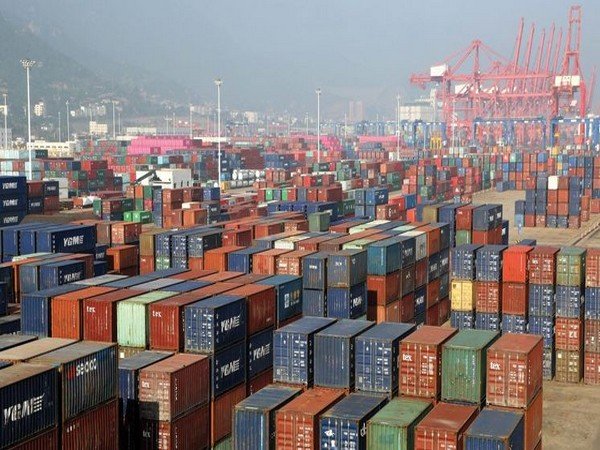
DP World, Deendayal Port Authority, and Nevomo sign MoU to explore autonomous magnetic rail freight in India
In a landmark move to revolutionize freight transportation in India, DP World, Deendayal Port Authority (DPA), and Nevomo have signed a Memorandum of Understanding (MoU) to explore the deployment of cutting-edge autonomous magnetic rail freight systems. This ambitious collaboration seeks to transform cargo movement within Indian port ecosystems by introducing Nevomo’s proprietary MagRail technology—a next-generation transport solution that blends magnetic levitation with existing rail infrastructure. A Strategic Partnership for a Smarter Freight Future The tripartite agreement marks a significant step towards future-proofing India’s logistics infrastructure. The MoU signifies the mutual intent of the three parties to conduct feasibility studies, examine pilot programs, and share technical knowledge to evaluate how MagRail can be integrated into the Indian freight ecosystem—starting at one of the country’s major ports. By combining DP World’s global expertise in logistics and terminal operations, Deendayal Port Authority’s strategic role in port development, and Nevomo’s engineering innovation in magnetic transportation, the initiative aspires to deliver more efficient, sustainable, and high-capacity cargo movement. MagRail Technology: The Future of Freight At the heart of this collaboration is Nevomo’s MagRail technology, a hybrid system designed to upgrade conventional rail lines with magnetic propulsion and levitation capabilities. Unlike traditional high-speed maglev systems that require entirely new infrastructure, MagRail can be retrofitted onto existing railway tracks, making it a cost-effective and scalable solution. Key features of the MagRail system include: Autonomous vehicle operation Electromagnetic propulsion and braking Reduced energy consumption and friction Increased speed and efficiency Zero direct emissions MagRail supports dual operations, meaning it can accommodate both conventional trains and magnetically levitated vehicles, making it highly adaptable for phased implementation. Pilot Project in Gujarat: A First for India As a part of this collaborative vision, a 750-meter pilot project is set to be launched at Deendayal Port in Kandla, Gujarat. This pilot will serve as a live testbed to demonstrate the capabilities and operational feasibility of MagRail technology in an Indian port environment. The project will aim to validate: The viability of autonomous magnetic rail freight movement in real-world port conditions Integration with existing port logistics and container handling operations Scalability for future expansion across India’s port network Safety, operational efficiency, and cost-performance benefits If successful, this pilot could become the foundation for a nationwide transformation in freight logistics—reducing reliance on diesel locomotives, minimizing congestion, and boosting India’s supply chain resilience.

Bioxyne Limited Insider Anthony Ho Offloads A$42,500 in Shares
Bioxyne Limited (ASX:BXN), a life sciences company engaged in health and wellness products, witnessed a notable insider transaction on Wednesday, July 9th. Company insider Anthony (Tony) Ho sold 2.5 million shares of Bioxyne stock in a single transaction. The shares were offloaded at an average price of A$0.02, amounting to a total sale value of A$42,500, equivalent to approximately US$27,960.53 based on current exchange rates. This transaction was disclosed in compliance with the ASX listing rules regarding insider share trading. While such moves by insiders are not unusual, they often attract investor attention as they can signal insider sentiment on the company’s future outlook. Details of the Insider Sale Anthony Ho, who serves as a board member of Bioxyne Limited, made the sale as part of a market transaction. The average sale price of A$0.02 may seem nominal on the surface, but it represents a significant quantity of shares — 2.5 million — making the transaction notable in scale. The total value of the sale may not appear large in dollar terms, but it signifies a material change in Ho’s holdings. Insider transactions are closely monitored by market analysts and retail investors alike, as they may offer indirect signals about the insider’s confidence in the company’s short- or long-term prospects. However, insider sales can also occur for a variety of personal or financial planning reasons, which may not necessarily reflect concerns about the company’s fundamentals. Company Financial Metrics Bioxyne Limited has been striving to strengthen its financial position amid challenging global economic conditions. Based on the company’s most recent financial data, Bioxyne exhibits a quick ratio of 2.30 and a current ratio of 1.92, both indicators suggesting that the company is in a relatively healthy liquidity position. These figures show that the company can meet its short-term liabilities without having to liquidate long-term assets. However, the company carries a debt-to-equity ratio of 18.68, which suggests a moderate level of financial leverage. While this is not considered excessive, it does mean that Bioxyne has a notable amount of debt on its books compared to shareholder equity. About Bioxyne Limited Bioxyne Limited is an Australian-based health and biotechnology company, trading under the ticker symbol BXN on the Australian Securities Exchange (ASX). The firm focuses on the development, distribution, and marketing of functional food and supplements, targeting both local and international markets. Its product lines include immunity-boosting supplements and probiotics, which are sold through various retail and online channels. The company has also been active in expanding its commercial footprint in Southeast Asia and other parts of the Asia-Pacific region. Through partnerships and product innovation, Bioxyne seeks to capture a growing segment of consumers who are increasingly interested in health and wellness products. Market Reaction and Share Price Performance Following the insider sale, Bioxyne’s stock price remained relatively stable, which suggests that the market may not have interpreted the transaction as a sign of distress. The trading volumes and investor sentiment did not show significant volatility immediately following the announcement. At the time of the insider transaction, shares were trading at approximately A$0.02 per share, reflecting the penny-stock status of the company. While such pricing may indicate speculative trading activity, it also presents potential upside for investors who believe in the long-term story of the company. Bioxyne’s shares have shown limited movement over the past 12 months, typical of smaller-cap health stocks in the Australian market. Investors in the company may be more focused on long-term product development milestones and strategic growth plans rather than short-term price action. Insider Trading: What It Means for Investors Insider trading, particularly in the form of stock sales, often raises red flags for retail investors who may question the motives behind such moves. However, it’s important to interpret such transactions in context. Not all insider sales reflect pessimism about a company’s future. In many cases, insiders may sell stock for tax planning, diversification of their financial portfolio, or personal liquidity needs. Nevertheless, when large blocks of shares are sold, especially by senior management or board members, it is prudent for investors to stay informed. Tracking insider activity is just one of many metrics investors can use to gauge the overall health and outlook of a company.

Ramada Encore by Wyndham to Redefine Luxury in Bhuj, Gujarat with 2028 Hotel Launch
Ramada Encore by Wyndham, a globally recognized brand known for its modern, stylish, and comfortable accommodations, is all set to debut in Bhuj, Gujarat, with a brand-new hotel scheduled to open its doors in 2028. This strategic expansion reflects Wyndham Hotels & Resorts’ ongoing commitment to strengthen its presence across India, especially in rapidly developing tier-2 and tier-3 cities. Expanding Wyndham’s Footprint in India Wyndham Hotels & Resorts, one of the world’s largest and most diverse hotel franchising companies, has been focusing its development strategy on emerging markets within India. Recognizing the rising potential of secondary cities, Wyndham aims to cater to the growing demand for quality accommodations in destinations that blend cultural richness with increasing economic importance. The decision to establish a new Ramada Encore property in Bhuj is a testament to the brand’s confidence in the city’s future as a thriving hub for tourism, business, and cultural exploration. Why Bhuj? A Cultural Gem and Tourism Gateway Situated in the western state of Gujarat, Bhuj is a city known for its vibrant history, traditional crafts, and architectural marvels. It serves as the gateway to the famous Rann of Kutch, a seasonal salt marsh that transforms into a cultural wonderland during the annual Rann Utsav—a celebration of music, dance, handicrafts, and cuisine. Bhuj also holds strategic importance due to its evolving infrastructure, improved connectivity, and growing prominence as a center for trade and tourism. These factors make it an ideal location for international hospitality brands looking to tap into the region’s growth. What to Expect from Ramada Encore Bhuj The upcoming Ramada Encore in Bhuj promises a seamless blend of modern luxury, convenience, and cultural aesthetics. Staying true to the brand’s core values, the property will focus on offering all-inclusive comfort tailored for both business and leisure travelers. Key Features Will Include: Stylish and Functional Guest Rooms: Smartly designed spaces with contemporary interiors, tech-friendly amenities, and an emphasis on comfort. All-Day Dining Options: A multi-cuisine restaurant and café serving local delicacies and international favorites. State-of-the-Art Meeting Spaces: Equipped for conferences, business meetings, and private events, ideal for corporate travelers. Wellness and Fitness Facilities: Including a fully-equipped gym, spa services, and wellness zones for relaxation. Cultural Integration: Design elements and guest experiences inspired by local art, crafts, and traditions of Kutch. Boosting Regional Economy and Tourism The introduction of a globally respected brand like Ramada Encore will not only enhance the hospitality landscape of Bhuj but also stimulate the local economy. The hotel is expected to generate employment opportunities across hospitality, food services, and management sectors, while also attracting more national and international tourists to the region. This influx of tourism is anticipated to provide a boost to local artisans, businesses, and service providers, reinforcing Bhuj’s status as a must-visit destination in Gujarat. Wyndham’s Vision for Tier-2 and Tier-3 Growth This project aligns with Wyndham Hotels & Resorts’ broader strategy to develop high-quality hospitality infrastructure in India’s lesser-saturated markets. With rising disposable incomes, improved transportation networks, and an increasing number of domestic travelers exploring offbeat destinations, cities like Bhuj represent new frontiers for hospitality excellence. As part of this strategy, Wyndham has been signing franchise agreements and launching hotels in cities like Agra, Varanasi, Siliguri, Tirupati, and now Bhuj—each carefully selected for its potential to grow into a hospitality hotspot.

Rising Tensions in the Red Sea: Houthi Militants Target Greek Bulk Carrier
The fragile peace in the Red Sea was shattered this week as Houthi militants intensified their attacks on commercial vessels, targeting a Greek-owned bulk carrier named Eternity C. The vessel was struck and sunk near Yemen’s coast, sparking international concern and prompting shipping companies to reconsider their transit routes through this vital maritime corridor. Eternity C Attacked and Sunk On Wednesday, July 9th, Houthi forces launched a direct assault on the Eternity C, a Greek-operated bulk carrier navigating through the Red Sea. The vessel, reportedly carrying agricultural commodities, came under fire in an area previously considered relatively safe in recent months. Following the attack, the ship sank, adding to the growing list of vessels targeted by the Iran-backed militia in the region. Rescue Efforts Underway: Crew Members Saved In a dramatic rescue operation, three more crew members along with a security guard were pulled alive from the waters of the Red Sea on Thursday morning. These survivors were located not far from the site of the attack and were retrieved by allied naval forces conducting search-and-rescue operations in coordination with international maritime agencies. Despite this success, the situation remains grim. Six other crew members of the Eternity C are reportedly being held captive by the Houthis. Their condition remains unknown, and diplomatic channels are now working urgently to secure their release. Escalation Threatens Regional Stability This latest attack underscores a worrying trend of escalating maritime aggression by the Houthis. While peace had tentatively held for several months along Yemen’s Red Sea coast following international pressure and UN-mediated efforts, this attack highlights the fragility of that calm. According to maritime security experts, the incident signals a clear return to hostility, with the Houthis appearing emboldened to disrupt commercial shipping and international trade. The Red Sea remains one of the most critical maritime routes in the world, connecting the Mediterranean Sea to the Indian Ocean via the Suez Canal. Any disruption here has global economic implications. Shipping Industry on High Alert The targeting of Eternity C has sent shockwaves through the international shipping industry. Several major shipping companies have already begun rerouting vessels away from the Red Sea and Gulf of Aden, choosing the longer and more expensive route around the Cape of Good Hope. This precautionary move, while costly, is deemed necessary due to the unpredictable threat posed by Houthi-controlled coastal areas. Insurance premiums for vessels transiting the region have also soared, further compounding the economic impact of these attacks. A spokesperson for a European shipping conglomerate stated, “We cannot compromise on the safety of our crew or our cargo. Until there is a coordinated response to these threats, our vessels will avoid the Red Sea.”

Dubai Airports Introduces Smart Pickup with DXB Greet & Go at Terminal 3
A Step Towards Seamless Travel at DXB Dubai Airports has officially launched DXB Greet & Go, a cutting-edge smart pickup solution at Dubai International Airport’s Terminal 3 (DXB T3). This innovation marks a significant step in transforming the airport arrival experience by replacing the traditional, often chaotic, guest paging system with a seamless, technology-driven process. As one of the world’s busiest airports, DXB continually seeks to innovate and enhance passenger experiences. With the introduction of DXB Greet & Go, the airport sets a new benchmark for convenience, efficiency, and security in the arrivals process. Designed for Pre-Arranged Transfers The DXB Greet & Go service is specifically tailored for travelers arriving in Dubai who have pre-booked ground transportation services. Whether booked through hotels, limousine companies, or tour operators, passengers can now skip the hassle of locating their drivers amidst the crowd. The traditional method of finding a placard with their name has been replaced by a smart, QR-code-enabled system. How the Smart Pickup System Works Upon arrival at Terminal 3, guests are directed to a dedicated Greet & Go kiosk in the Arrivals area. Here’s how the process works: QR Code Scanning: Travelers scan a unique QR code that has been provided to them in advance by their transport service provider. Driver & Vehicle Information: Instantly, passengers receive essential details such as: The driver’s name Car registration number Exact parking location Multilingual Assistance: Trained DXB staff, fluent in multiple languages, are available to assist guests. They ensure that each traveler is personally guided to their assigned vehicle, making the transition from air to ground travel both smooth and stress-free. Centralized & Secure Meeting Point DXB Greet & Go is strategically located in the Arrivals area of Terminal 3, acting as a secure and organized meeting zone. This helps reduce congestion, eliminates confusion, and improves overall security. The centralized nature of this service also enhances the airport’s operational efficiency by streamlining the pickup process for thousands of passengers daily. Enhancing Guest Experience Through Technology The launch of DXB Greet & Go highlights Dubai Airports’ commitment to leveraging technology to improve passenger satisfaction. By integrating QR code functionality and a digital interface, DXB ensures that every step of the passenger’s journey—from flight to vehicle—is efficient and modernized. This initiative aligns with Dubai’s broader smart city goals, where innovation and technology are central to public services and infrastructure. It also supports Dubai Airports’ vision to become the world’s leading customer-centric airport. Multilingual Support for a Global Audience Recognizing that DXB serves passengers from around the globe, the airport has invested in multilingual support staff to assist users of the Greet & Go service. Whether a traveler speaks English, Arabic, Hindi, Russian, or Mandarin, they can comfortably navigate the process with the help of on-ground staff. This approach not only enhances accessibility but also reduces the chances of miscommunication or delays. Benefits for All Stakeholders The DXB Greet & Go service benefits all parties involved: For passengers: A stress-free and personalized arrival experience. For drivers and tour operators: A more structured, efficient way to connect with clients. For airport authorities: Improved flow and management of arriving passengers. For hotels and travel agencies: Enhanced guest satisfaction right from the moment of arrival. Safety and Compliance Security and passenger safety remain top priorities. The Greet & Go zone is designed to comply with DXB’s rigorous security and service standards. The use of registered vehicles and verified personnel ensures a safe handover for all passengers. The process minimizes crowding and confusion, allowing authorities to better monitor and manage the arrivals zone.

India’s Innovation Surge: Poised to Lead the Global Economy
India is rapidly solidifying its position as a global economic frontrunner, emerging as a powerhouse of innovation and industrial strength, according to a recent report by PricewaterhouseCoopers (PwC). The report underscores India’s growing potential to become a key driver of the world economy, backed by significant strides in innovation, robust manufacturing capabilities, and sustained economic momentum. India: A Rising Global Innovation Hub PwC’s analysis points to a transformation underway in India, where innovation is increasingly becoming a cornerstone of national growth. The report emphasizes that India is no longer just a participant in the global innovation ecosystem—it is becoming a leader. From artificial intelligence to green energy, Indian enterprises and startups are contributing groundbreaking solutions that address both domestic and global challenges. The country’s growing talent pool, coupled with increased investment in R&D (Research and Development), has created a dynamic environment for innovation. This shift is reflected in the rising number of patents filed by Indian companies and institutions, as well as the proliferation of technology-driven startups across the nation. Strong Economic and Industrial Momentum The report credits India’s rapid ascent in the global economic rankings to a combination of strong macroeconomic fundamentals and proactive policy measures. Despite global uncertainties, India has shown resilience, maintaining steady GDP growth while keeping inflation under control. The government’s focus on infrastructure, digitalization, and ease of doing business has also played a crucial role in strengthening the economic landscape. In particular, the “Make in India” initiative has contributed significantly to expanding the country’s manufacturing base. As companies around the world look to diversify supply chains post-pandemic, India has become an increasingly attractive destination for foreign direct investment (FDI), especially in electronics, semiconductors, pharmaceuticals, and electric vehicles. Expanding Manufacturing Capabilities India’s manufacturing sector is undergoing a transformation, evolving into a key pillar of national development. PwC notes that the implementation of Production Linked Incentive (PLI) schemes across sectors has attracted both domestic and international manufacturers, fueling industrial growth and job creation. Sectors such as electronics, automotive, chemicals, and pharmaceuticals are experiencing a surge in production capacity. The government’s commitment to developing world-class industrial corridors and logistics infrastructure is expected to further support this momentum and reduce costs across the supply chain. Innovation-Driven Startups on the Rise India’s startup ecosystem is now the third largest in the world, with over 100 unicorns and a vibrant pool of early-stage ventures. The PwC report highlights the critical role these startups play in fostering innovation, particularly in fintech, edtech, healthtech, and agritech. With increasing access to venture capital and a large digitally connected population, Indian startups are creating scalable and sustainable solutions for both urban and rural markets. Government programs like Startup India and Digital India continue to provide vital support through funding, mentorship, and regulatory reforms. Digital Transformation Accelerating Growth Another major driver of India’s economic resurgence is its digital transformation. The widespread adoption of digital payments, expansion of mobile internet, and the implementation of platforms like Aadhaar and UPI (Unified Payments Interface) have created a robust digital infrastructure. PwC states that this digital backbone has enabled greater financial inclusion, improved governance, and facilitated business transactions at all levels of the economy. India’s leadership in digital public goods is increasingly being recognized by other countries seeking to replicate similar models. Sustainability and Green Innovation on the Agenda As the world pivots towards sustainable development, India is also making strategic investments in clean energy and green technologies. The report highlights India’s ambitious goals for renewable energy capacity and its growing role in the global green economy. From solar and wind power to electric mobility and green hydrogen, India is positioning itself as a hub for sustainable innovation. Collaborations with global partners, as well as strong domestic policy incentives, are helping build capacity in these critical areas. Demographic Dividend and Talent Pool India’s large and youthful population is another key asset driving its innovation-led growth. With more than 65% of the population under the age of 35, the country has a vast and dynamic workforce that is increasingly equipped with digital and technical skills. PwC’s report emphasizes the importance of education, skilling, and digital literacy programs in unlocking the full potential of this demographic dividend. Initiatives such as Skill India and PMKVY (Pradhan Mantri Kaushal Vikas Yojana) are preparing millions for high-value jobs in a knowledge-based economy. Global Confidence in India’s Economic Future India’s emergence as a global innovation and economic hub is not going unnoticed. The report notes that multinational corporations and investors are expressing growing confidence in India’s long-term prospects. Strategic partnerships, joint ventures, and global R&D centers are increasingly being established in the country. Furthermore, India’s active participation in international forums such as the G20, BRICS, and QUAD underlines its expanding geopolitical and economic influence.