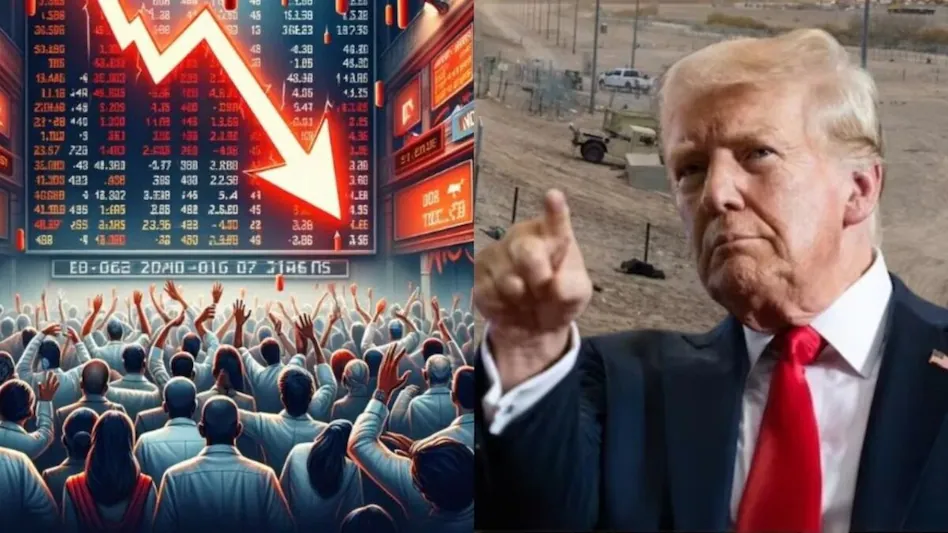
Introduction The global financial markets are facing renewed volatility as the Trump administration announced broader-than-expected reciprocal tariffs. This latest move...
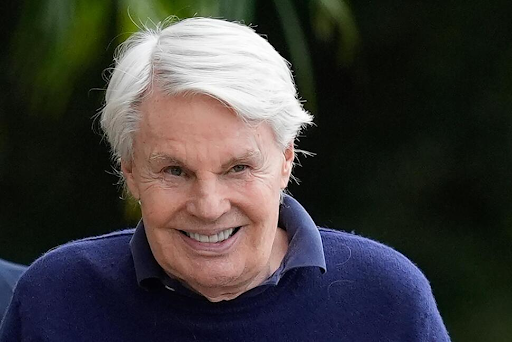
In a case that has shocked both the business and fashion worlds, former Abercrombie & Fitch CEO Mike Jeffries faces accusations that extend far beyond boardroom politics. Jeffries, who spearheaded Abercrombie & Fitch’s transformation into a global retail phenomenon, is now under scrutiny for serious charges involving sex trafficking and prostitution. The upcoming arraignment will shed light on allegations that could unveil an extensive pattern of exploitation tied to his position.
This case raises critical questions about the accountability of influential figures in positions of power, the ethics surrounding the abuse of authority, and the broader implications for corporate culture. Below, we delve into the background of the case, the accusations facing Jeffries, and the potential impact on both the individuals involved and the broader business landscape.
Mike Jeffries is widely known for leading Abercrombie & Fitch during its meteoric rise in the 1990s and 2000s. Under his leadership, the brand became synonymous with a particular kind of “All-American” aesthetic, emphasizing exclusivity and beauty in its marketing campaigns. This branding came at a controversial cost, as Jeffries often stirred public backlash for his rigid standards of beauty and inclusion. Critics argued that Abercrombie & Fitch’s image promoted unrealistic beauty standards, while Jeffries defended the brand’s marketing as highly curated to target a specific demographic.
While his aggressive marketing strategies helped Abercrombie achieve widespread success, they also sowed seeds of controversy that led to Jeffries’ eventual departure from the company in 2014. However, the allegations now surfacing in this legal case suggest that Jeffries may have been involved in activities that go far beyond mere controversy.
The charges against Jeffries are grave, including sex trafficking and prostitution—both serious violations with deep-rooted legal and ethical implications. According to preliminary reports, Jeffries allegedly engaged in, or enabled, a series of activities that exploited young men through coercive means. The charges claim that he abused his position of power, luring young models and influencers with promises of career advancement in exchange for engaging in explicit acts.
These allegations echo broader concerns about power imbalances in industries like fashion, where vulnerable individuals seeking fame or success are often susceptible to manipulation. Prosecutors claim that Jeffries, along with his associates, may have been operating a highly orchestrated network of exploitation. The investigation is anticipated to bring forth witnesses who will provide insight into this alleged system, and their testimonies are expected to be crucial in painting a clear picture of the activities involved.
Although Jeffries left Abercrombie & Fitch almost a decade ago, his actions continue to cast a shadow over the brand’s legacy. As one of the most prominent figures associated with Abercrombie’s rise to fame, Jeffries’ legal troubles could impact the perception of the brand, even if indirectly. Abercrombie & Fitch has since sought to rebrand itself, pivoting toward inclusivity and diversity after distancing itself from Jeffries’ exclusive image standards. However, with these new allegations surfacing, Abercrombie may again find itself in the limelight for unfavorable reasons.
The brand has yet to release an official statement regarding the charges against its former CEO, but industry experts speculate that this case could serve as a pivotal moment for Abercrombie & Fitch, further challenging its efforts to redefine its image.
The case against Jeffries brings forth the question of corporate accountability and how companies can better safeguard against potential abuses of power by senior executives. In industries that often idolize high-profile figures, the boundaries between personal and professional conduct can blur, leading to situations where unethical behavior is overlooked due to an individual’s contribution to a brand’s success.
If the charges against Jeffries hold, it could lead to broader changes within corporate governance structures, particularly in fashion and entertainment, where allegations of exploitation are unfortunately prevalent. Board members and investors may advocate for stricter oversight mechanisms to prevent such cases from occurring in the future.
The upcoming arraignment will likely provide initial insights into the evidence collected against Jeffries and his associates. Legal experts suggest that the case may set a precedent in terms of accountability for those in power within the fashion industry. Prosecutors have reportedly gathered substantial evidence, and if the allegations are substantiated, it could lead to significant legal consequences for Jeffries.
Beyond the legal ramifications, this case could act as a catalyst for much-needed conversations around power dynamics in the corporate world. By holding prominent figures accountable for their actions, society can hope to create safer environments for all individuals in industries where young talent often operates at a disadvantage.
The Jeffries case underscores the darker side of an industry that is often glamorized but rarely scrutinized at this level. A positive outcome of this high-profile case could be increased protections for individuals entering the fashion world, helping to ensure that opportunities are provided in a safe and ethical manner. Industry leaders might be motivated to adopt stricter guidelines and practices that prevent exploitation and abuse, fostering a healthier workplace culture in fashion and beyond.
The implications of this case could reach far beyond one individual or one company. For an industry where image is everything, an increased focus on ethics and integrity could reshape how brands approach talent management and brand identity. By addressing these systemic issues, the fashion world can work towards a future where exploitation is eradicated and where transparency and respect define industry standards.

Introduction The global financial markets are facing renewed volatility as the Trump administration announced broader-than-expected reciprocal tariffs. This latest move...

Introduction As the world braces for a new wave of tariffs imposed by former U.S. President Donald Trump, global markets...

Market Overview The Indian equity markets faced a turbulent start in Tuesday’s trade, with both the Nifty 50 and Sensex...

Google AI Model Release : The Next Stage in Google’s Virtual Agent Push Google has taken a bold step in...

Ferrari earnings growth 2025 Shares Pop 8% as Luxury Carmaker Sees Further Earnings Growth Ferrari earnings growth 2025 , the...
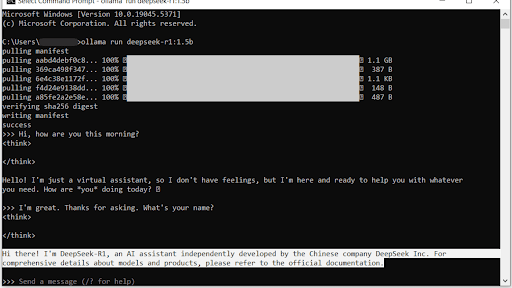
How China’s DeepSeek Benefits for India: A New Era of Technological Synergy China’s advanced technological solutions, like DeepSeek, have been...