Why the FAA Has Banned U.S.-Haiti Flights for 30 Days
The reason why the FAA is temporarily grounding flights to Haiti is the interest of the agency in ensuring air passengers’ safety. The situation occurring with Spirit Airlines is a harsh reminder of the fluid and hazardous situation in Haiti. It is particularly in the region of Port-au-Prince that the incidence of armed violence has increased as social and economic problems have become worse. Gangs reportedly have a high level of control over specific parts of these places. Such unpredictable threats may have increased chances to incoming flights and passengers.
This event, then, asks the FAA to take swift action regarding undetermined risks that affect American citizens and airlines based in the United States. The immediate action taken now – to ban flights coming from Haiti for 30 days – allows the FAA to carefully examine the development, thus giving Haitian authorities a space to look after the stabilization of the airport condition and determine if additional security measures can mitigate another such occurrence.
The Spirit Airlines Incident: What We Know So Far
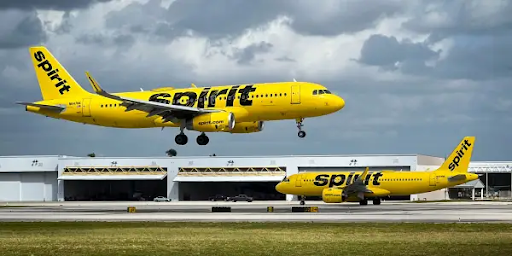
The flight from Fort Lauderdale to Port-au-Prince, Spirit Airlines, carried an unsettling reminder of violence that the country has to go through. When the plane was making its approach for landing, bullets struck it, and waves of panic struck the passengers. Fortunately, no one on that flight was hurt, and the pilots brought down the aircraft with the help of causing minimum shock and trauma. Both Spirit Airlines and the FAA reacted in response to the accident, which put this restriction into place over flights for a month.
Spirit Airlines gave a statement saying it is committed to safety and that the safety of customers will always come first. The airline will work closely with the authorities to determine what occurred and in what circumstances the attack, hoping that this will get to the root of the situation and correct it. This attack has called into question the commercial flights into Haiti because Haiti is one of the countries in the region working its way through some turbulent security issues.
Broader Impact of the Flight Ban on Haitian and U.S. Communities
Flights to and from Haiti are suspended and therefore naturally affect thousands of people traveling between the two countries for work or family reunification reasons, as well as for humanitarian reasons. Given that there is also a big diaspora community in the United States, regular flights are therefore a lifeline for people who can return for their family members in one country and their origin in the other. Many people are now scurrying to make last-minute changes in their plans with the effect of this ban, and for its part, the U.S.-based Haitian community leaders are calling on the FAA to exhaust all possible avenues to maintain open travel options, though without compromising safety standards.
It impacts businesses, humanitarian organizations, and aid workers often traveling to Haiti to perform critical work. Given the current security situation, it would be wise to err on the side of caution, but stakeholder hopes are running high for a solution that will allow them to continue their operations safely, inasmuch as the economic and humanitarian cost to Haiti could intensify for a more extended period of isolation.
FAA’s Role and the Process Behind Flight Bans
This leaves securing air travel safety within the United States and by U.S. registered carriers in general as the FAA‘s main function. The FAA also issues advisories or outright bans on very rare occasions as a result of significant and credible threats. These decisions would come on the basis of intelligence the agency draws from other departments of the U.S. government and international aviation authorities. Bans of this sort over flights into Haiti typically are reviewed often and updated because the status changes. The FAA would likely monitor on-the-ground conditions closely in considering the ban on new information with Haiti.
What This Ban Means for Airlines and Passengers
Flights that connect the US with Haiti are being rerouted, canceled, or temporarily suspended due to the ban. Passengers are entitled to refunds or rebooking depending on their flight schedules. Some airlines will also provide future flight information following updates by the FAA. Meanwhile, travelers are advised to stay abreast of this unfolding situation and take an alternative route if needed.
This will be both disruptive and worrisome to people who regularly travel between the U.S. and Haiti. The additional uncertainty in air travels to Haiti on its own underlines the challenges of instability and raises the critical importance of setting a safe environment before flying can resume again.
The Path Forward: Security and Stability as Key Priorities
As Haiti struggles with so many internal challenges, it is time for both the international community and Haitian government to focus on stabilizing these important infrastructures-for starters, its airports. Ensuring the safety of these institutions not only really impacts the chances for tourists but also the delivery of aid, business, and familial ties on which Haiti depends so heavily. Underlying security concerns which work with international partners will bring it towards a better climate for restoring normal flights.
This might be a wake-up call by the FAA that brings about stronger coordination among international and local agencies that would pave a way for sturdier solutions in efforts to regain confidence in the transportation channels of Haiti.