Fed September Minutes: Was the 50 Bps Rate Hike a Slam Dunk? | BizBlog News

Fed September Minutes: Was the 50 Bps Rate Hike a Slam Dunk or a Hard Sell?

The Federal Reserve’s September meeting has generated a significant amount of curiosity and anticipation. Market participants, analysts, and policymakers alike are eagerly awaiting the release of the Fed’s September minutes to discern whether the 50 basis points (bps) rate hike decision was a straightforward call or a heated debate. The decision could shed light on the Fed’s internal dynamics and hint at the future trajectory of monetary policy as inflation persists and economic uncertainty looms.

As we dig deeper into these minutes, we explore what factors may have contributed to the final verdict and whether the Fed was united in its resolve to tighten monetary policy. Was this decision an obvious response to surging inflation, or did differing opinions create friction in the room?

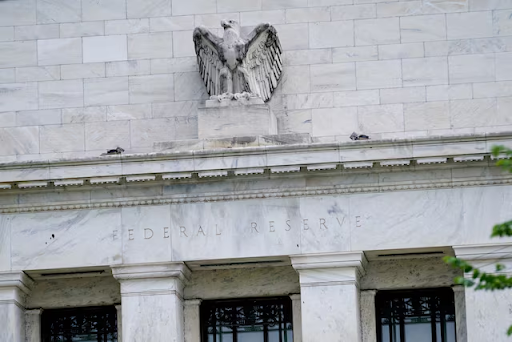
Federal Reserve discussing September minutes on rate hikes

Understanding the Fed's September Rate Hike Decision

The Federal Open Market Committee (FOMC), the policy-making arm of the Federal Reserve, opted for a 50 bps rate hike during its September meeting. This decision followed months of aggressive hikes designed to curb soaring inflation. The 50 bps rate increase marked a pivotal point for the Fed, signaling its commitment to controlling inflation while maintaining a balance to prevent an economic slowdown.

However, the question remains: Was this decision backed by unanimous support within the Fed, or was there significant resistance?

The Fed’s September minutes will answer this question, offering a behind-the-scenes look into the inner workings of the FOMC. It could reveal whether the hike was a ‘slam dunk’ decision, meaning it was widely accepted without pushback, or if it was a ‘hard sell,’ meaning the committee debated fiercely over the appropriate level of tightening

What Makes the September Minutes Crucial?

The Fed’s September minutes are not just an internal memo for economists to pore over—they offer key insights for global financial markets. These minutes will clarify how policymakers viewed inflationary pressures at that point in time, how they assessed economic data, and how confident they were in their ability to guide the economy towards a “soft landing.”

One of the most anticipated aspects of the September minutes is understanding whether there were signs of division within the FOMC. If the 50 bps rate hike was a slam dunk, it suggests that the Fed is committed to its path of continued tightening to tackle inflation. On the other hand, if it was a hard sell, it may reveal underlying concerns among policymakers about over-tightening and potentially triggering a recession.

Key Elements to Watch in the Minutes:

  • Inflation Commentary: The Fed’s views on current and future inflation trends will be critical to understanding their long-term strategy.
  • Economic Growth Outlook: Any discussion of recession risks or economic growth could hint at future policy adjustments.
  • Policymaker Disagreement: Whether any members of the FOMC expressed dissent regarding the magnitude of the rate hike or the pace of future hikes.

Was 50 Bps the Obvious Choice?

Many analysts believe that the decision to raise rates by 50 basis points in September was largely expected given the state of inflation at the time. With inflation running at multi-decade highs, the Fed has been under intense pressure to show its seriousness in tackling rising prices. This rate hike was viewed as a compromise between continuing to aggressively raise rates while also considering the lagging effects of previous hikes.

However, internal debates within the FOMC are not uncommon. Some members may have advocated for an even larger rate hike, while others may have preferred a more measured approach. By examining the Fed’s September minutes, we can see whether there were strong arguments for smaller or larger rate hikes, and whether the final decision was a product of consensus or compromise.

Potential Impact on Future Policy Decisions

The outcome of the September meeting holds significant implications for future policy decisions. If the minutes reveal that the 50 bps rate hike was met with little resistance, this could signal that further hikes of a similar magnitude are on the horizon. The Fed may choose to continue its aggressive tightening stance to ensure inflation is reined in for good.

Conversely, if the minutes show that there was considerable debate and hesitation, it could indicate that future rate hikes might be more moderate. This would suggest that the Fed is increasingly concerned about the risks of over-tightening and might pivot to a more cautious approach in the months ahead.

The Market’s Reaction to the September Minutes

Financial markets are often hypersensitive to the tone and content of the Fed’s minutes. The September minutes will be no different. If the market perceives that the Fed is likely to remain aggressive in its rate hike strategy, we could see further volatility in equity and bond markets. Conversely, if the minutes show that the Fed is more concerned about economic growth than previously thought, it could signal a softer stance and provide a boost to market sentiment.

Ultimately, the Fed’s September minutes will provide much-needed clarity on the central bank’s decision-making process, and market participants will be closely monitoring them for any signals about the future direction of monetary policy.

Fed September Minutes: What Will We Learn?

The release of the Fed’s September minutes will undoubtedly shed light on the internal dynamics of the FOMC. It will reveal whether the 50 bps rate hike was a slam dunk decision, signaling a united front in tackling inflation, or a hard sell, reflecting diverging opinions within the committee. Either way, these minutes will offer valuable insights into the Fed’s priorities and approach in the ongoing battle against inflation.

As the world watches and waits, the Fed’s minutes will help us understand not just what the FOMC decided, but why they made those choices—and what that means for the future of the U.S. economy.

UseFull Links
  • Marketing
Load More

End of Content.

UseFull Links
  • Technology
Load More

End of Content.