
Introduction The global financial markets are facing renewed volatility as the Trump administration announced broader-than-expected reciprocal tariffs. This latest move...
The recent business landscape in South Korea has been shaken by a potential game-changing acquisition. Flashlight Capital Partners, an investment firm known for its strategic stakes in prominent companies, has set its sights on Korea Ginseng Corp. with an eye-popping proposal worth 1.9 trillion won. This offer has the potential to reshape not only the health and wellness sector in Korea but also send ripple effects across the broader global market.
With South Korea’s ginseng market continuing to dominate the health industry, Korea Ginseng Corp. (KGC) stands as a legacy brand that commands both respect and customer loyalty. The prospect of a foreign acquisition has sparked interest, intrigue, and perhaps some apprehension within the local business community. But what does this bold move really mean? And how will it affect the industry, consumers, and the broader investment world?
Let’s dive deeper into this ambitious acquisition proposal, exploring the motivations behind it, the implications for both companies, and the possible outcomes for the market.
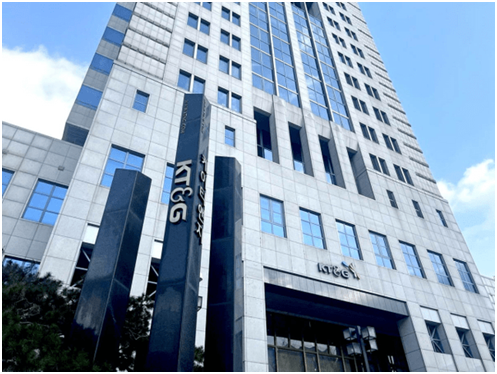
Flashlight Capital Partners (FCP) has built a strong reputation for identifying undervalued assets with growth potential. Their interest in Korea Ginseng Corp. isn’t just a random selection—it’s a well-calculated strategy to tap into a growing sector that combines traditional health benefits with modern market trends. KGC, with its iconic “CheongKwanJang” brand, is a powerhouse in Korea’s wellness industry, renowned globally for producing high-quality ginseng products.
For Flashlight, this acquisition would provide access to one of the most stable and culturally significant sectors in Korea. With the global wellness market expanding exponentially, the strategic fit between FCP and KGC makes sense from both a growth and investment perspective. Traditional herbal supplements like ginseng are witnessing rising demand worldwide, with consumers becoming increasingly health-conscious.
But beyond financial gain, Flashlight Capital Partners may also be looking at this acquisition as a way to diversify its portfolio by entering the health and wellness space. Unlike volatile industries like tech or entertainment, ginseng and traditional health products provide a stable market, especially in Asia, where the cultural significance of ginseng is deeply rooted.
When a proposal of this magnitude hits the market, it’s essential to understand the scale. 1.9 trillion won is roughly equivalent to $1.6 billion, a staggering figure that reflects not just the monetary value of Korea Ginseng Corp., but also its brand equity and market influence. KGC is not a small player; it holds a dominant position in the ginseng industry and has successfully penetrated global markets, especially in China, Japan, and the United States.
The acquisition would involve Flashlight Capital Partners taking control of KGC’s operations, its vast distribution networks, and its highly valuable intellectual property. For a company like KGC, the investment could fuel further expansion into international markets, funding research and development into new products and innovations in traditional health care.
At the same time, Flashlight would gain a foothold in one of the most promising sectors in Asia. Ginseng’s reputation as a natural remedy for various health issues such as fatigue, immune system support, and cognitive function is well-established, and the brand loyalty surrounding CheongKwanJang offers an immediate customer base for Flashlight to tap into.
The business community, both in Korea and internationally, is watching closely as this deal unfolds. Many view it as a landmark moment that could signal a new wave of mergers and acquisitions (M&A) activity in Korea’s health industry. Korean conglomerates like KGC rarely entertain foreign acquisitions, and this move could open the door for more foreign investment in sectors traditionally dominated by local firms.
On the flip side, some critics are concerned about the potential downsides of such a takeover. Will Flashlight’s involvement lead to operational changes that might dilute the essence of KGC’s heritage? Could it risk alienating loyal customers, especially those who are deeply rooted in Korean culture and view CheongKwanJang as a symbol of national pride?
While these concerns are valid, Flashlight’s history suggests that they are a firm that values strategic growth without disrupting the core values of the companies they invest in. If they maintain KGC’s legacy while fueling its growth potential, this deal could be a win-win for all parties involved.
From KGC’s perspective, the deal offers substantial benefits. First, it provides an influx of capital that could allow the company to accelerate its global expansion. With the health and wellness market showing no signs of slowing down, now is the time for KGC to strengthen its position in international markets. Flashlight’s expertise in scaling businesses globally could be the perfect match to KGC’s vision for growth.
Additionally, this deal could lead to increased investment in research and product development. KGC already boasts a strong product line, but with Flashlight’s backing, the company could delve deeper into the development of new ginseng-based products or even expand into other wellness categories such as herbal supplements or natural cosmetics.
Another potential benefit lies in supply chain optimization. Flashlight Capital Partners, with its financial strength, can help streamline KGC’s operations, enhancing efficiencies that could lead to cost reductions. This would allow KGC to remain competitive on pricing while maintaining its premium status in the market.
Korea’s ginseng industry has a long history, with roots stretching back centuries. For many, ginseng is not just a health supplement, but a cultural symbol with medicinal properties that have been passed down through generations. Korea Ginseng Corp. has been at the forefront of this industry, transforming what was once a traditional herb into a global brand.
In recent years, the ginseng industry has seen rapid modernization. Companies are not just focused on local markets; they are branching out, capitalizing on the worldwide trend of health-conscious consumers. Ginseng’s appeal goes beyond Korea, with China and the United States emerging as key markets due to their large populations and increasing interest in natural remedies.
Flashlight Capital Partners’ proposal to acquire KGC comes at a pivotal moment in this evolution. As the industry continues to grow, international investors are looking for ways to get involved. This proposed acquisition is a sign that ginseng’s reputation and market potential are stronger than ever.

Introduction The global financial markets are facing renewed volatility as the Trump administration announced broader-than-expected reciprocal tariffs. This latest move...

Introduction As the world braces for a new wave of tariffs imposed by former U.S. President Donald Trump, global markets...

Market Overview The Indian equity markets faced a turbulent start in Tuesday’s trade, with both the Nifty 50 and Sensex...

Google AI Model Release : The Next Stage in Google’s Virtual Agent Push Google has taken a bold step in...

Ferrari earnings growth 2025 Shares Pop 8% as Luxury Carmaker Sees Further Earnings Growth Ferrari earnings growth 2025 , the...
How China’s DeepSeek Benefits for India: A New Era of Technological Synergy China’s advanced technological solutions, like DeepSeek, have been...