
Diplomatic Voices Unite in Support of Palestinian Recognition
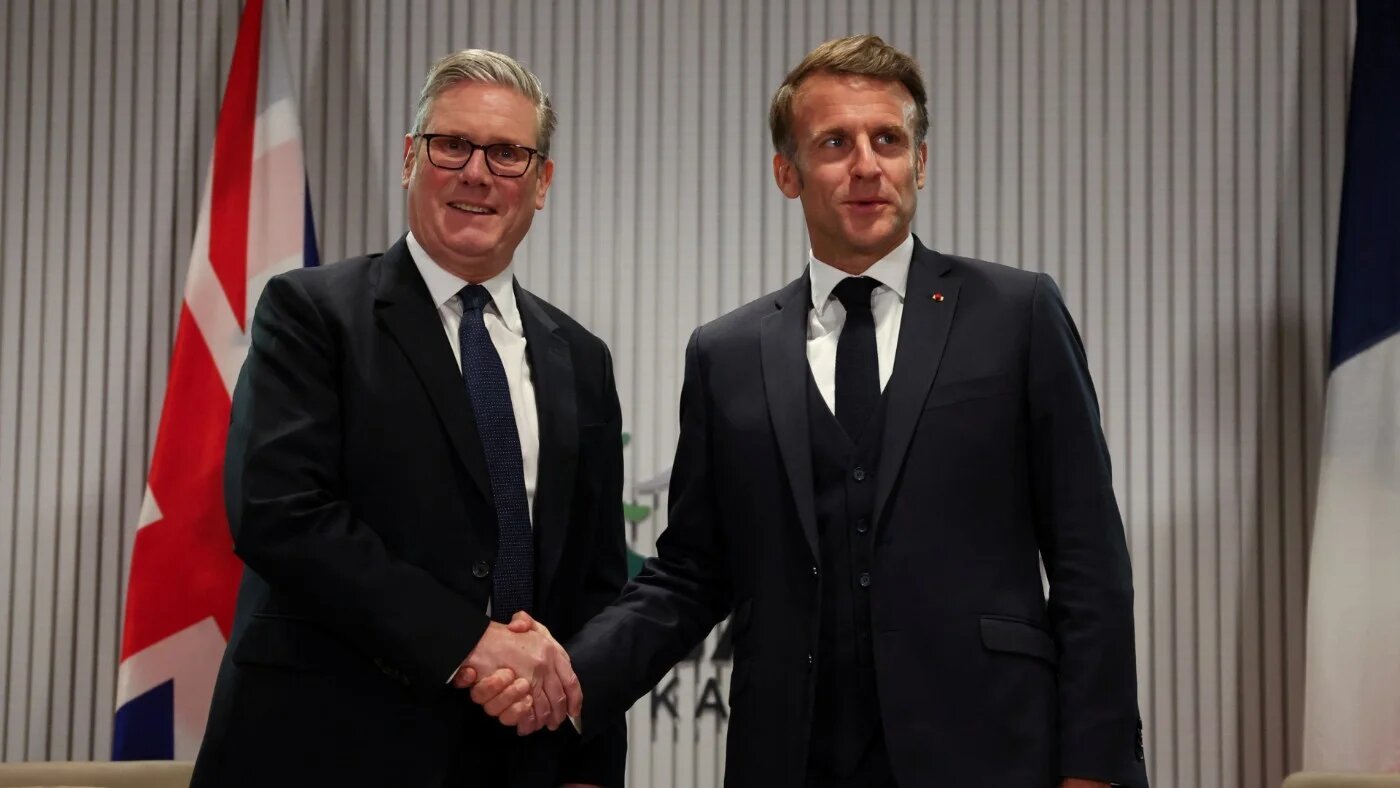
A coalition of 26 distinguished former British diplomats has penned a compelling open letter, calling on UK Prime Minister Keir Starmer and French President Emmanuel Macron to officially recognise the State of Palestine. The letter, published in The Times newspaper, urges both leaders to take a definitive stand in favour of Palestinian sovereignty — a move the signatories believe is long overdue and critical for achieving a just and lasting peace in the Middle East.
The former diplomats argue that recognising Palestine would not only reflect moral and legal responsibility but also contribute meaningfully to the two-state solution — a vision that has long been endorsed by the international community, yet remains frustratingly elusive due to continued geopolitical deadlock.
High-Profile Signatories with Deep Regional Experience
Among the notable figures who signed the letter are individuals with extensive experience in Middle Eastern diplomacy. Sir Dominick Chilcott, who has served as the UK ambassador to Turkey and Iran, is one of the leading voices behind the appeal. He is joined by Peter Millett, a former ambassador to Libya and Jordan, and Lord Andrew Green of Deddington, who held posts in Syria and Saudi Arabia.
The depth of regional knowledge among the signatories lends considerable weight to their appeal. These are individuals who have spent decades navigating the complex socio-political terrain of the Middle East and who understand firsthand the consequences of continued stalemate and occupation.
A Message Overlooked Amid Headlines
Despite the gravity of the message, the letter’s publication was somewhat overshadowed. While it appeared in The Times on Monday morning, the main headline on the letters page online focused on an unrelated topic — how “tech-free ‘cloisters’ can help young minds.” This editorial choice may have reduced the visibility of the diplomats’ urgent plea, but it has not diminished its importance among political observers and advocates for Palestinian rights.
More than Symbolism: A Strategic Call to Action
The former ambassadors emphasise that their call is not merely symbolic. They argue that formal recognition of Palestine as a state would carry significant political weight, particularly coming from two of the European Union’s most influential nations — France and the United Kingdom. By doing so, Starmer and Macron could shift the diplomatic momentum and pressure other Western governments to reassess their stances on the Israeli-Palestinian conflict.
“We believe that recognising Palestine is essential for reinforcing the principle of equal rights,” the letter states. “Without such recognition, the international community risks perpetuating a system of inequality that undermines peace efforts.”
Expanded List of Distinguished Diplomats
In addition to Chilcott, Millett, and Green, the letter was also endorsed by Sir William Patey, former British ambassador to Afghanistan and Saudi Arabia. Also signing were three former UK ambassadors to the United Nations: Peter Jenkins, Sir Jeremy Greenstock, and Lord David Hannay. Their collective experience in multilateral diplomacy gives further legitimacy to the proposal.
Sir Jeremy Greenstock, for instance, has long been a vocal advocate for a fair and balanced approach to Middle East policy. As the UK’s former permanent representative to the UN during the early 2000s, he witnessed several critical phases of the Israel-Palestine conflict from a global governance perspective.
A New Political Context Under Starmer
The letter arrives at a particularly significant political moment. Keir Starmer recently assumed office as Prime Minister of the United Kingdom following a Labour landslide victory in the 2025 general election. During the campaign, Labour promised a foreign policy grounded in “justice, security, and international cooperation.” The former diplomats are clearly seeking to hold the new government accountable to those promises.
Labour’s stance on the Israel-Palestine issue has evolved in recent years, especially after growing public pressure and the global reaction to the war in Gaza. The letter urges Starmer to align the UK’s diplomatic posture with its stated values and to support Palestinians in their pursuit of national self-determination.
France’s Role in the Diplomatic Equation
Similarly, President Emmanuel Macron is being asked to reevaluate France’s position. France has traditionally supported a two-state solution, but it has stopped short of unilaterally recognising Palestine. The letter calls on Macron to move beyond rhetorical support and adopt a more assertive stance, especially in the context of mounting civilian casualties and deteriorating humanitarian conditions in Gaza and the West Bank.
Macron, who has positioned himself as a global leader on diplomacy and human rights, now faces pressure from both domestic constituencies and international allies to demonstrate consistency in his foreign policy.
Broader Implications for European and Global Diplomacy
If the UK and France were to recognise the Palestinian state, it could signal a broader shift in European policy. Other countries within the EU, such as Spain, Ireland, and Norway, have recently moved toward official recognition. A coordinated effort by London and Paris could therefore serve as a catalyst for a unified European stance, thereby increasing pressure on Israel to return to the negotiating table.
Furthermore, such a move could strengthen Palestinian leadership’s credibility and restore hope among a population that has endured decades of displacement, military occupation, and political fragmentation.