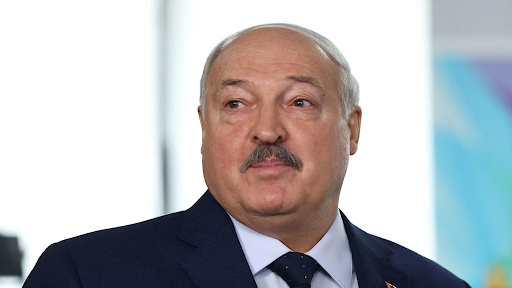
Alexander Lukashenko: A Controversial Leader
Known as ” Europe’s last dictator ,” Alexander Lukashenko has ruled Belarus with an iron fist since 1994 . His long-standing tenure has been marked by allegations of authoritarianism , media censorship , and suppression of dissent . Despite these criticisms , he has consistently maintained strong domestic support , particularly among older and rural populations who credit him for stability and economic security .
However , critics argue that his grip on power has been bolstered by manipulating elections, silencing opposition, and stifling free speech . This latest election is no exception , as international watchdogs have reported numerous irregularities that raise questions about its legitimacy .
The Election Results : An Unprecedented 88% Victory
The official results announced by Belarus ’ Central Election Commission (CEC) show Lukashenko securing a massive 88% of the vote . His closest rival, opposition leader Alina Kovalevskaya , reportedly garnered less than 10% . While these figures paint a picture of overwhelming support , they have been met with widespread skepticism .
Critics highlight the following key issues :
- Absence of Independent Monitors: Independent election observers were largely absent , leading to accusations of manipulation and fraud .
- Media Bias : State-controlled media heavily favored Lukashenko, marginalizing opposition voices .
- Voter Suppression : Opposition candidates have alleged that their supporters were harassed, intimidated , or prevented from voting .
- In response to these allegations , Western nations , including the United States , the European Union, and the United Kingdom , have refused to recognize the election results as legitimate .
Western Criticism: A Sham Election?
The international response to the election has been swift and damning . The United States issued a statement calling the election a ” sham “ and denounced the lack of democratic principles . The European Union has threatened to impose additional sanctions on Belarus, citing violations of human rights and democratic norms .
Key reactions include :
- US Secretary of State Antony Blinken labeled the election an affront to the Belarusian people and democracy itself .
- The EU Commission described the results as neither free nor fair and emphasized its support for Belarusian civil society .
- International watchdogs such as Amnesty International have also condemned the election , citing escalating political repression in Belarus .
Domestic Reactions : Growing Protests and Opposition
While Lukashenko ’s government celebrates the victory , the Belarusian streets tell a different story . Massive protests have erupted in Minsk and other major cities, with thousands of people chanting slogans like Freedom for Belarus ! and ” Stop the dictator !
Opposition leaders , many of whom are exiled or imprisoned, have called for an international investigation into election fraud . Ordinary citizens , frustrated with years of repression , are now risking their safety to demand change . The government’s response has been swift and brutal, with reports of mass arrests, police violence , and internet blackouts aimed at silencing dissent .
Why This Election Matters Globally
The controversy surrounding this election has far-reaching implications . It highlights the ongoing struggle between authoritarianism and democracy in Eastern Europe , a region that has long been a geopolitical battleground between Russia and the West .
Geopolitical dynamics at play :
- Belarus is a close ally of Russia , and any destabilization in the region could impact Moscow’s strategic interests .
- Western nations see the situation as a litmus test for their commitment to democratic values and human rights .
- The election also serves as a stark reminder of the challenges faced by opposition movements in repressive regimes .
- Can the Opposition Prevail?
Despite the challenges, the Belarusian opposition remains resilient . Leaders like Sviatlana Tsikhanouskaya , who ran against Lukashenko in the previous election , continue to garner international support . Organizations like the Belarusian Coordination Council are working tirelessly to unite opposition forces and pressure the regime .
However, their success largely depends on several factors :
- International Support : Will the West increase sanctions or provide material aid to opposition groups ?
- Grassroots Mobilization : Can the protests sustain momentum despite government crackdowns ?
- Russia’s Role : Will Moscow continue to back Lukashenko , or will it seek a more moderate alternative ?
The Road Ahead for Belarus
Belarus now stands at a crossroads . Lukashenko’s 88% victory, while officially confirmed, has left the country more divided than ever . Will the president tighten his grip on power , or will the growing unrest force meaningful change ?
The West faces its own dilemma: how to support the Belarusian people without further antagonizing Russia or escalating the conflict . Meanwhile , ordinary Belarusians must navigate a political landscape fraught with uncertainty , as they continue their fight for a brighter future .