
A Long-Awaited Review
After more than seven decades, the Malaysian government is undertaking a significant review of the Aboriginal Peoples Act 1954 (Act 134). This historic piece of legislation, which governs the rights and welfare of Malaysia’s indigenous Orang Asli communities, is finally being reassessed to better reflect current social, economic, and cultural realities. The move has gained momentum with the government considering elements from New Zealand’s Maori empowerment model, which is widely respected for its indigenous inclusion and progressive land rights.
Leadership’s Commitment to Indigenous Advancement
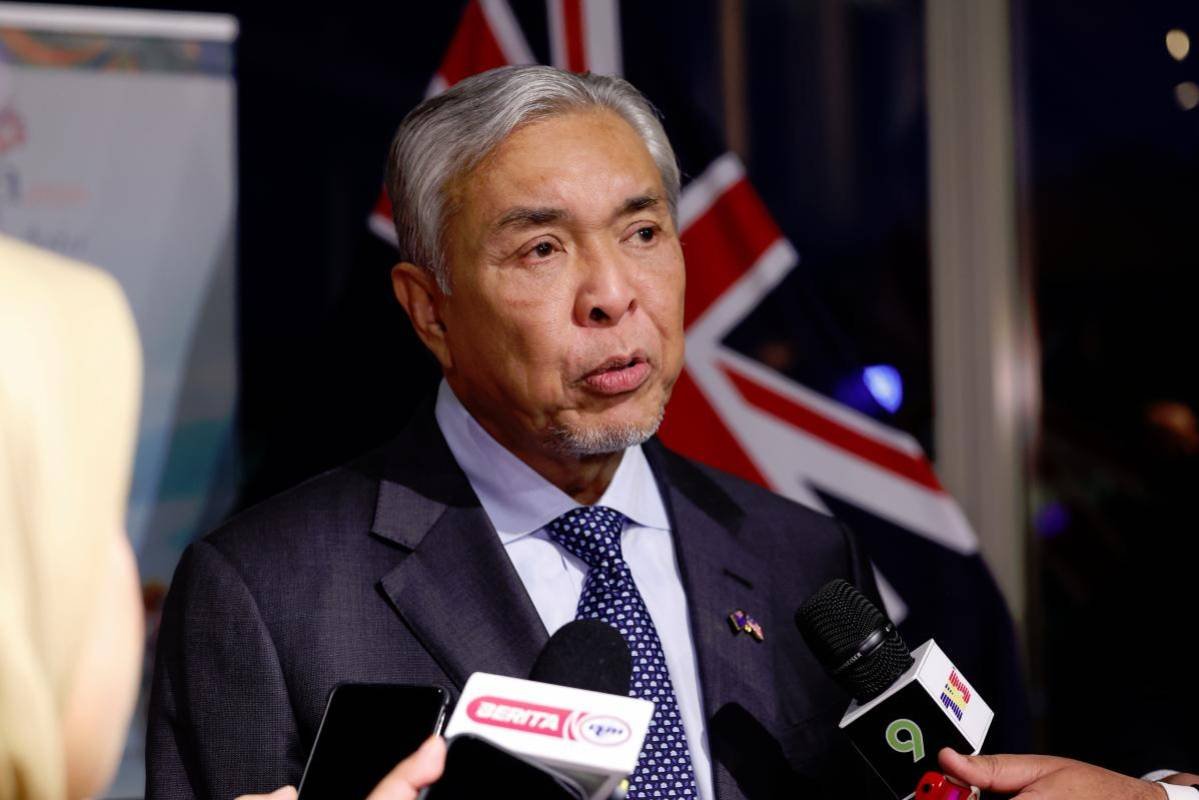
Deputy Prime Minister Datuk Seri Dr Ahmad Zahid Hamidi announced that the review will focus on key areas that have remained outdated and ineffective in empowering the indigenous population. Speaking at a national forum on indigenous rights, Ahmad Zahid acknowledged that Act 134 was crafted in a different era and must evolve to remain relevant in today’s Malaysia.
“This Act 134 is 71 years old, and many aspects need to be re-examined,” Zahid said. “It is time to address long-standing gaps, especially in land rights, education, and socio-economic inclusion.”
Learning from the Maori Experience
The inspiration to adopt parts of New Zealand’s Maori empowerment framework comes from the Maori community’s relatively successful integration into national policies without compromising their cultural identity. Malaysia is looking closely at how the Maori have secured land ownership rights, educational equity, and business empowerment, often in partnership with government institutions.
Zahid emphasized that while Malaysia cannot adopt the Maori model wholesale due to contextual differences, there are principles and strategies that could be localized.
“New Zealand’s approach offers valuable lessons, especially in recognizing the unique position of indigenous people in national development,” he added.
Focus Areas of Reform
The government has outlined three primary focus areas in the reform of the Aboriginal Peoples Act:
1. Secure Land Ownership for the Orang Asli
One of the most contentious issues has been the lack of legally recognized land rights for the Orang Asli. Under the current Act, land occupied by indigenous communities can be gazetted as “Aboriginal Reserves,” but these lands do not offer full ownership or permanent tenure. This has often led to forced evictions, encroachments, and disputes with developers and state authorities.
The Maori model, which involves returning ancestral lands or offering compensation and joint ownership schemes, is being considered as a possible blueprint for future land reforms in Malaysia.
2. Improving Access to Quality Education
Despite numerous government initiatives, many Orang Asli children continue to face barriers in accessing quality education, including distance from schools, language challenges, and cultural disconnects. The government is studying how Maori language immersion schools and culturally tailored curricula have helped improve Maori educational outcomes.
Malaysia may introduce community-based schools, indigenous teacher training programs, and scholarship schemes to better support Orang Asli students.
3. Supporting Indigenous Entrepreneurs
The third pillar of the reform involves the economic empowerment of indigenous entrepreneurs. Ahmad Zahid noted that the government intends to allocate more resources for microfinance programs, business training, and market access for Orang Asli enterprises. Lessons will be drawn from Maori-owned businesses that have thrived in sectors like tourism, agriculture, and retail.
Balancing Modernization with Cultural Preservation
While the reforms aim to improve living conditions and economic participation, policymakers are also aware of the need to preserve Orang Asli culture, language, and identity. The government intends to include cultural consultation mechanisms in the drafting of the amended Act to ensure that indigenous voices are heard and respected.
Civil society groups, non-governmental organizations, and Orang Asli representatives are expected to play a key role in shaping these reforms.
A Multi-Stakeholder Approach
The process of amending the Aboriginal Peoples Act will involve inter-agency collaboration, including the Department of Orang Asli Development (JAKOA), the Ministry of Education, the Ministry of Rural and Regional Development, and international indigenous rights experts. A special task force is being set up to study legislative options and recommend concrete changes to the Act.
International observers from the United Nations Permanent Forum on Indigenous Issues have expressed support for Malaysia’s initiative, noting that this could set a positive precedent in Southeast Asia.