McDonald’s E. coli Outbreak Response | BizBlog News

McDonald’s Executives Say E. Coli Outbreak is ‘Behind Us’: What It Means for Customers and Food Safety

McDonald’s, one of the world’s largest fast-food chains, has recently made headlines by announcing that a recent E. coli outbreak is now “behind us.” This declaration comes directly from McDonald’s executives, who are actively reassuring the public that all necessary safety measures have been taken to prevent future incidents. With the food safety of millions in question, customers everywhere are asking: How safe is McDonald’s food now? And what exactly does this announcement mean for fast food lovers?

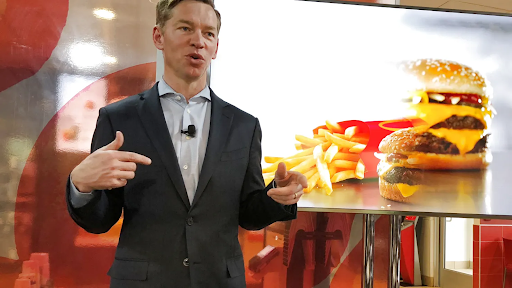
McDonald's executives addressing E. coli outbreak resolution

The E. coli Outbreak: A Brief Overview

coli, a bacterium often found in contaminated food and water, can cause a range of health issues, from mild stomach discomfort to severe complications such as kidney failure. Foodborne outbreaks like these can spread quickly, particularly in high-volume fast-food establishments. As a result, news of the E. coli outbreak involving McDonald’s raised immediate concerns among both customers and food safety advocates.

However, McDonald’s executives have stepped forward, assuring the public that they’ve conducted a thorough investigation and taken concrete steps to eliminate the risk, saying the outbreak is now “behind us.”

What McDonald’s Executives are Saying

In a recent statement, McDonald’s executives emphasized that the company acted swiftly and decisively to address the outbreak, partnering closely with food safety experts and regulators to ensure compliance with rigorous health standards. According to these executives, McDonald’s is committed to transparency and to keeping customers informed about steps taken to prevent any recurrence.

Executives highlighted that new safety protocols are in place, and staff training has been enhanced to ensure that every part of the food preparation and delivery process meets strict hygiene standards. They also stressed that the outbreak was an isolated incident and, thanks to their prompt action, is now fully resolved.

Enhanced Safety Protocols to Prevent Future Outbreaks

McDonald’s has reportedly updated its food handling and preparation protocols, with special attention given to:

  • Stricter Quality Control: Freshness and quality checks are now more frequent to reduce the risk of contaminated food reaching customers.
  • Enhanced Staff Training: Employees have undergone additional training in hygiene, food safety practices, and handling procedures.
  • Supplier Audits: McDonald’s has increased audits and checks for its suppliers to ensure that ingredients meet higher safety and quality standards.

These changes are meant to reassure customers that McDonald’s is serious about food safety, aiming to prevent any potential risks from slipping through the cracks.

The Impact on Customer Trust and Loyalty

While it’s essential for fast-food chains to prioritize safety, the public response to outbreaks like this can have lasting effects. McDonald’s has always been a household name, known for its consistency and quality, yet incidents like an E. coli outbreak can shake customer confidence. By declaring the outbreak “behind us” and highlighting its proactive response, McDonald’s is working to rebuild trust with its customers.

Many regular patrons will likely find reassurance in the company’s efforts, especially as these measures become more widely communicated. Additionally, McDonald’s move to go public with its safety improvements rather than remaining silent underscores its commitment to customer transparency and corporate responsibility.

What Customers Can Expect Moving Forward

For customers who are still concerned about food safety, McDonald’s announcement is likely a positive step. The enhanced safety protocols, increased staff training, and supplier audits are all part of a broader strategy to ensure food safety remains a top priority. Going forward, patrons can expect:

  • Consistent Communication: McDonald’s has promised to maintain transparency with its customers, providing updates if new issues arise.
  • Improved Hygiene Practices: Every part of the food preparation process, from kitchen to counter, is under new hygiene standards.
  • Continued Partnership with Food Safety Experts: McDonald’s executives have assured the public of their close collaboration with food safety authorities to stay ahead of any potential risks.

E. coli and Foodborne Illness: What to Know

coli is a bacterium typically found in raw foods, unpasteurized milk, and undercooked meat. In severe cases, it can cause symptoms ranging from diarrhea and abdominal pain to more severe health complications, especially in vulnerable individuals like children and the elderly.

For those concerned about E. coli contamination, a few simple steps can help reduce risk:

  1. Choose Well-Cooked Foods: Always opt for fully cooked menu items and avoid raw or undercooked options.
  2. Wash Your Hands: Before eating, especially in public spaces, wash your hands to minimize germ exposure.
  3. Stay Informed: Follow updates from reputable sources on food safety and outbreaks.

By being aware of potential risks and taking simple safety steps, customers can help protect themselves and make informed choices about their meals.

How McDonald’s Plans to Rebuild Trust After the Outbreak

While McDonald’s executives have announced that the E. coli outbreak is “behind us,” rebuilding trust takes time and transparency. The company’s proactive approach is a step in the right direction, but ongoing communication and visible actions are key to re-establishing confidence among customers.

To continue fostering trust, McDonald’s has hinted at several ongoing commitments:

  • Regular Public Updates: Sharing regular safety and quality updates with the public.
  • Continuous Improvement: Committing to revisiting and revising safety practices as needed.
  • Customer Feedback: Encouraging customers to share their concerns so McDonald’s can address issues promptly.
UseFull Links
  • Marketing
Load More

End of Content.

UseFull Links
  • Technology
Load More

End of Content.