Nissan-Honda Merger: Potential Impact on the Auto Industry | BizBlog News

What a Game-Changing Nissan-Honda Merger Could Mean for the Auto Industry

nissan-honda-merger-auto-industry-impact

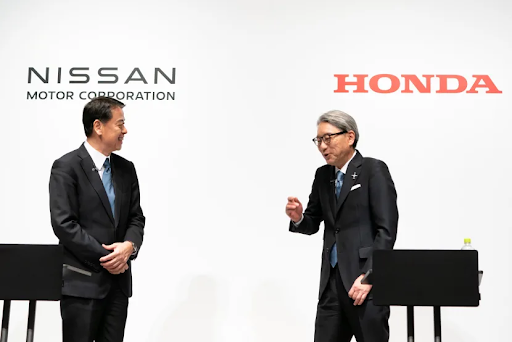
The automotive world runs on competition and innovation . But a proposed merger between two giants, Nissan and Honda, could upset the old applecart . While the two companies have taken two distinct paths in the global automotive market , their coming together could revolutionize technological development, manufacturing processes , and the global competitive landscape . This potential union would redefine the future of transportation and create ripples beyond corporate boardrooms .

The Strategic Potential of a Nissan-Honda Merger

Both Nissan and Honda have positioned themselves as industry leaders in their niche markets . Nissan is well-known for its innovative electric vehicle technology , especially in the Nissan Leaf , as well as its history in mass-market vehicles. In contrast , Honda has better hybrid technology and is known for engineering excellence. Synergies from these strengths can build an automotive powerhouse to solve modern challenges of sustainability , affordability, and consumer preference .

Reshaping the Competitive Landscape

Such a massive merger would likely shift the competitive balance in the auto industry around the world. Merging resources would allow them to cut costs, streamline their production processes , and increase research and development . It could pit them directly against the leaders of the auto industry , such as Toyota and Tesla . The merger could lead to unparalleled innovation, challenging the dominance of the traditional players and emerging EV manufacturers .

Driving Sustainability and Electrification Goals

The automotive sector is under intense pressure to shift towards sustainable practices . A merger between Nissan and Honda could expedite the development of eco friendly vehicles , leveraging Nissan ‘ s expertise in EVs and Honda’s dominance in hybrid technologies . This partnership would make them a force to be reckoned with in the clean energy space, setting benchmarks for reducing emissions while meeting global regulatory demands .

Revolutionizing Manufacturing Processes

The manufacturing consolidation is yet another key aspect of this merger . Shared production facilities, supply chains, and technologies would lead to the minimization of waste , with enhanced efficiency . Together, with Honda’s dominance in modular manufacturing and Nissan’s history of scaling, they might roll out their vehicles at a faster rate , at a lower price to consumers .

Expanding Market Reach and Global Presence

Nissan and Honda have each strongholds in different regions—Nissan with its dominance in the U.S . and European markets and Honda’s in Asia . Taken together , they could well exploit those regional advantages toward creating an entity that really is truly global and poised to cater to the most diverse customers around the globe . Under a unified approach to marketing and distribution , it would stand to deliver unprecedented scale that would enable broader market penetration .

Fostering Innovation and Advanced Technology Development

The merger could be the spark for an automotive innovation renaissance . Combining their resources , Nissan and Honda could lead in the development of cutting-edge technologies such as autonomous driving systems , advanced battery solutions , and integrated connectivity . Pooling intellectual property and engineering talent would allow them to compete with tech focused rivals while driving down development costs .

Impact on Consumers and Pricing Dynamics

Consumers will be highly benefited from this proposed merger . A streamlined production process could bring down the prices of vehicles , while shared innovations could lead to improved safety , performance, and efficiency . Buyers will have a wider range of vehicles with the best features of Nissan and Honda’s existing lineups .

Challenges and Risks of the Merger

Although there is an apparent benefit to this merger , there are always risks involved . Integrating two different corporate cultures is going to be difficult . The regulatory scrutiny will certainly delay or derail the process . It would be a bit challenging to find a balance in unique strengths of both brands and then maintaining individual identities . Still, if done right , these challenges could turn out to be opportunities for growth and collaboration .

Boosting Supply Chain Resilience

The global automotive supply chain has been strained lately due to disruptions like the semiconductor shortage . A Nissan Honda merger would enhance supply chain resilience through procurement consolidation and closer relationships with suppliers . This would ensure steady production even in the face of external challenges .

Implications for the Broader Auto Industry

This scale of a merger would certainly influence other car manufacturers ‘ strategies . Other players may have to reconsider their alliances, invest in new technologies , or even attempt similar mergers in order to stay competitive . In this way, the whole industry would become more dynamic because of increased collaboration and competition .

Enhancing Customer Experience through Unified Services

It will make beyond vehicle integration more dramatic in changing the customer experience . Integrated services could emerge , such as subscription-based ownership models, shared mobility solutions, and advanced telematics . This will definitely promote customer satisfaction and loyalty .

Aligning with Global Environmental Goals

It happens to be aligned with international efforts to reduce climate change. Pooling their experience , Nissan and Honda might be able to bring groundbreaking solutions that will support global carbon neutrality . Their alliance can serve as a new model for corporate responsibility in the auto industry .

UseFull Links
  • Marketing
Load More

End of Content.

UseFull Links
  • Technology
Load More

End of Content.