NPS Vatsalya vs Long-term Equity Funds vs Children MFs: In Which Segment Will You Get Maximum Returns?

NPS Vatsalya vs Long-term Equity Funds vs Children MFs: In Which Segment Will You Get Maximum Returns?

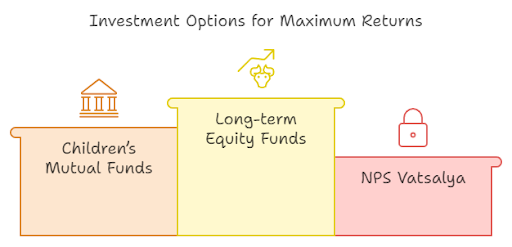
Financial planning for the future, especially for your children’s well-being, involves making key decisions about where to invest. As a parent or guardian, you may be considering three major options: NPS Vatsalya, Long-term Equity Funds, and Children’s Mutual Funds (MFs). Each of these options offers unique benefits, but the ultimate question is: where will you get the maximum returns?

In this comparison, we’ll dive into each of these investment vehicles, their benefits, risks, and overall potential for growth. By the end of this blog, you should have a clearer understanding of which option could be the most profitable for your financial goals.

What is NPS Vatsalya?

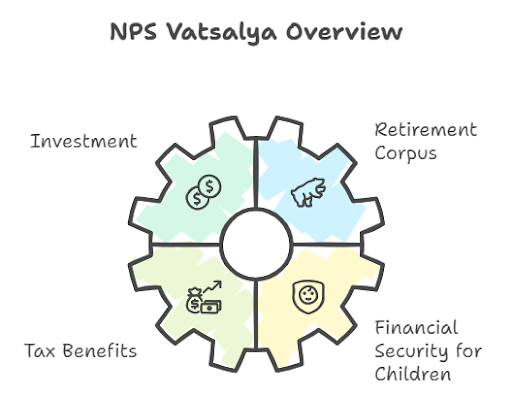
NPS (National Pension Scheme) Vatsalya is a pension scheme designed for parents looking to invest in their children’s future financial security. It is a relatively new segment in the Indian pension system, focusing on securing long-term savings for parents with added tax benefits.

This investment tool is primarily aimed at accumulating a retirement corpus, but it also provides a safety net for those who want to ensure their children are financially supported in their later years. With tax-saving advantages under Sections 80C and 80CCD, NPS Vatsalya offers more than just wealth generation.

What is NPS Vatsalya?

NPS (National Pension Scheme) Vatsalya is a pension scheme designed for parents looking to invest in their children’s future financial security. It is a relatively new segment in the Indian pension system, focusing on securing long-term savings for parents with added tax benefits.

This investment tool is primarily aimed at accumulating a retirement corpus, but it also provides a safety net for those who want to ensure their children are financially supported in their later years. With tax-saving advantages under Sections 80C and 80CCD, NPS Vatsalya offers more than just wealth generation.

nps-vatsalya-vs-long-term-equity-funds-vs-children-mfs

Key Features of NPS Vatsalya:

  • Low Risk: Compared to equity-based investments, NPS Vatsalya is a low-risk option, since it largely focuses on debt instruments like government bonds.
  • Tax Benefits: You can claim deductions of up to ₹1.5 lakh under Section 80C, along with an additional ₹50,000 under Section 80CCD(1B).
  • Steady Returns: While the returns are stable, they tend to be lower compared to equity-based investments due to their conservative nature.


However, NPS Vatsalya is not known for rapid growth. It’s an option more suited for conservative investors looking for steady income post-retirement, rather than parents aiming for high returns for their children’s future education or other financial needs.

What Are Long-term Equity Funds?

Long-term equity funds, often referred to as ELSS (Equity-Linked Savings Schemes), focus on investing in equity markets for wealth creation over an extended period. These funds come with a higher degree of risk due to the inherent volatility of stock markets but offer the potential for much higher returns.

These funds are generally suitable for investors with a long-term horizon (5 years or more), allowing them to benefit from compounding returns and market growth.

Key Features of Long-term Equity Funds:

  • High Returns: Equity markets have historically provided returns in the range of 10%-15% over the long term, depending on market performance.
  • Tax Benefits: Like NPS Vatsalya, investments in ELSS are eligible for tax deductions of up to ₹1.5 lakh under Section 80C.
  • Liquidity: ELSS has a lock-in period of three years, which is the shortest among tax-saving investment options. After this period, you can withdraw or continue holding the investment, depending on market conditions.


For parents or guardians with a higher risk appetite and longer investment horizon, long-term equity funds can offer substantial returns, especially for long-term goals like higher education or weddings. However, the volatility of equity markets means there’s no guaranteed return, and the capital can fluctuate over time.

Understanding Children’s Mutual Funds (MFs)

Children’s Mutual Funds are specifically designed to help parents build a corpus for their child’s future, focusing on long-term goals like education, marriage, or other significant expenses. These funds are typically hybrid in nature, blending equity and debt instruments to balance both risk and growth potential.

  • While equity-driven children’s MFs have higher risk, the inclusion of debt components tempers this risk, making them a balanced choice for many investors.

    Key Features of Children’s MFs:

    • Balanced Risk: These funds usually have a mix of equity and debt, providing a blend of high-return potential with some stability.
    • Lock-in Period: Similar to ELSS, children’s MFs often come with a lock-in period, ensuring that funds are preserved for the intended purpose.
    • Goal-based Investment: These funds are structured around specific future goals for your child, such as education, helping you stay focused on long-term planning.

    Children’s MFs are an excellent option for parents seeking a middle ground between safety and return potential. They are more flexible than NPS Vatsalya but less risky than pure equity funds, providing a solid option for moderate risk-takers.


Conclusion: Where Will You Get Maximum Returns?

Choosing between NPS Vatsalya, Long-term Equity Funds, and Children’s MFs depends on your financial goals, risk tolerance, and investment horizon.

  • NPS Vatsalya is ideal for conservative investors focused on long-term stability and retirement planning. Its returns are steady but not suited for those looking to grow wealth rapidly for their children’s future.
  • Long-term Equity Funds are best for those with a high-risk tolerance and a long investment horizon. They offer the highest potential returns but come with market risks.
  • Children’s MFs provide a balanced approach, offering both safety and growth potential, making them a good option for parents who want moderate returns without extreme volatility.


Ultimately, if your goal is maximum returns, long-term equity funds will likely outperform the other two options. However, if you prioritize safety and a guaranteed corpus, then NPS Vatsalya or Children’s MFs may be more suitable. Diversifying your investments across these segments could also offer a good balance between growth and security.


  • Education
Load More

End of Content.

UseFull Links
  • Marketing
Load More

End of Content.