
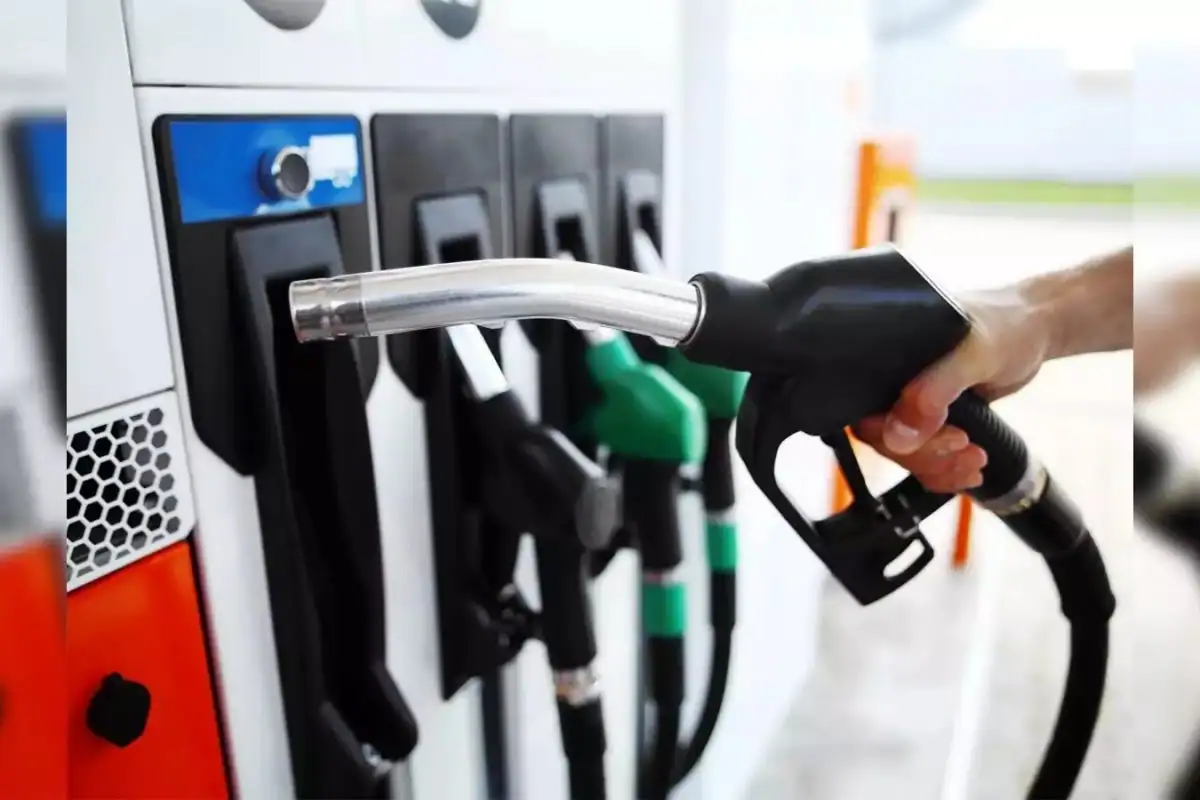
Fuel prices in India are closely watched by millions of citizens as they directly impact household expenses, transportation costs, and inflation. On June 12, 2025, state-run oil companies released the latest retail prices for petrol and diesel across the country. While the global crude oil market remains relatively stable, retail prices in India vary based on local taxes, transportation charges, and VAT imposed by state governments.
Here’s a detailed overview of today’s fuel prices and factors influencing these fluctuations.
No Major Fluctuations in National Average
As of June 12, there have been no significant nationwide price changes in petrol and diesel. However, state-wise variations continue due to differing VAT rates and state levies.
In metro cities such as Delhi, Mumbai, Chennai, and Kolkata, prices remain mostly unchanged from previous trends. Consumers in Bengaluru, Hyderabad, and Lucknow also noticed stable fuel costs compared to earlier weeks.
Why Fuel Prices Vary Across Indian States
Fuel pricing in India operates under a dynamic pricing mechanism introduced in 2017. This means petrol and diesel rates are revised daily, taking into account:
-
International crude oil prices
-
Exchange rate fluctuations (INR vs USD)
-
Base price set by OMCs (Oil Marketing Companies)
-
Central excise duty
-
State VAT and other levies
For example, Maharashtra and Rajasthan tend to have higher fuel prices due to elevated VAT rates, while states like Goa and Uttar Pradesh enjoy relatively lower prices due to minimal tax structures.
Role of OMCs and Global Markets
India’s major fuel providers—Indian Oil Corporation (IOC), Bharat Petroleum Corporation Ltd (BPCL), and Hindustan Petroleum Corporation Ltd (HPCL)—review and adjust retail prices daily. These adjustments reflect the global crude oil market, where prices of Brent Crude and West Texas Intermediate (WTI) significantly influence domestic pricing.
As of this week, Brent crude hovers around $81 per barrel, reflecting relative stability despite geopolitical concerns in oil-producing regions.
How Citizens Are Coping with Fuel Price Pressure
Despite no major hike today, many consumers remain cautious. Fluctuating fuel prices continue to impact transportation costs, cab fares, and commodity prices, indirectly affecting household budgets.
In response, many urban dwellers are turning toward:
-
Electric Vehicles (EVs)
-
Carpooling and ridesharing
-
Public transport
-
Fuel-efficient driving practices
Government Measures and Tax Outlook
So far, the government has not made any fresh announcements regarding fuel tax reduction. Earlier, there were discussions about rationalizing excise duty and VAT structures, but no final policy has been implemented. Any future intervention will likely depend on global oil trends and inflationary pressures.
With general elections on the horizon, fuel prices may become a political talking point, especially in states with high urban vehicle dependency.