Rachel Reeves Proposes £40bn in Tax Rises and Spending Cuts | BizBlog News

Rachel Reeves Eyeing £40bn in Tax Rises and Spending Cuts: UK Economic Strategy for 2024

In recent UK economic discussions, Rachel Reeves, the shadow chancellor, is reportedly preparing to introduce a challenging combination of tax increases and spending reductions to tackle the nation’s growing fiscal concerns. With the economy under strain due to inflation, slow growth, and post-pandemic recovery efforts, this potential £40bn adjustment would mark one of the most significant fiscal moves in years. Let’s delve into the intricacies of this proposed strategy and its potential impact on the UK.

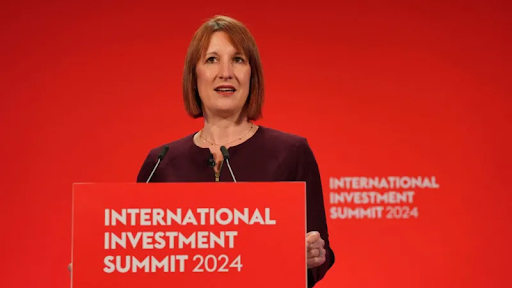
Rachel Reeves proposes £40bn in tax rises and spending cuts in the UK budget plan

The Need for Economic Reform

The UK economy has been under significant pressure, grappling with inflation, slow growth, and the aftereffects of COVID-19. The fiscal deficit continues to rise, pushing the government to take action. Reeves’ potential tax hikes and spending cuts aim to rebalance the books and secure long-term financial stability. This economic adjustment is expected to fund critical areas like healthcare, education, and infrastructure.

However, the strategy is not without controversy. Tax rises may hit businesses and individuals hard, particularly those already feeling the strain of high inflation. Spending cuts could impact public services, stirring debates over the balance between fiscal responsibility and social welfare.

The £40bn Breakdown: Tax Rises and Spending Cuts

Reeves’ plan focuses on generating £40bn, though details about how exactly this figure would be split between tax hikes and spending cuts remain speculative. Key areas likely to be impacted include:

  • Tax increases: These could target corporations, high-income earners, or new forms of levies on capital gains, property, and windfall profits. The goal is to spread the burden while encouraging economic productivity.
  • Spending cuts: Reeves may focus on trimming wasteful spending or cutting down on subsidies and social welfare programs. Such moves could help curb the deficit but risk sparking social unrest.

Political and Public Reactions

Unsurprisingly, news of Reeves’ intentions has sparked debate. Supporters argue that decisive action is necessary to avoid even harsher austerity measures later. They see this as a proactive approach to stabilizing the economy, particularly in light of global uncertainties like the war in Ukraine and persistent inflation.

Critics, however, argue that tax rises could stifle economic growth, reduce consumer spending, and discourage investment. Spending cuts, especially in areas like healthcare and education, are also likely to provoke resistance from unions and the public.

Navigating the Economic Future

Rachel Reeves’ £40bn plan of tax increases and spending cuts will likely set the tone for the UK’s economic future. The path ahead is difficult, balancing the need for fiscal prudence with maintaining essential public services. Whether this strategy will succeed depends on its execution and how it navigates the complex landscape of public opinion and political resistance.

UseFull Links
  • Marketing
Load More

End of Content.

UseFull Links
  • Technology
Load More

End of Content.