
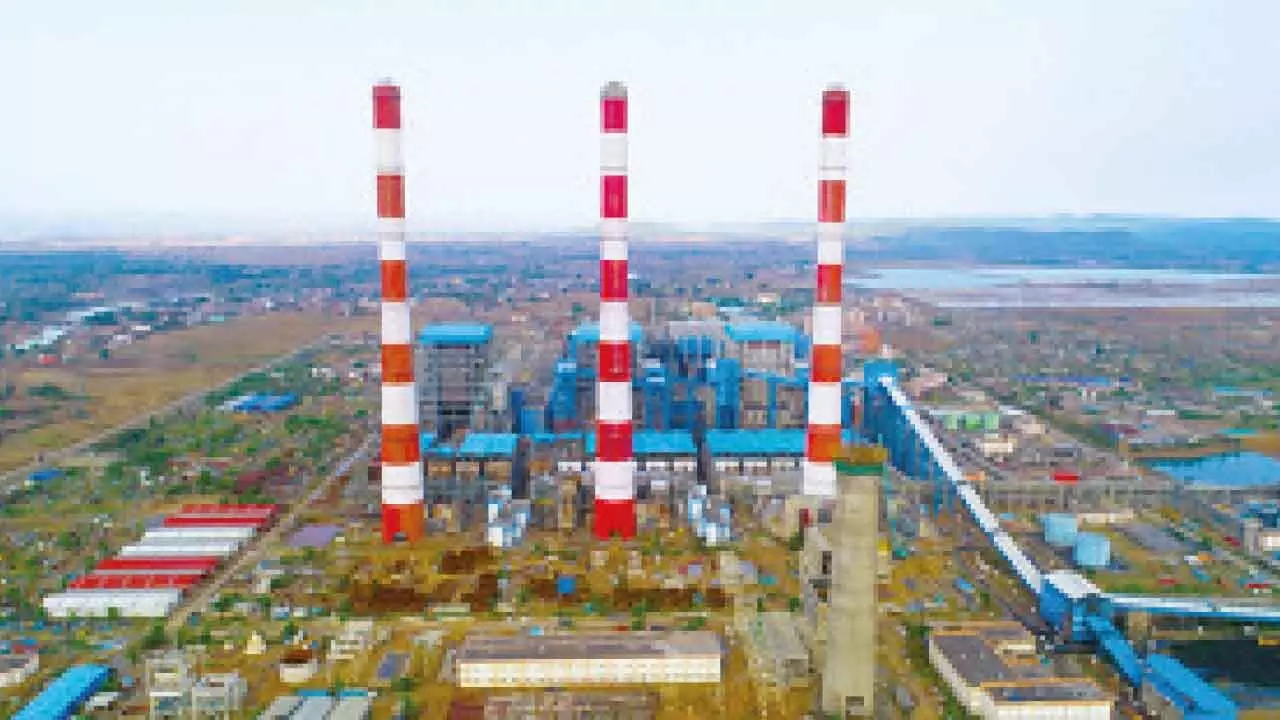
A Surge in Thermal Power Focus
India’s thermal power sector is witnessing a renewed wave of interest and investment. According to a recent report by Crisil Ratings, the total investment in thermal electricity generation capacity is expected to double to ₹2.3 lakh crore over the next three financial years ending FY2028. This marks a significant jump compared to the preceding three years and signals the country’s strategic pivot back toward conventional power sources to ensure energy security and base load support.
Why the Spike in Thermal Investments?
India’s energy demand continues to grow rapidly due to urbanization, industrial growth, digital infrastructure expansion, and rising household consumption. While renewable energy has been a major focus in recent years, thermal energy remains crucial in meeting base load power requirements—particularly during periods of low solar and wind output.
The Crisil Ratings report underlines that the government’s focus on ensuring reliable 24/7 power across all sectors has necessitated a stronger emphasis on thermal capacity in the short to medium term. Despite the global shift towards green energy, thermal power still provides the stability and scale that renewables, as of now, cannot consistently offer.
Investment Comparison: Past vs. Future
Over the last three fiscals (FY2023–FY2025), investments in thermal power projects stood at approximately ₹1.15 lakh crore. During this period, the majority of the investment came from public sector undertakings (PSUs), with private sector participation limited to just 7–8%.
However, this trend is expected to shift dramatically over the upcoming period (FY2026–FY2028), with the total investments projected to double. Crisil’s report highlights that private sector companies are likely to contribute around one-third of the investments, signaling a growing confidence and interest from private players in the thermal segment.
Breakdown of Investment Sources (FY2026–FY2028):
-
Private Sector: ~33% of ₹2.3 lakh crore
-
Public Sector (Central & State PSUs): ~67% of ₹2.3 lakh crore
Government Policy & Thermal Targets
The Indian government has been revisiting its energy mix strategy, especially after several grid strain incidents during peak demand periods. As part of this renewed focus, the government has announced a target of adding at least 80 GW of thermal power capacity by fiscal year 2032.
This addition aligns with India’s broader aim of achieving energy security, while gradually transitioning to a greener mix. Rather than abandoning thermal altogether, the strategy is now centered on coexistence, where fossil fuels support renewables in delivering uninterrupted power.
Key Drivers Behind the Thermal Revival
1. Rising Power Demand
With India’s GDP projected to grow at a robust pace, electricity demand is expected to increase proportionally. Infrastructure, transportation (including EVs), data centers, and smart city projects are energy-intensive sectors fueling this demand.
2. Grid Stability Requirements
Despite large-scale renewable capacity additions, solar and wind power are intermittent sources. Coal-based plants continue to serve as reliable backups for maintaining grid stability, especially during evening hours and cloudy or windless days.
3. Improved Technology & Efficiency
New-age thermal power plants are increasingly incorporating supercritical and ultra-supercritical technologies, which are more efficient and environmentally compliant. These upgrades are making thermal investments more attractive, especially for private players with long-term horizons.
4. Energy Security
With geopolitical tensions and fuel supply uncertainties, having a strong domestic thermal power base ensures India doesn’t overly rely on energy imports, especially during demand spikes or fuel price volatility.
Role of the Private Sector: A Notable Shift
One of the most encouraging aspects of the upcoming thermal expansion is the rising role of private companies. From contributing less than 10% in the recent past, private players are now expected to invest nearly ₹75,000 crore over the next three years.
This could be attributed to:
-
More clarity in policy frameworks.
-
Attractive project returns due to high capacity utilization.
-
Government incentives and push for hybrid models, where renewable and thermal work together.
-
A mature financing ecosystem with improved access to debt and equity.
Balancing the Energy Mix: A Dual Approach
India’s approach now clearly appears to be “renewables + reliable thermal”, rather than an abrupt transition. While solar, wind, and hydro are being aggressively pushed, coal-based power plants will remain a key component of the overall power generation landscape at least through the next decade.
Crisil’s report suggests that synchronized planning and policy support will be crucial to ensure that this investment surge translates into efficient and sustainable outcomes.