
A Bold Economic Move from the White House
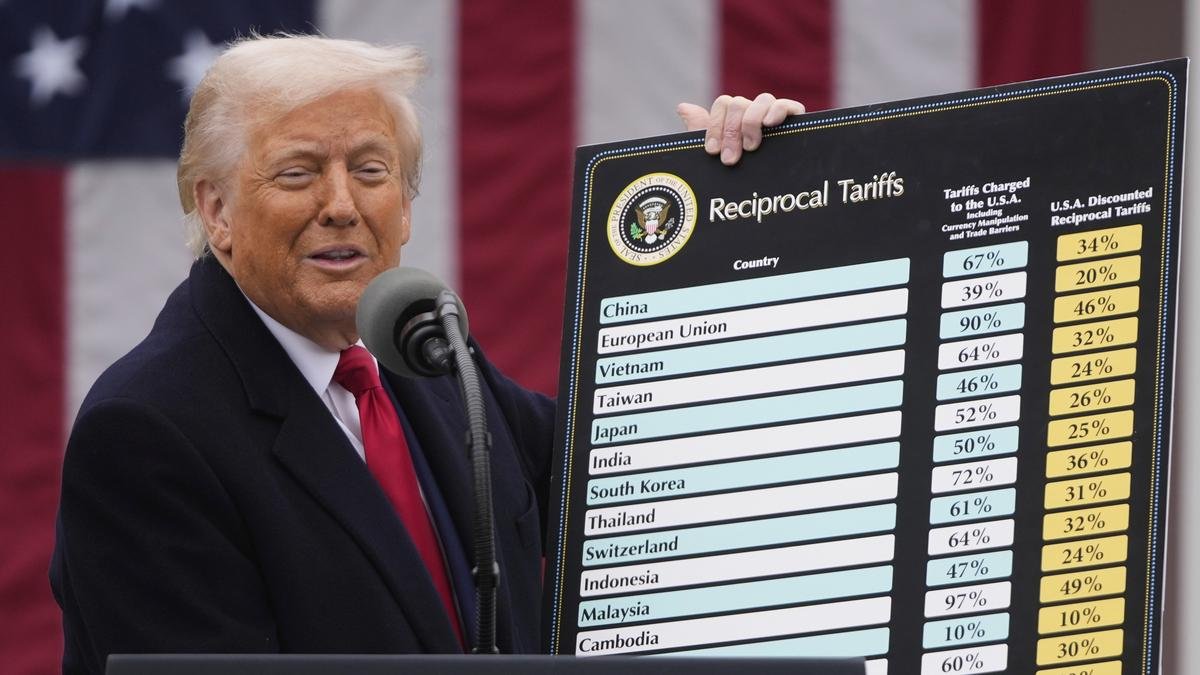
On April 2, 2025, U.S. President Donald Trump made headlines once again by unveiling a new set of reciprocal tariffs during a formal meeting held at the White House. This bold economic strategy aims to recalibrate America’s trade relationships with countries around the world. The tariffs are designed not just as a tool for negotiation, but as a direct response to what Trump considers unfair trade practices that have harmed American industries and workers for decades.
This policy is being touted by the Trump administration as a way to “level the playing field” by imposing the same tariffs on goods from other countries that those nations impose on American exports. In essence, if a country imposes a 20% tariff on U.S. products, the United States will respond by placing a 20% tariff on goods from that country in return.
Targeting Allies and Rivals Alike
What makes this policy especially controversial is that it does not exclude America’s long-standing allies. Countries like Canada, Germany, Japan, and South Korea — all key economic partners of the United States — may find themselves facing stiff tariffs unless their current trade policies are revised. The Trump administration argues that many of these partners have historically taken advantage of America’s relatively open markets while shielding their own industries through high tariffs and regulatory barriers.
In his address, President Trump stated, “The era of one-sided trade is over. For too long, our country has been treated unfairly by nations that enjoy access to American markets without providing equal access in return. That changes today.”
Economic Nationalism at the Forefront
This new set of tariffs is consistent with Trump’s long-standing economic nationalist agenda, which emphasizes protecting American jobs, industries, and manufacturing. The reciprocal tariff model is a marked shift away from traditional free trade principles that have guided U.S. policy for decades. Instead of lowering trade barriers globally, the Trump administration is seeking to use them as leverage to extract better deals for American businesses.
Administration officials claim that the policy is not intended to start trade wars but to bring about “fair and balanced trade.” Critics, however, argue that the approach could disrupt global supply chains, raise prices for American consumers, and strain diplomatic relations.
A Mixed Reaction from the Global Community
The announcement has sent ripples through the international community. Some nations expressed surprise and disappointment at being lumped together with countries known for overtly protectionist policies. The European Union, in particular, released a statement emphasizing its commitment to rules-based trade and warning of the potential for retaliatory measures if its industries are adversely affected.
Asian economic powerhouses like China and Japan are watching the developments closely. While China has long been a central focus of Trump’s trade rhetoric, Japanese officials expressed concern about the impact of reciprocal tariffs on their automobile and electronics industries, which are heavily reliant on the U.S. market.
Business and Industry Respond
Reactions from American industries have been mixed. Some domestic manufacturers and labor unions welcomed the move, hoping it would spur a revival of U.S.-based production and create new job opportunities. “This is exactly what American workers have needed for years,” said a spokesperson for a major steel manufacturing company. “We can’t compete on a global stage if other countries are playing by different rules.”
However, many business groups, especially those involved in international trade, warned of unintended consequences. Retailers and importers fear that higher tariffs could lead to rising costs, which would eventually be passed on to consumers. The U.S. Chamber of Commerce issued a cautious statement, urging the administration to consider the long-term implications of widespread tariff implementation.
Legal and Political Hurdles Ahead
Implementing reciprocal tariffs across the board is likely to face significant legal and logistical challenges. Trade agreements such as those under the World Trade Organization (WTO) and various bilateral deals may limit the scope of what the U.S. can do unilaterally. Experts suggest that if other countries view the new tariffs as violations of international trade rules, disputes and appeals at the WTO may follow.
On the domestic front, Trump may also face pushback from Congress. While some lawmakers in both parties support measures to protect American industries, others are concerned about the broader impact on the economy and international relations. With the 2026 midterm elections on the horizon, the political stakes of this economic move are high.