Ukraine Halts Russian Gas to Europe: Who's Most at Risk | BizBlog News

Ukraine Has Halted Russian Gas Flows to Europe: Here's Who Faces the Greatest Risk

ukraine-halted-russian-gas-flows-to-europe

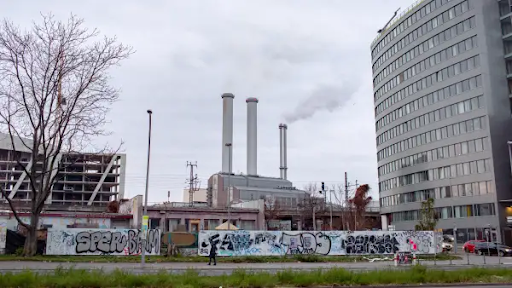
The decision by Ukraine to halt Russian gas flows to Europe has ignited a significant energy crisis . With winter looming , energy dependent countries scramble to secure alternatives , raising concerns about economic stability and geopolitical risks . This article explores the causes of the disruption , the European countries most vulnerable to this gas cut off , and potential solutions .

Why Has Ukraine Halted Russian Gas Flows?

The halt stems from escalating tensions between Ukraine and Russia . As part of ongoing geopolitical conflicts , Ukraine took this step to limit Russian leverage over Europe . This action , however , has left Europe grappling with an energy shortfall as it relies heavily on Russian gas , which historically accounts for nearly 40% of its energy supply .

The Role of Transit Agreements

Ukraine plays a pivotal role in transiting Russian gas to Europe . For decades, agreements between Ukraine , Russia , and European countries ensured the steady flow of gas . However , political instability and security concerns have rendered these agreements fragile .

Who Faces the Greatest Risk?

Germany : The Heart of Industrial Europe

Germany , Europe ’s largest economy, is particularly exposed. With over 50% of its natural gas sourced from Russia , the disruption threatens its manufacturing sector , which relies on consistent energy supplies . Key industries like chemicals , automotive , and steel are already seeing price surges , potentially leading to reduced output .

Italy: Balancing Energy Costs

Italy is another country at high risk . Its dependence on Russian gas for 40% of its energy makes it vulnerable . High energy prices are already burdening households and businesses , with the government seeking alternative energy partnerships in North Africa .

Eastern Europe: Immediate Fallout

Countries like Slovakia , Hungary , and the Czech Republic , historically reliant on Russian gas , face the most immediate impacts . Without adequate storage or diverse suppliers , these nations could experience significant shortages during the cold months .

France and Spain: Lesser Impact but Still Vulnerable

While France and Spain are less dependent on Russian gas , relying more on nuclear and renewable energy , they aren’t immune . Rising energy costs from neighboring countries create ripple effects that strain their economies .

How Are Countries Mitigating the Crisis?

Diversifying Energy Sources

Europe has been actively seeking alternative suppliers. Countries are exploring partnerships with Norway , Algeria , and the U.S . to fill the gap . The development of liquefied natural gas (LNG) terminals has accelerated to enable imports from distant sources .

Increasing Renewable Investments

In the long term , renewable energy offers a sustainable solution . Investments in wind , solar , and hydropower are being fast tracked across Europe to reduce dependency on volatile fossil fuels .

Energy Conservation Measures

Governments are introducing energy saving measures to manage the crisis . Public campaigns encourage reduced heating usage , while industries adopt energy efficient technologies to cope with limited supplies .

The Broader Implications

Economic Ripple Effects

Energy shortages and rising costs impact inflation , slowing economic growth across the Eurozone . Businesses are cutting production , and households are struggling to pay rising utility bills .

Geopolitical Shifts

The crisis underscores the need for Europe to reduce reliance on Russian energy . By diversifying suppliers and investing in renewables , the region seeks to secure its energy independence . The halt also shifts geopolitical alliances , as Europe looks to North America and the Middle East for support .

Can Europe Survive the Winter Without Russian Gas?

Surviving a winter without Russian gas depends on storage levels and alternative supplies . European countries have been filling reserves in preparation , with many nearing 90% capacity . However , a harsh winter or supply chain disruptions could still lead to crises .

UseFull Links
  • Knowledge Sharing
Load More

End of Content.

UseFull Links
  • Technology
Load More

End of Content.