
Introduction The global financial markets are facing renewed volatility as the Trump administration announced broader-than-expected reciprocal tariffs. This latest move...
The global oil market is no stranger to volatility, but the recent surge in U.S. crude oil prices, climbing 2% and approaching $76 per barrel, has captured significant attention. As geopolitical tensions between Israel and Iran escalate, investors are bracing for potential supply disruptions in the Middle East. The anticipation of an Israeli military strike on Iran could lead to heightened instability in one of the world’s most crucial oil-producing regions. This has pushed oil prices higher, signaling uncertainty for the global economy and energy markets alike.
U.S. crude oil has been trading near the $76 per barrel mark, reflecting a sharp 2% jump in prices. This surge is directly tied to fears of a potential conflict between Israel and Iran, which could affect oil supplies from the region. Historically, any disruptions or conflicts in the Middle East send ripples through global oil markets, given the region’s role as a primary oil hub. Even the mere threat of conflict can trigger market reactions as traders try to safeguard against future volatility.
With Iran being a key player in global oil production, any military engagement that impacts its ability to export oil could tighten global supplies. This raises serious concerns over price spikes, especially for countries that heavily depend on oil imports. Additionally, higher oil prices could exacerbate inflationary pressures, something the world economy is already grappling with post-pandemic. It’s not just the U.S. feeling the pressure—oil-importing nations around the globe will have to deal with the ramifications if tensions worsen.
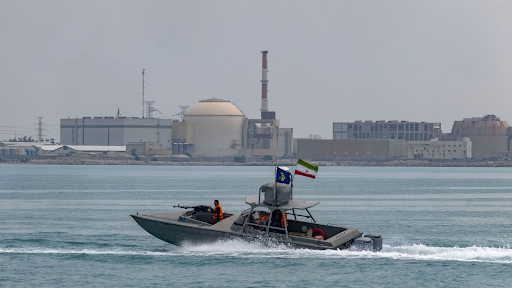
The long-standing tensions between Israel and Iran have once again come to a head. Recently, speculation about an imminent Israeli strike on Iran has grown, fueled by concerns over Iran’s nuclear ambitions and regional influence. Israel, which views a nuclear-armed Iran as an existential threat, has not ruled out a military option. Such a strike could disrupt oil flows from the Persian Gulf, further driving up prices and adding stress to an already volatile market.
The situation remains fluid, but traders are not taking any chances. Geopolitical risks are among the most unpredictable drivers of oil prices, and the Middle East’s instability has historically had a significant impact on energy markets. This is especially true given the region’s key role in global oil supply chains. If hostilities were to escalate, it could lead to prolonged supply shortages, sending prices soaring further.
The fear of supply disruptions is a major reason behind the current spike in U.S. crude oil prices. While the conflict between Israel and Iran is not yet in full swing, the possibility of an escalation has traders and investors preparing for the worst. The oil market often responds to such potential threats long before they become reality, and we’re seeing that play out now.
If a strike occurs, it’s likely that Iran’s ability to export oil would be compromised, particularly through the Strait of Hormuz—a critical chokepoint through which about 20% of the world’s oil passes. Any blockages or disruptions here could cause a ripple effect throughout global markets. Furthermore, the Organization of Petroleum Exporting Countries (OPEC) and its allies, including Russia, may struggle to compensate for the loss of Iranian oil, driving prices even higher.
Investors are approaching the current situation with caution, as geopolitical uncertainty tends to create a “wait and see” attitude. Although there has not been a significant military strike as of now, the market’s sensitivity to geopolitical risks has been magnified by the current political climate. In times like these, traders often hedge their bets by moving capital into oil futures, anticipating that prices will climb in response to tighter supply or military escalation.
The upward pressure on oil prices is not just a response to potential supply chain disruptions but also reflects a broader fear of prolonged conflict in the region. Middle Eastern conflicts historically have a prolonged impact on energy markets, causing volatility for months or even years. Investors, therefore, are looking at both short-term and long-term strategies to manage this uncertainty.
The rise in U.S. crude oil prices has far-reaching implications, not just for energy markets but for the broader economy as well. Higher oil prices tend to lead to increased costs for consumers, as fuel prices rise and businesses face higher transportation and production costs. This often leads to inflationary pressures, which central banks may respond to with tighter monetary policies.
In the U.S., for instance, rising fuel prices could eat into household budgets, leaving less disposable income for other goods and services. Businesses, particularly those reliant on transportation, could see their costs rise significantly. This may lead to higher prices for goods across various sectors, further fueling inflation. Countries that are highly dependent on oil imports, like India and Japan, may also feel the economic sting more acutely, as they struggle with both higher import costs and the knock-on effects on their domestic economies.
The current surge in U.S. crude oil prices may well be a harbinger of future instability in the global oil markets. As tensions between Israel and Iran continue to simmer, oil traders will likely remain on edge, ready to react to any new developments. If the situation escalates, we can expect further price increases, alongside increased volatility in global financial markets. This makes it essential for businesses and consumers alike to stay informed and prepared for potential changes.
While it’s impossible to predict exactly how the situation will unfold, the current price surge serves as a reminder of how interconnected geopolitical events and global markets truly are. As tensions rise, so too will the stakes for the global economy.

Introduction The global financial markets are facing renewed volatility as the Trump administration announced broader-than-expected reciprocal tariffs. This latest move...

Introduction As the world braces for a new wave of tariffs imposed by former U.S. President Donald Trump, global markets...

Market Overview The Indian equity markets faced a turbulent start in Tuesday’s trade, with both the Nifty 50 and Sensex...

Google AI Model Release : The Next Stage in Google’s Virtual Agent Push Google has taken a bold step in...

Ferrari earnings growth 2025 Shares Pop 8% as Luxury Carmaker Sees Further Earnings Growth Ferrari earnings growth 2025 , the...
How China’s DeepSeek Benefits for India: A New Era of Technological Synergy China’s advanced technological solutions, like DeepSeek, have been...