Chinese Automakers, EU Investments to Avoid Tariffs | BizBlog News

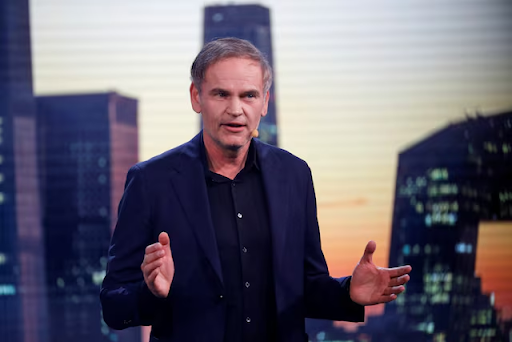
VW CEO: Chinese Automakers Should Be Allowed to Avert Tariffs by Investing in the EU

The global automotive industry is constantly evolving, with various geopolitical and economic shifts reshaping its landscape. In this context, the VW CEO recently made a bold statement that could redefine how international carmakers approach the European market. By suggesting that Chinese automakers should be allowed to avoid tariffs by increasing EU investments, the Volkswagen executive not only highlights the growing influence of China but also the importance of collaboration over conflict.

As tensions rise in global trade, fostering economic cooperation through EU investments may present a win-win strategy for both Europe and China. This piece explores the implications of this proposal, the potential benefits for both regions, and the long-term outlook for the automotive industry.

VW CEO discusses Chinese automakers investing in the EU to avoid tariffs and enhance cooperation

The Rising Influence of Chinese Automakers

In recent years, Chinese automakers have become serious contenders in the global automotive market. Brands like BYD, Geely, and Nio have made significant strides in technological innovation, especially in the realm of electric vehicles (EVs). China’s robust support for EV development, coupled with its vast manufacturing infrastructure, has allowed these companies to challenge established Western automakers.

However, as Chinese manufacturers set their sights on Europe, they face stiff tariffs and regulatory hurdles, which can inflate costs and reduce competitiveness. While this may seem like a protectionist move on the part of the EU, the VW CEO has raised an interesting point: instead of building barriers, why not encourage Chinese automakers to invest directly in the European Union?

By incentivizing EU investments, both regions could benefit from shared expertise, supply chains, and resources. But what are the deeper implications of this proposal?

How EU Investments Could Benefit Chinese Automakers

For Chinese automakers, penetrating the European market is essential for long-term growth. Europe is not only home to a large consumer base but also offers a highly developed infrastructure for EVs, making it an ideal market for Chinese electric vehicles. However, tariffs imposed on non-European manufacturers make it challenging for Chinese companies to offer competitive pricing.

According to the VW CEO, increasing EU investments could allow Chinese companies to bypass these tariffs, thus reducing costs and encouraging greater market competition. For instance, a Chinese automaker could establish manufacturing plants within the EU, thereby creating jobs and supporting local economies. This would allow them to avoid tariffs and adhere more easily to European regulations, while benefiting from lower transportation and logistics costs.

In return, Europe would gain from an influx of investment in its automotive industry, boosting innovation, employment, and technological advancements in the EV sector.

Economic Cooperation Over Protectionism

The VW CEO’s proposal underscores a broader theme of economic cooperation over protectionism. As global trade tensions simmer, particularly between China and the West, finding solutions that benefit both parties is crucial. Rather than escalating trade wars or imposing higher tariffs, fostering an environment that encourages mutual investment could prove to be far more beneficial.

Europe, particularly in the wake of recent economic challenges, stands to gain significantly from increased foreign investment. By allowing Chinese automakers to invest in local manufacturing, Europe can secure much-needed capital and technological advancements, particularly in the green energy and EV sectors. This would not only boost local economies but also ensure Europe remains competitive in the global automotive industry.

Moreover, by allowing Chinese automakers to avoid tariffs, European consumers could enjoy more affordable, innovative vehicles, driving further adoption of electric cars and other sustainable technologies.

What This Means for the EU Auto Industry

The European Union has long been a hub for some of the world’s largest and most prestigious car manufacturers, including Volkswagen, BMW, and Mercedes-Benz. However, the rise of Chinese automakers poses a potential threat to the dominance of these legacy brands. While European automakers have historically held a strong position in the global market, the rapid technological advancements from Chinese manufacturers, particularly in the realm of EVs, are shaking up the status quo.

The VW CEO’s call for increased EU investments from Chinese manufacturers could be seen as an attempt to integrate, rather than resist, this emerging competition. Instead of viewing Chinese companies as adversaries, the European automotive industry could leverage this opportunity for collaboration. By opening doors to Chinese automakers, Europe may secure vital investments, create more competitive pricing in the market, and accelerate the transition toward sustainable mobility.

This kind of economic cooperation could also spur European carmakers to further innovate, ensuring they remain at the forefront of the global automotive industry.

How Avoiding Tariffs Encourages Innovation

One of the key points made by the VW CEO is the idea that avoiding tariffs through increased EU investments could foster greater innovation. As Chinese automakers establish local manufacturing facilities and research centers in Europe, there is immense potential for knowledge sharing and technological advancements.

The automotive industry is at a critical juncture, with the transition to electric and autonomous vehicles set to define the future of mobility. By working together, European and Chinese automakers could pool their expertise, particularly in areas like battery technology, artificial intelligence, and green energy solutions. This would not only benefit the companies involved but also provide significant advantages to consumers, who would have access to more advanced, sustainable vehicles at competitive prices.

Furthermore, increased cooperation could spur advancements in supply chain efficiency, reducing the environmental impact of vehicle production and distribution.

The Challenges of Cross-Border Investment

While the VW CEO’s proposal paints an optimistic picture of economic cooperation, there are still significant challenges to be addressed. Cross-border investments, particularly between Europe and China, are often fraught with regulatory hurdles and political complexities. Issues such as intellectual property rights, labor laws, and environmental standards can complicate the investment process.

Moreover, some European stakeholders may express concerns about allowing foreign automakers, particularly from China, to gain a stronger foothold in the EU market. There is a delicate balance between encouraging foreign investment and protecting local industries from being overshadowed.

Nonetheless, with careful negotiation and the right regulatory framework, these challenges can be mitigated, allowing for a more seamless integration of Chinese automakers into the European market.

A Future of Collaboration

The VW CEO’s suggestion that Chinese automakers should be allowed to avoid tariffs by increasing EU investments presents a forward-thinking approach to global trade. As the world continues to grapple with economic uncertainty and geopolitical tensions, fostering cooperation rather than conflict may be the key to long-term growth and innovation in the automotive industry.

By encouraging Chinese automakers to invest in the EU, both regions stand to benefit from job creation, technological advancements, and more competitive pricing in the market. As the automotive industry shifts toward sustainable mobility, increased collaboration between China and Europe could accelerate this transition, offering consumers better options for green transportation.

UseFull Links
  • Marketing
Load More

End of Content.

UseFull Links
  • Technology
Load More

End of Content.